| | This week, I walked the Heath with Borough ecologist, John Salisbury, and we discussed priorities for nature conservation.
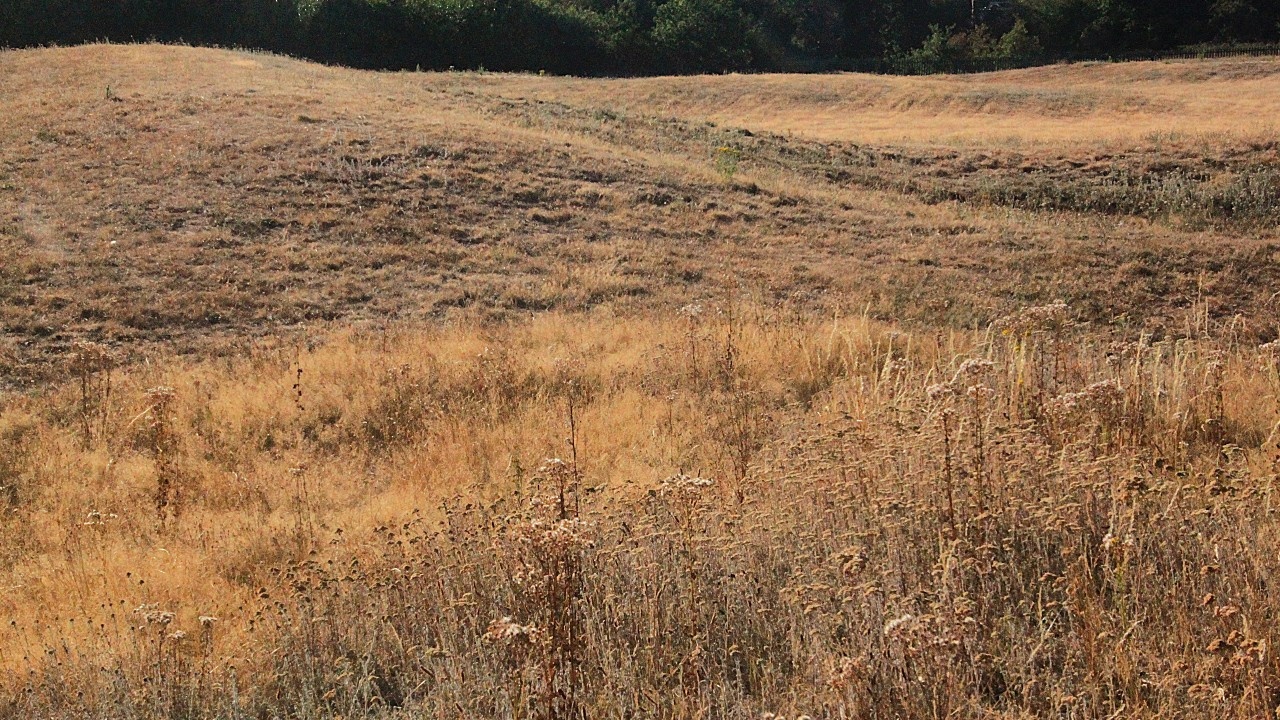
First some background. This area is known for being one of the hottest in the country, with local weather stations at Kew Gardens, Heathrow and Teddington (Bushy Park) all regularly making the daily high temperatures in the UK. We're also located on a layer of very free-draining "river terrace gravels" - left behind by the Thames at the end of the last ice age.
The gravel means most of the nutrients from organic matter (leaves and vegetation) wash straight through - leaving us with shallow, acidic soils. The shallow soils dry out rapidly - but can also waterlog in winter. Too poor for cultivation, the area was formerly used as common grazing (as part of Hounslow Heath), and then drains dug - probably in the 18th century - leaving the soils even more exposed to drought.
|
|
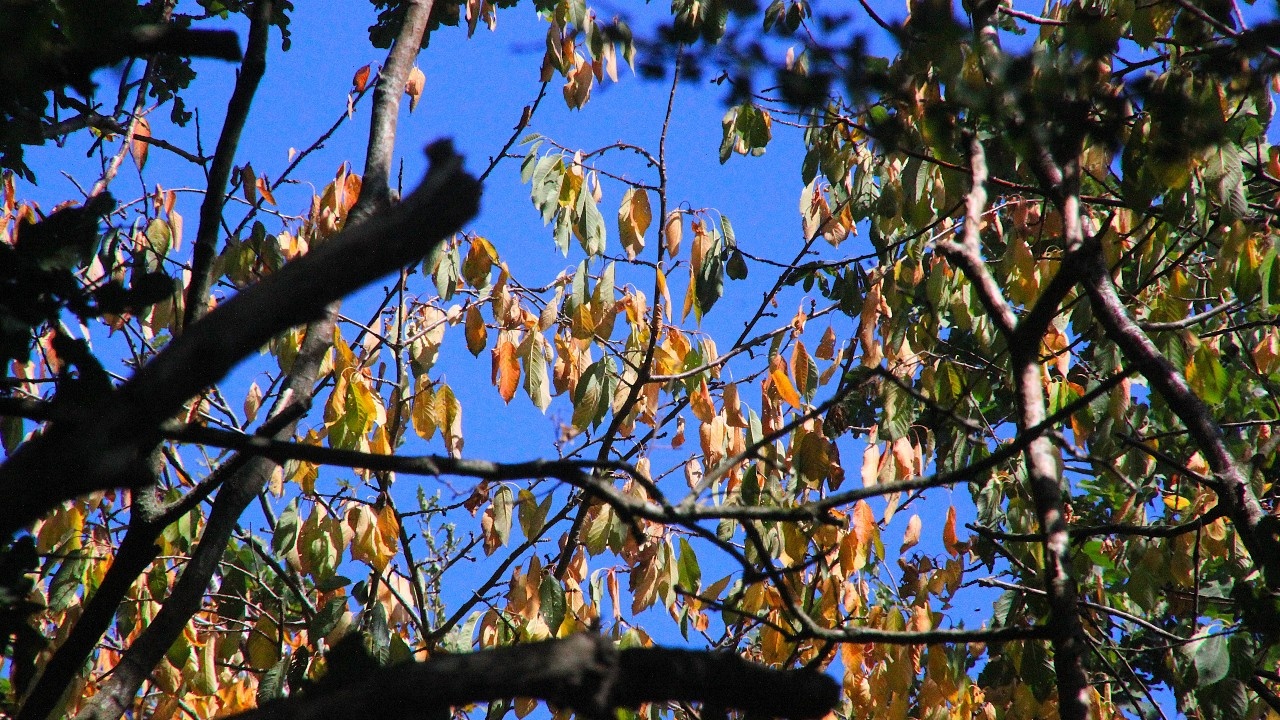
"Early autumn". Trees drop leaves to conserve moisture. |
|
For the last few thousand years, if left unchecked, ultimately the area would revert to oak woodland - and oak is very much our dominant tree, with birch, hazel, elm and more... until now. |
|
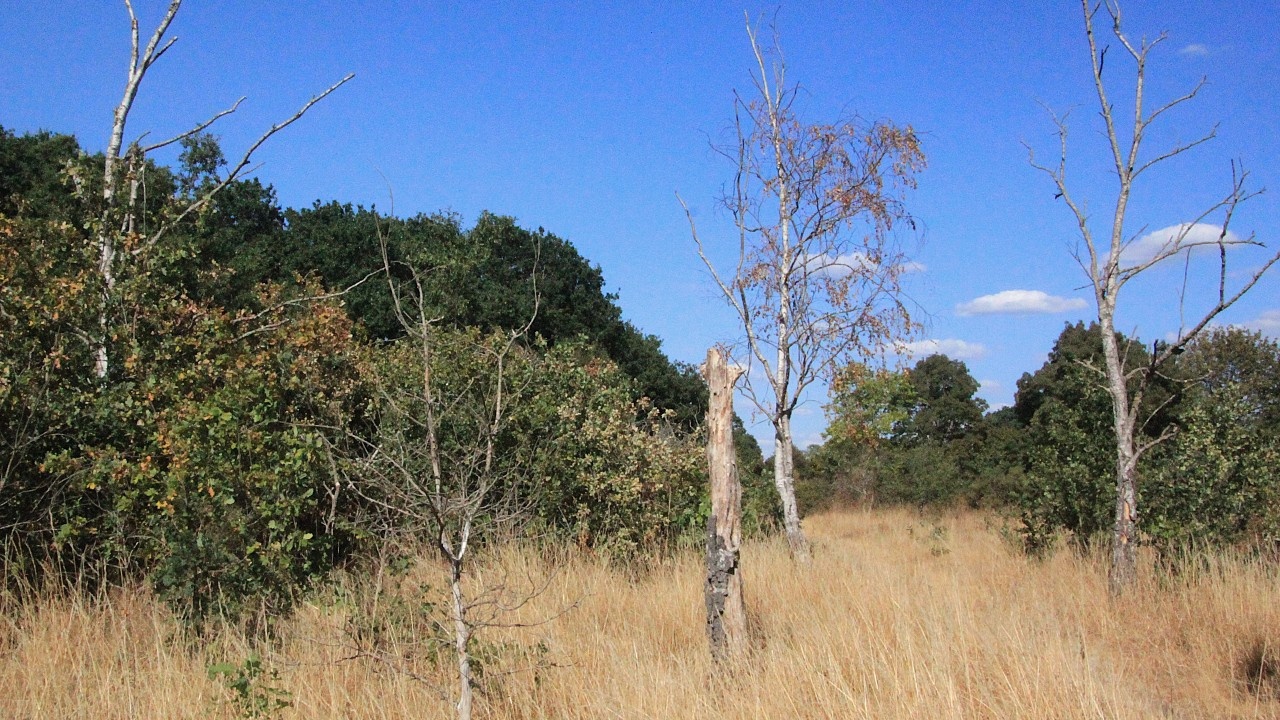
Our mature birch have almost all died between 2022 and 2026. |
|
Since 2020, - in just six years - almost all the birch at Hampton Heath has died. We have just one or two trees clinging on where they are protected from the sun. Most died in the aftermath of the 2022 drought, but this year has claimed almost all the rest. |
|
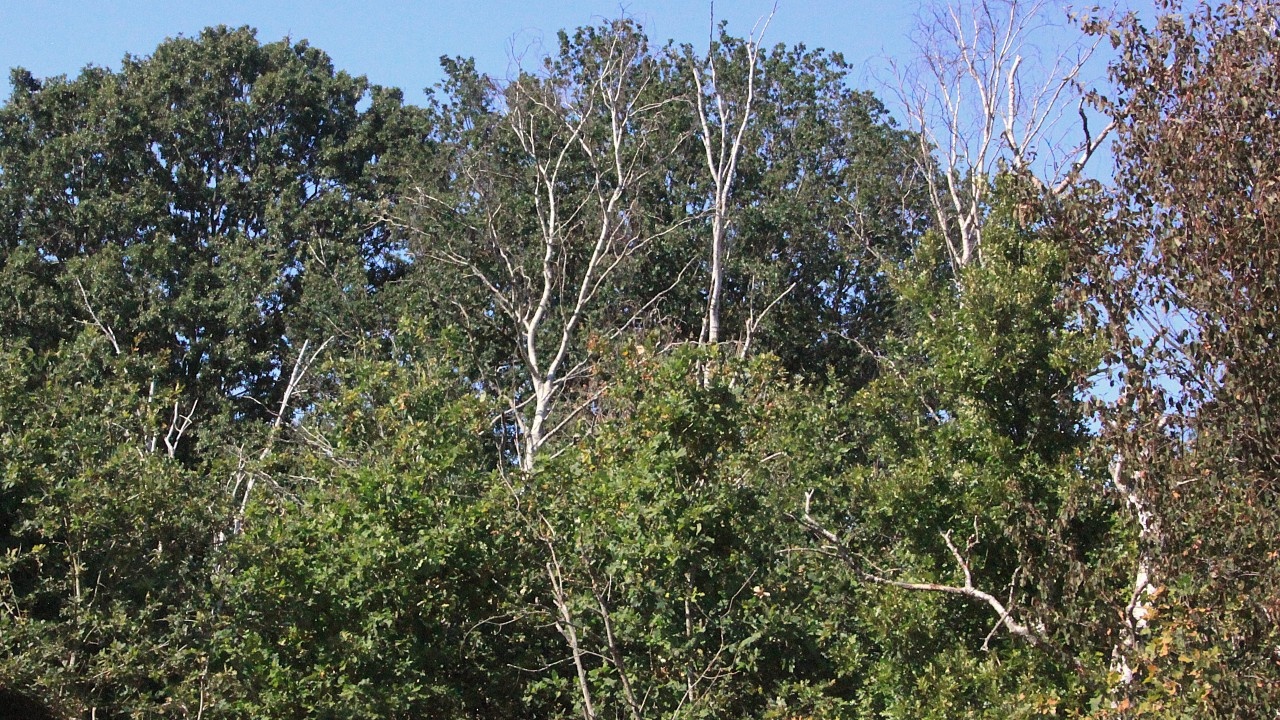
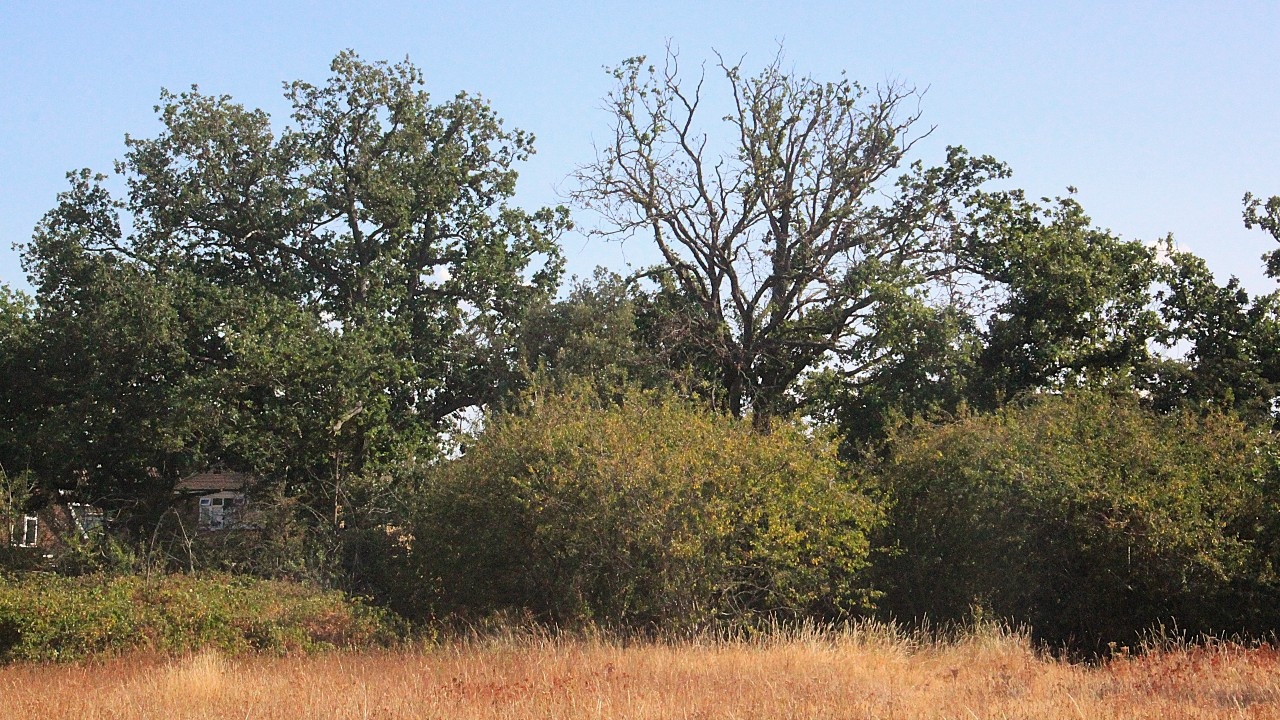
Skeletal remains of birch, near the Burtons Road Gate |
|
Last winter, we included birch in our planting mix as no new seedlings have been emerging. While we still have some survivors (thanks to weekly watering), the long term future of birch in this area is bleak. |
|
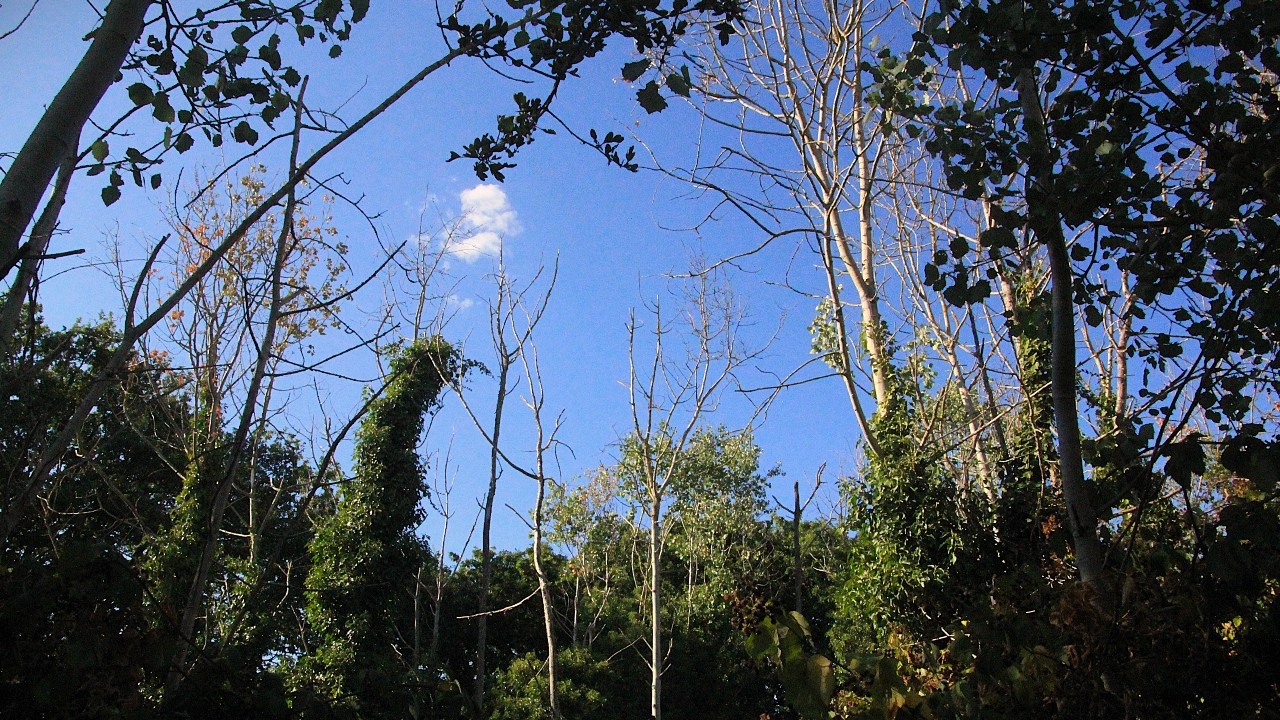
Aspen in rapid decline... the ivy, contrary to popular belief, can be beneficial to trees, keeping them cooler and retaining moisture |
|
Similarly, Aspen are also in rapid decline, with large numbers dying this year after stress from 2022 and honey fungus found on site last year (Honey Fungus is a naturally occurring parasitic fungus in Britain, which targets stressed trees).
|
|
So how are our dominant trees - oak - fairing? Better - we still have vigorous mature and veteran oaks, and many saplings and young trees. But since 2022, these have been in sharp decline. We have lost a number of veteran oak trees (more than 100 years old, and with valuable features for wildlife - such as deadwood, holes etc... and all features of a normal mature oak tree). Parts of Burtons Road are suffering badly, but along Uxbridge Road, we have rapidly lost veteran trees. |
|
One of two veteran oaks felled last winter |
|
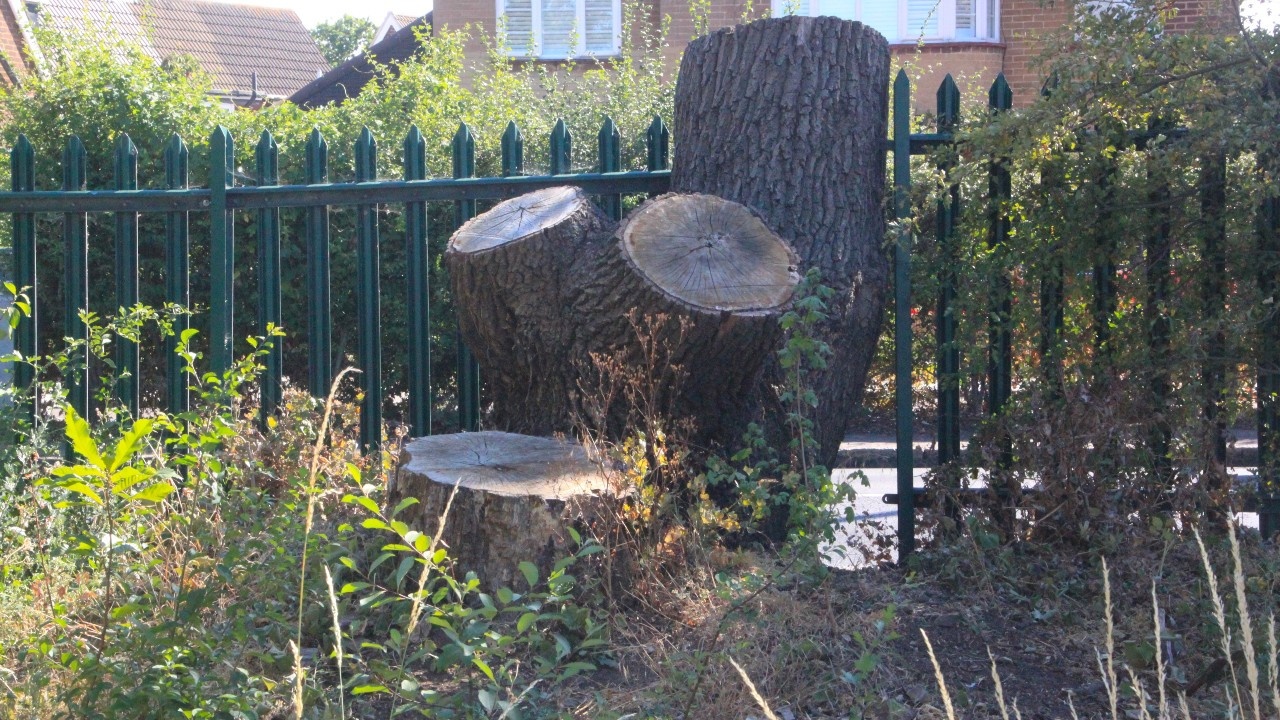
The tree stump (above) is a tree which was felled last autumn, after going into rapid decline after the 40°C summer 2022. Only 5 years ago it was in good health - with kestrels nesting in it. |
|
Other veteran oaks along Uxbridge Road are trading the same path |
|
Another of the oaks in trouble along Uxbridge Road (pictured above), is in a similar decline, and looks unlikely to be alive in two years.
So what can be done... We're already working on it, taking advice from others in Richmond Biodiversity Partnership, including researchers from Kew Gardens, Royal Parks, Parks and nature sites across the Borough, and other expertise:
We're adding diversity to our species mix. Essentially, throwing lots of options onto the site, to see what works in the new climate. We planted a total of 19 species last winter. Some will thrive - others won't.
We'll survey which species are naturally regenerating successfully to assess how the site conditions are impacting succession, and use this information to inform future planting and management. We can't fight the changing climate, we must adapt.
We'll monitor the smaller flora - the perennials and annual wildflowers, and look to build diversity there too, for the benefit of invertebrates and everything which depends on them. As an example, I was out collecting late summer wildflower seed from nearby sites to boost our own populations of drought resistant species like wild carrot, weld, mallow, and sheep sorrel.
And we'll work on mitigation for existing species (fauna and fungi and plants)... creating new features to retain moisture where we can.
Some non-native trees are thriving - such as the Cherry Plum, from the Balkans and SE Europe to western Asia. This is a new source of flowers for pollenating insects, and fruit for birds and insects. Others, like Holm Oak, are less welcome, as they create mildly toxic, very dry conditions in which other plants cannot thrive.
It's a rapidly evolving, fast-moving picture, so expect more change... not just at Hampton Heath, but in the Royal Parks and across London, the Southeast, and the UK.
|
|
|
| |
| |
|