Welcome to the new-look Hampton Heath Friends newsletter.
| | "The Wolves of Hampton Heath" |
|
|
| |
| |
|
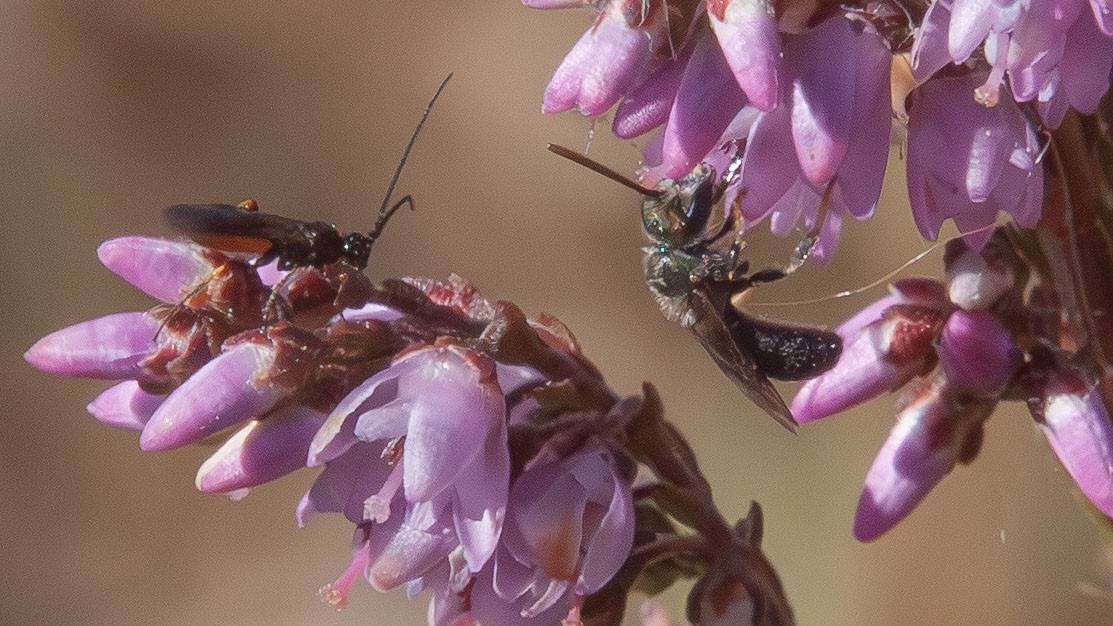
| | Heather flowers have been a lifeline through the drought |
|
Hello Hampton Heath Friends! |
|
Welcome to the new-look Hampton Heath newsletter. As always, you'll find our latest news and actions, some current local nature news, plenty of photos of the amazing wildlife we have on our doorstep at every time of the year, and more... but hopefully in a format which is more engaging, and a little quicker to produce.
As a part of this process, we'll also be revisiting the website, and publishing our management plans for different aspects of the site.
This week we'll take a look at the voracious Beewolves of Hampton Heath - find out why they love the hot weather.
|
|
|
| |
| |
|
| | With no rain, we're still spending a lot of volunteer time on "survival watering" for last winter's planting. Barrowing water is a great work-out - and during the summer holiday season, we need all the hands we can get. |
|
Litter-picking continues as always. The first litter haul of August included no less than 61 single-use plastic gloves blown in from Sainsburys' forecourt.
It would also be great if ALL dog owners could pick after their pets (but definitely not to then lob the bag in the brambles!)... we'll never understand that one. |
|
|
| |
| |
|
| | Ready to engage with our local wildlife? |
|
Why not join our fabulous community of volunteers on a Saturday morning? We'll give training for any equipment, and you'll get a free hot/cold drink courtesy of our friends at David Lloyd afterwards.
It's good for Duke of Edinburgh Awards, and general well-being. There's no commitments, no obligations... just turn up on the day. The details are below, and you can reply to this email with any questions. |
|
If you do ONE thing THIS WEEK... |
|
Put out water in your garden fresh each day - rinse and repeat daily. You'll be helping keep birds, bees, butterflies, hedgehogs, and so much more alive through this drought.
|
|
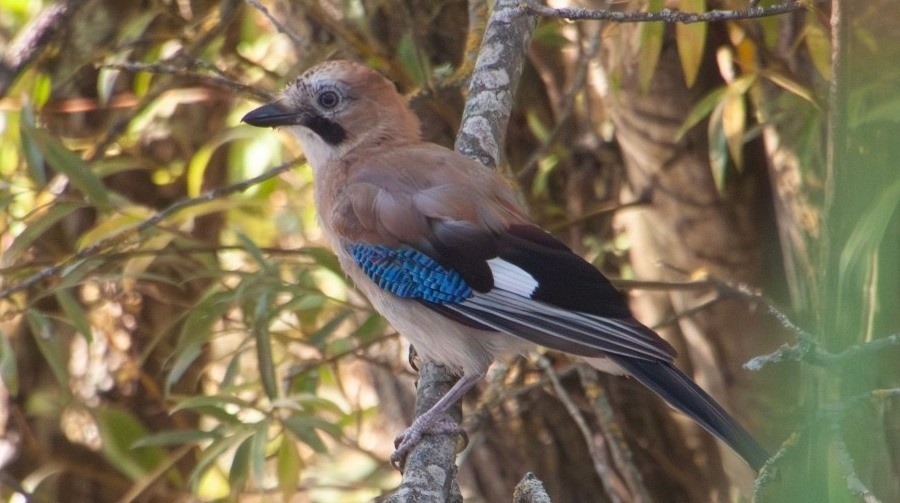
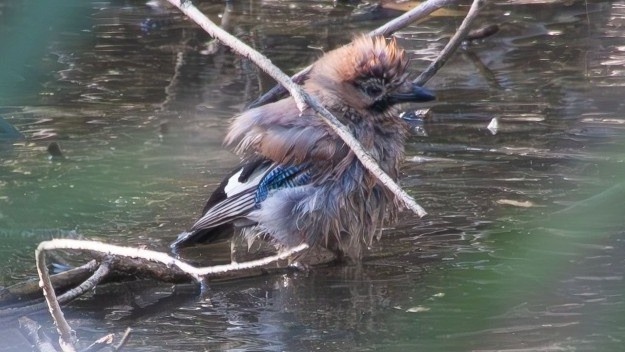
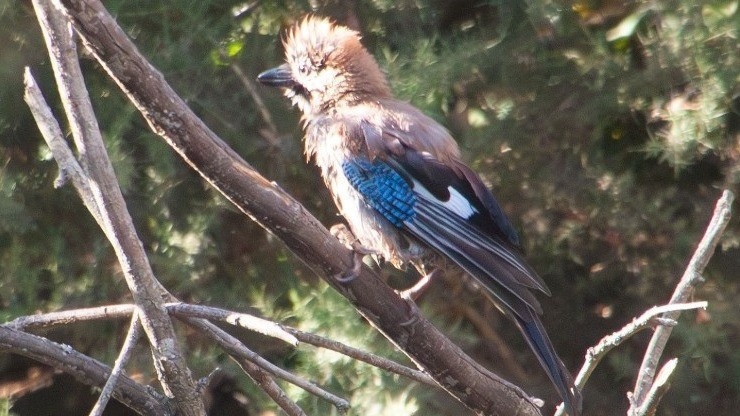
If you're a Jay and you're too hot... |
|
|
| |
| |
|
| | The Beewolf, Bee and the fungus |
|
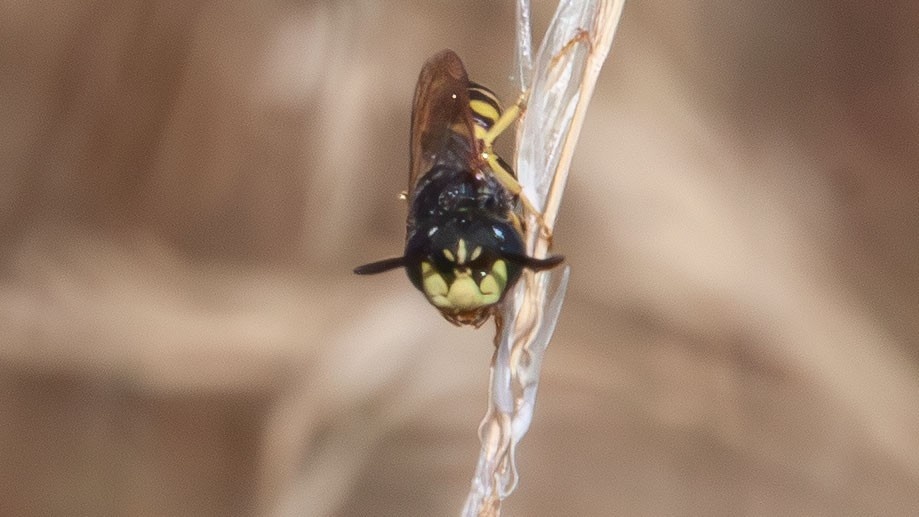
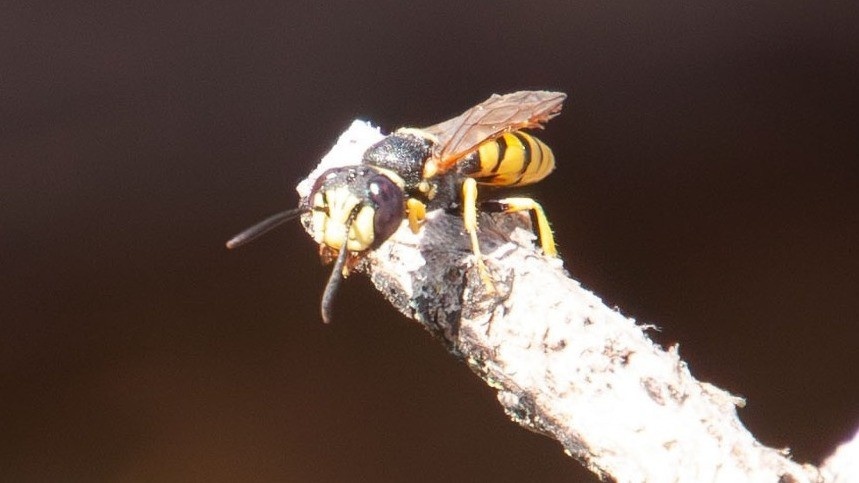
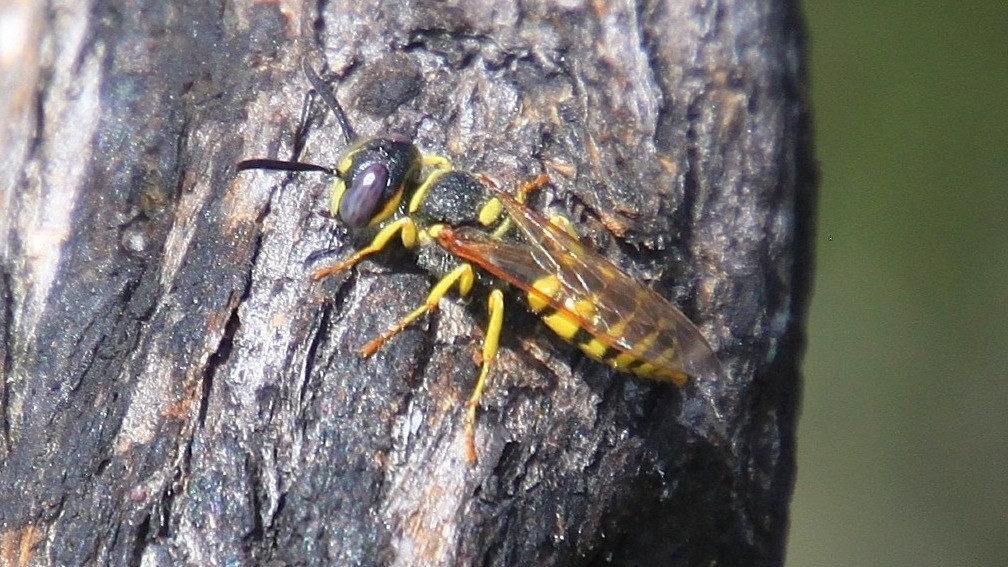
The Beewolf is one of Hampton Heath's top predators - with a fearsome appearance (complete with a trident motif on their face). But it's only a little larger than a honeybee, despite the predator status, adults feed on nectar and pollen... it's the kids that have the more carnivorous appetite. |
|
Beewolves nest in the ground - in deep tunnels of up to a meter long - and its there that they lay their eggs. They then must hunt down bees, paralysing them with a sting. They then fly the immobilised, live bee to their tunnel to feed the larvae. It takes up to five bees to feed a larva to the stage it can build an underground cocoon and pupate to emerge as an adult the following year. |
|
Bee Wolf: Classic hunting pose |
|
But beewolves have a deadly enemy - a fungus which infects the larvae or the paralysed bees in the humid conditions in the nest. To combat the fungus they have three extraordinary strategies:
Firstly they coat the larva in a special anti-condensation, water-proofing agent produced from a gland on their head.
Secondly, they actively cultivate (farm) a fungicidal bacteria, which prevents the fungal spores from developing.
Thirdly the Beewolf eggs produce concentrated nitric acid which the fungus struggles to tolerate. |
|
Bee Wolf: Lying in wait for passing bees |
|
Until about 25 years ago, Beewolves were only found in the far south of England - on the coast, in sandy areas, where the wind would keep humidity down. With climate change, they are now found as far north as Yorkshire and are set to be "unlisted" from the UK Threatened Species lists - a rare ecological adaption success story, fuelled by our rapidly changing climate.
|
|
|
| |
| |
|
| | Get Involved! Volunteer Action |
|
Every Saturday 10:00-12:00 |
|
Where: David Lloyd, Hampton Entrance Foyer [Map]
Who: Everyone! All ages, all abilities. If you are under 18 or have special needs you will need to be accompanied by a responsible adult or carer.
What to bring: We'll provide: |
|
|
| |
| |
|
| | Watering - trying to keep last winter's planting alive through the drought. Litter-picking - as always Path management and strimming - subject to numbers
|
|
|
| |
| |
|
| | I hope you've enjoyed the new-look newsletter. If you have ideas for the newsletter, or an issues you'd like to see addressed on the Heath, please do let us know.
Our new email address is:
[email protected]
But don't worry, we'll keep the old address active too. |
|
|
| |
| |
|
| | All the content in this newsletter is created by our local community of volunteers. All photos are from the Heath (unless we state otherwise) - so all you see is hyper-local nature.
If you know anyone who may be interested in the Hampton Heath project or local nature, please feel free to forward this newsletter - and of course, if you no longer wish to hear from us, just click the "unsubscribe link" at the bottom. |
|
Most weeks we make new observations of the wildlife we see at Hampton Heath, using the INaturalist / Seek Apps. These, and similar records an invaluable source of information widely used by national nature conservation organisations - such as the Wildlife Trusts, Butterfly Conservation, British Trust for Ornithology, Plantlife, Buglife - and many others.
All our records and the associated photos are free and easy to view online. Just click the numbers: |
|
|
| |
| |
|
| | Find us on Bluesky Social Media Copyright © 2026 Hampton Heath Friends |
|
|
| |
| |
|

|