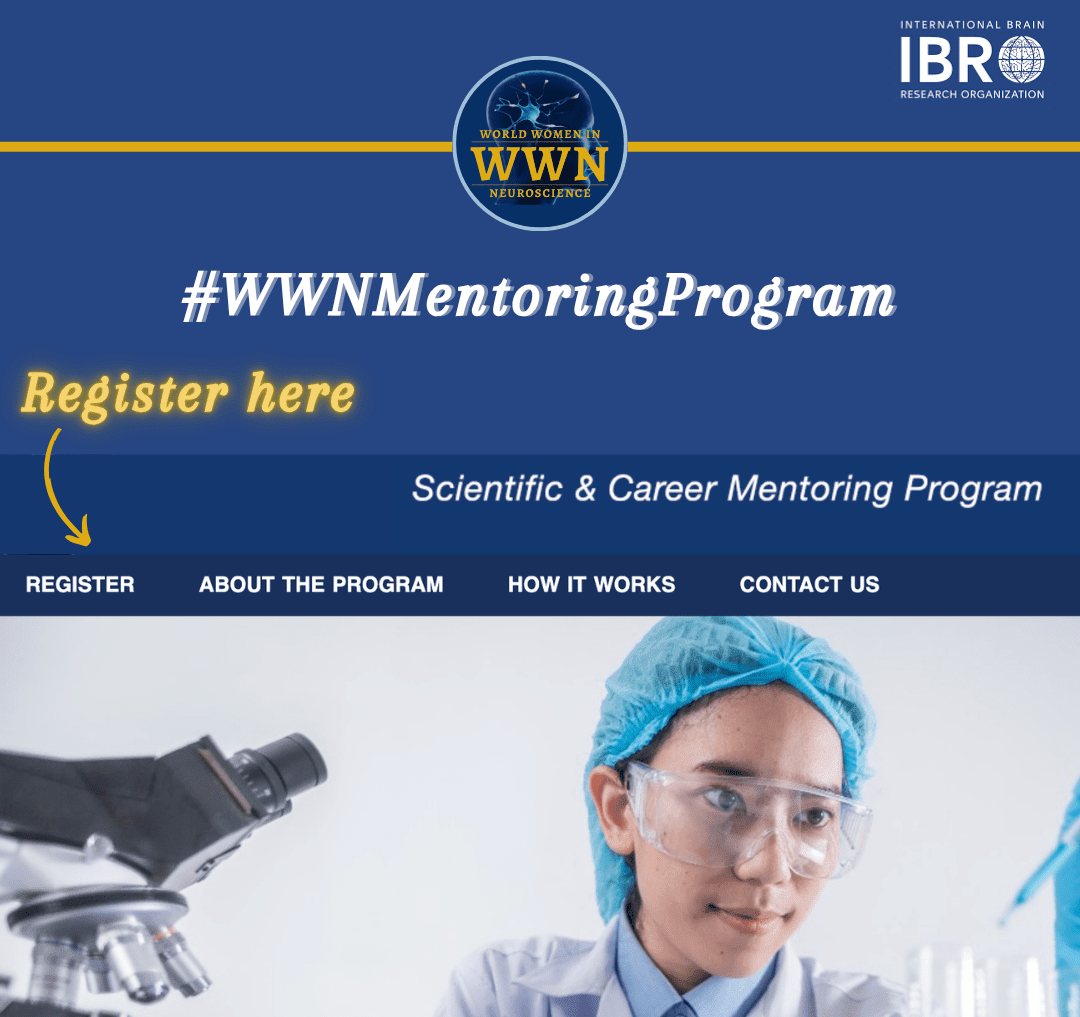
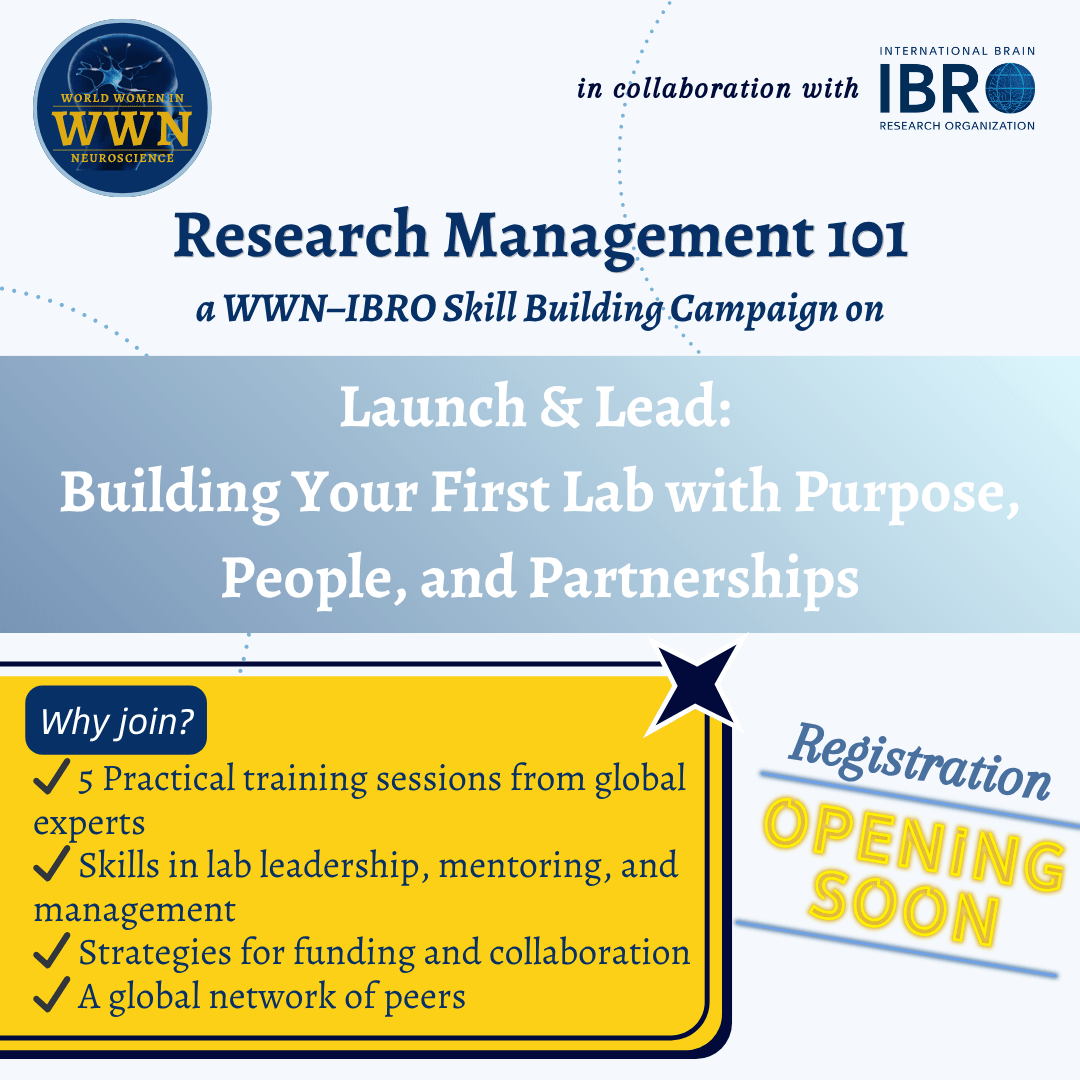
| | WWN–IBRO Skill Building Campaign Introducing the WWN–IBRO Skill Building Program 2026: Research Management 101
To bridge this gap, #WorldWomenNeuro, in collaboration with International Brain Research Organization (IBRO), is launching a Skill Building Program called “Research Management 101” designed to support you in building and leading your first research lab. |
|
ACNP 2026 Travel Award Opportunity The American College of Neuropsychopharmacology (ACNP) is currently accepting application submissions for the 2026 Travel Award program. Please see the 2026 Travel Award Program flyer for distribution. More information about the Travel Award Program can be found on our website here. ACNP annually selects distinguished early career scientists in the field of neuropsychopharmacology to be part of our travel award program. These travel awards offer an opportunity to attend an outstanding scientific program in clinical and basic research on brain-behavior-drug interactions, become aware of the most recent, and often unpublished, advances in psychopharmacology, and meet and interact with internationally distinguished researchers and scientists. Any scientist worldwide is eligible to apply for a travel award. All candidates must be eligible in one of the two applicant levels and meet terminal training limits. Application Deadline: May 14, 2026 |
|
WWN Global Connectome 2026 The WWN Global Connectome was a new initiative launched in 2025 that fosters a worldwide network of women scientists dedicated to promoting their research on a local and global stage. Inspired by the concept of a connectome—a map of neural connections—the program serves as a metaphorical bridge, linking women across borders to share knowledge, mentorship, and leadership opportunities. Through its recognition of impactful projects it celebrates innovation while promoting diversity and collaboration in neuroscience.
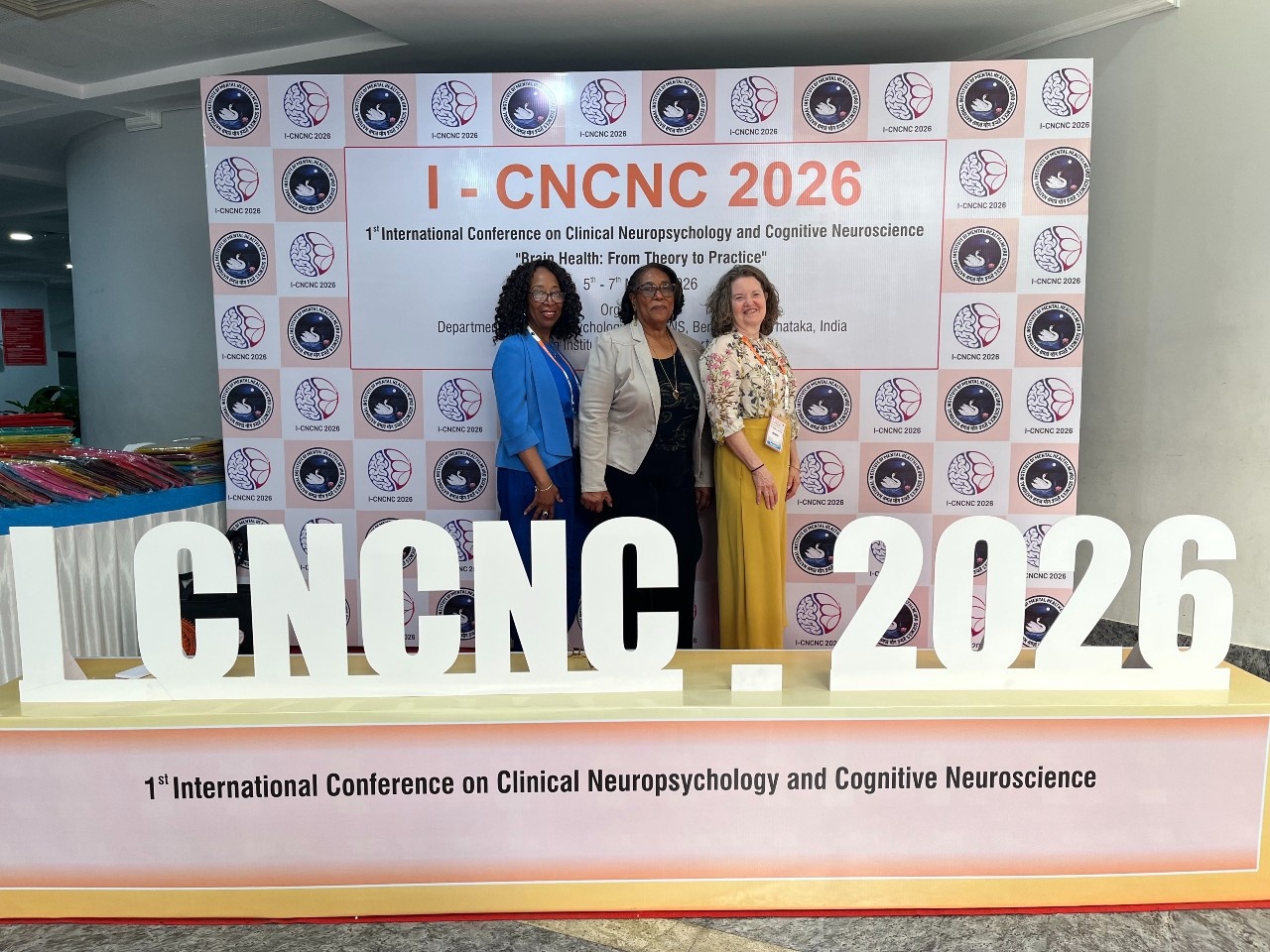
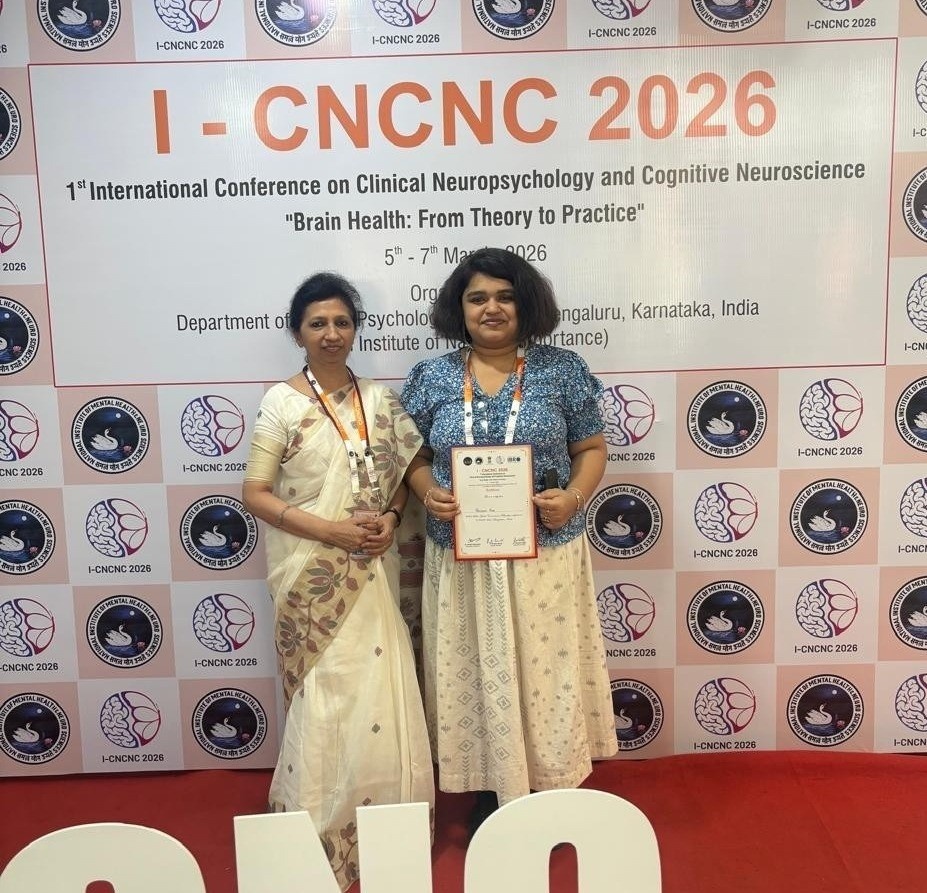
In 2026, we have already celebrated six WWN-supported Global Connectome events, including: Work–Life Integration and Leadership Development for Women in Cognitive Neuroscience, Bengaluru, India (4, 6 March), hosted by Dr. Shantala Hegde The New Mexico Brain Bee Outreach Initiative, University of New Mexico (UNM) School of Medicine, USA (7 March), hosted by Dr. Elif Tunc-Ozcan Brain in Action – From Endogenous to Induced Brain Plasticity, University of Coimbra, Portugal (26 March), hosted by Drs. Catarina Miranda and Sara Xapelli NeuroFuture: Conversations on Women Advancing Neuroscience Worldwide, International Brain Initiative (IBI), Canada (30 March), hosted by Drs. Judy Illes and Tony Hannan Voices in Network: Women and Neuroscience in Latin America. From diagnosis to action, towards a more inclusive scientific community, Universidad de San Andrés, Argentina (22 April), hosted by Dr. Florencia Altschuler Empowering Women through Capacity Building Mentorship, and Ubuntu Philosophy in Neuroscience, University of Rwanda, Rwanda (22-23 April), hosted by Dr. Owoisinke Victor Archibong
To read more about the recent WWN Global Connectome Events, click below. |
|
WWN Webinar Series 2026 Partnership & Collaboration | 25 February, 9.00 am EST In honour of our first newsletter for 2026 and setting the scene for the new year, WWN restarted its WWN Webinar Series with a webinar focused on “Partnership & Collaboration”. We explored the importance of strong networks, shared expertise, and diverse perspectives during an interactive panel discussion. With panelists representing some of the most prominent WWN collaborating organizations, including IBRO, PASBAN, and NIMHANS, we delved into how collective action can drive innovation, strengthen impact, and open new pathways for discovery across neuroscience and beyond.
Rewiring Education: Where Neuroscience Meets Generative AI | 31 March, 9.00 am EST We continued our WWN Webinar Series with a webinar focused on “Rewiring Education: Where Neuroscience Meets Generative AI”, presented by Prof. Siti Nurma Hanim Hadie. Prof. Hadie (Universiti Sains Malaysia, Malaysia) explored how AI can be integrated responsibly to enhance deep understanding, critical thinking, and expertise in the AI era. Despite major advances in brain science and the rise of generative AI, many learners remain cognitively overloaded and disengaged. As brain science advances and generative AI reshapes learning, how do we prevent cognitive overload and protect meaningful human development in education? Rewatch the webinar on our YouTube channel. |
|
*These are the views of the individual authors, and do not necessarily reflect WWN’s views. |
|
|
| |
| |
|