͏‌ ͏‌ ͏‌ ͏‌ ͏‌ ͏‌ ͏‌ ͏‌ ͏‌ ͏‌ ͏‌ ͏‌ ͏‌ ͏‌ ͏‌ ͏‌ ͏‌ ͏‌ ͏‌ ͏‌ ͏‌ ͏‌ ͏‌ ͏‌ ͏‌ ͏‌ ͏‌ ͏‌ ͏‌ ͏‌ ͏‌ ͏‌ ͏‌ ͏‌ ͏‌ ͏‌ ͏‌ ͏‌ ͏‌ ͏‌ ͏‌ ͏‌ ͏‌ ͏‌ ͏‌ ͏‌ ͏‌ ͏‌ ͏‌ ͏‌ ͏‌ ͏‌ ͏‌ ͏‌ ͏‌ ͏‌ ͏‌ ͏‌ ͏‌ ͏‌ ͏‌ ͏‌ ͏‌ ͏‌ ͏‌ ͏‌ ͏‌ ͏‌ ͏‌ ͏‌ ͏‌ ͏‌ ͏‌ ͏‌ ͏‌ ͏‌ 
Is this email not displaying correctly? View it in your browser.
Image description

Winter Newsletter 2026

Rediscovering an Endangered Cuckoo Bee in Elk Island National Park

New Blog Post by Ilan Domnich

and Lisa Neame (Photos by Lisa Neame)


In the summer of 2025, targeted species-at-risk monitoring by the Alberta Native Bee Council in Elk Island National Park led to an exciting rediscovery: one of the world’s rarest bees! The endangered Macropis cuckoo bee (right) was last recorded in Alberta more than a decade ago, and documented from just 12 individual bees ever found across all of Canada!


This remarkable rediscovery highlights the power of habitat-informed monitoring and the importance of paying attention to species that are easily overlooked.

Image description
Image description

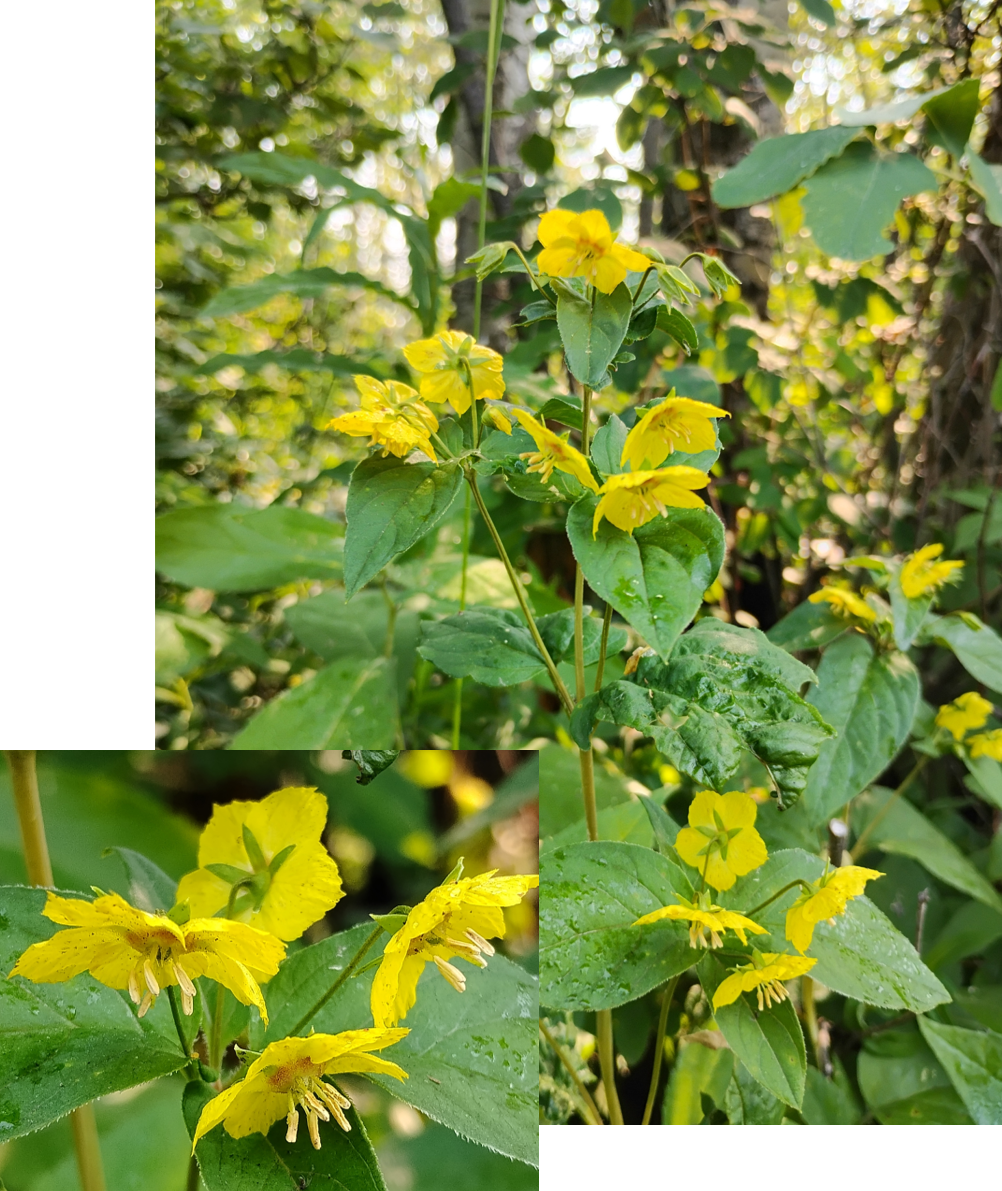
The Macropis cuckoo bee depends on a finely tuned ecological partnership involving a native oil-producing wildflower (Lysimachia ciliata, left) and a highly specialized host bee (Macropis nuda). Because of this, its presence acts like a subtle “ecosystem check engine light,” signaling healthy, intact habitats.


It highlights the role intact landscapes and collaborative conservation efforts play in sustaining even the most fragile and inconspicuous forms of biodiversity.


Check out the blog post to read all about this exciting discovery, its implications, and future plans to learn more about this rare species!

Check out the blog post

What Is a Cuckoo Bee?

Image description

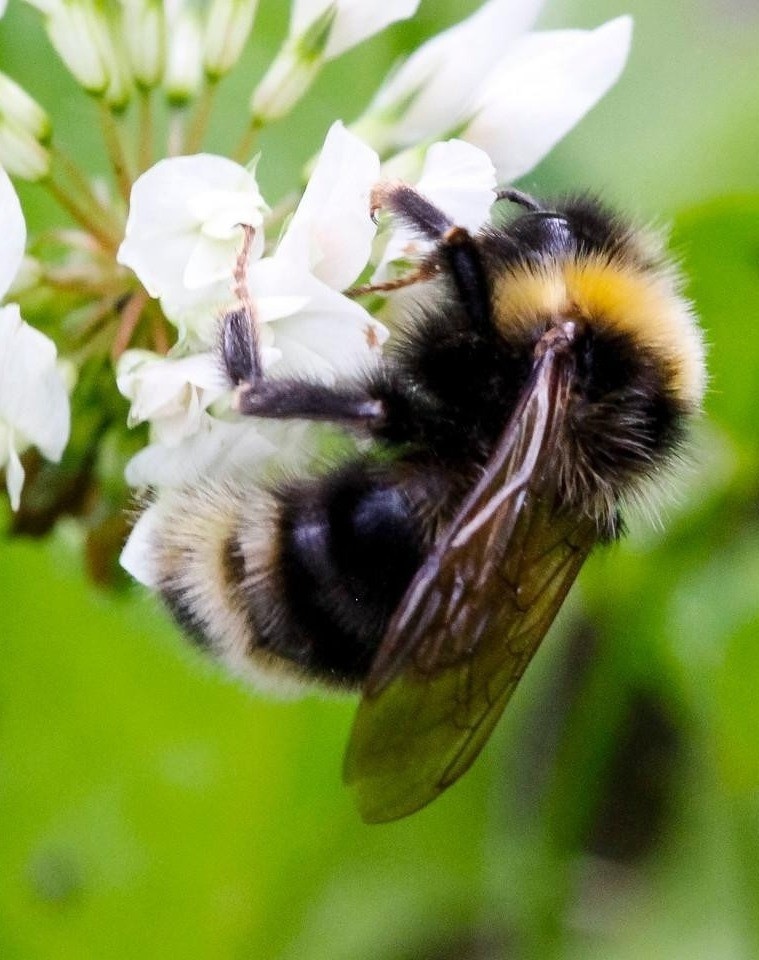
Cuckoo bees are sometimes considered the sneaky freeloaders of the bee world. Instead of building their own nests, they lay their eggs in the nests of other bees and let the host do the hard work. Some bumble bees, like the Bombus bohemicus pictured here, are cuckoos (often called “social parasites”) that invade bumble bee colonies, kill the host queen, take over the nest, and rely entirely on the host workers to raise their young.


Other cuckoo bees target solitary bees, like the Macropis cuckoo bee. Cuckoo bees that target solitary bees have larvae that either hatch earlier or even consume the host larva and the food that its mother provided. Because cuckoo bees depend so closely on their hosts, their presence is often a sign of a healthy, intact ecosystem.


(Photo by Dave Prescott)

Tracking Insect Abundance with a Continental Research Network

In the summer of 2025, the Alberta Native Bee Council participated in the North American Insect Abundance Network, a large, collaborative research effort monitoring long-term trends in insect populations across Canada and the United States. This project uses standardized sampling to detect gradual changes in insect abundance over time, helping scientists understand where insect numbers may be declining, stable, or even increasing.


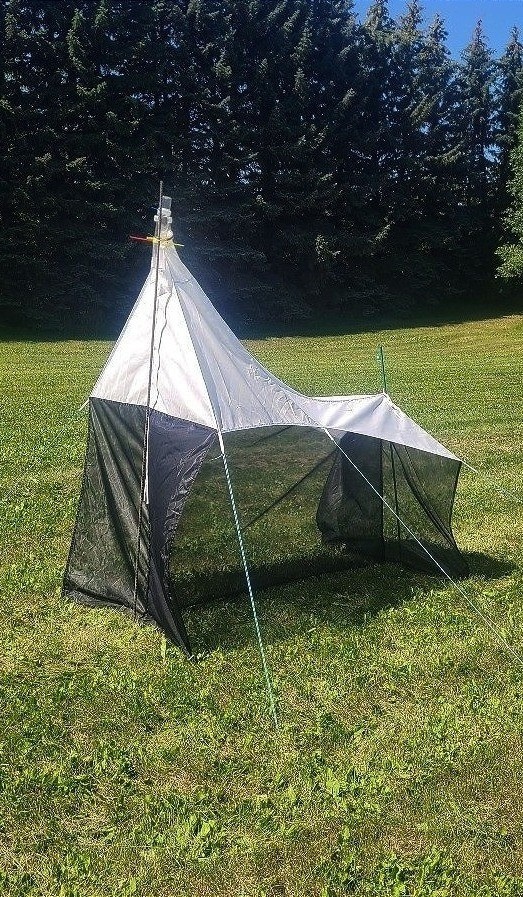
As part of this initiative, we set up a Malaise trap in the Edmonton area for three separate 3-day sampling periods over the summer, with the setup pictured here. Malaise traps function like a passive flight intercept: insects flying through the area hit the mesh and naturally move upward into a collection bottle, allowing us to sample a wide range of flying insects with minimal disturbance. After collection, we sorted insects by order and weighed each group to estimate relative abundance.


By contributing local data to a continent-wide network of over 200 sampling sites, this work helps build a clearer picture of how insect populations are changing over time.

Image description

Bee Box Workshops Are Back!

Image description

Our bumble bee box workshops are back this coming season! The Alberta Native Bee Council is excited to once again offer our Bumble Bee Box Building Workshops, a hands-on, fun, and meaningful way to support native pollinators while contributing to real scientific research.


What’s it all about?

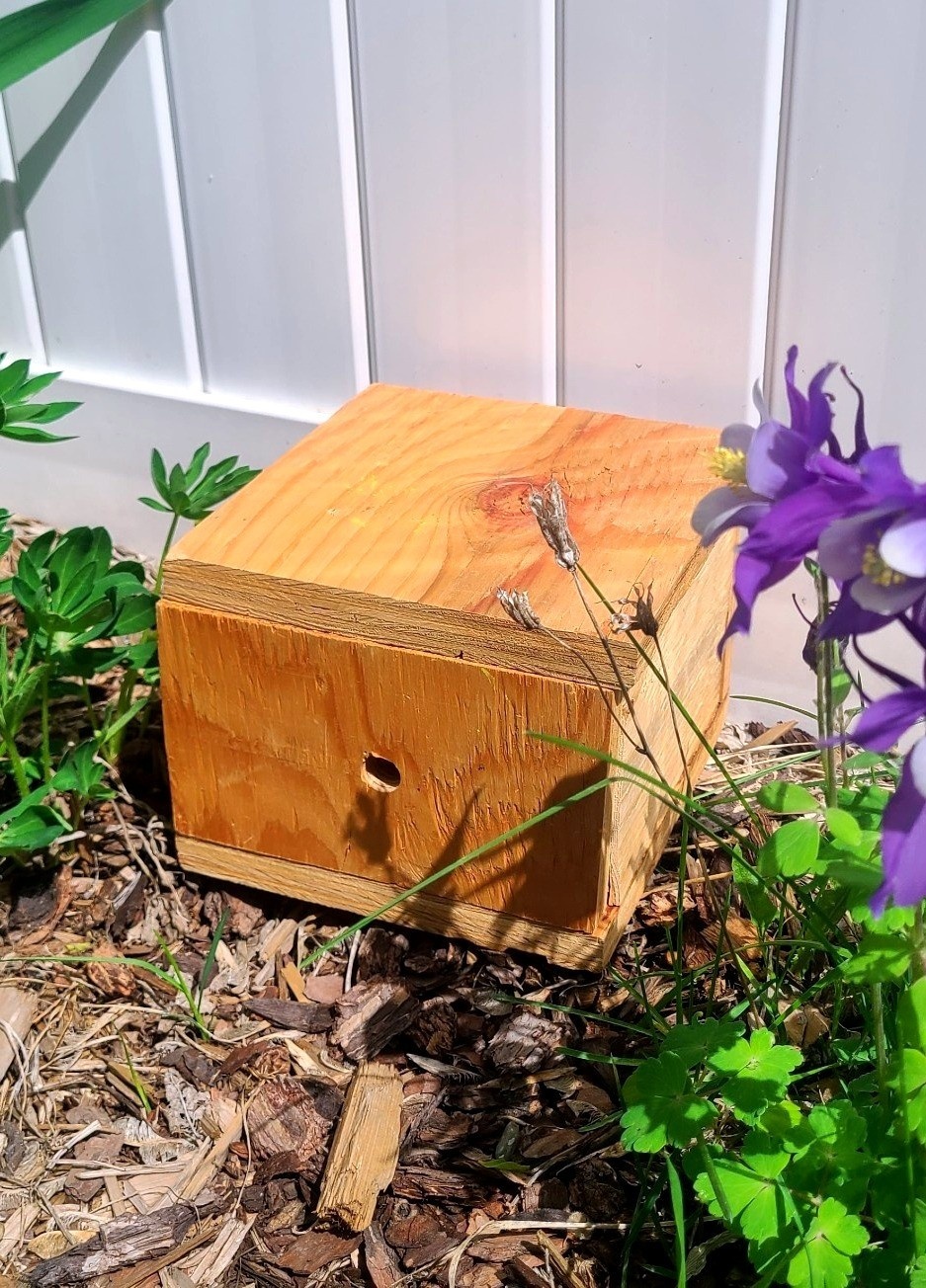
Bumble bees are some of Alberta’s most recognizable native bees, but there’s still a lot we don’t know about their nesting habits and populations. In this workshop, participants build bumble bee nesting boxes to take home and install on their property. These boxes don’t just provide habitat, they also double as citizen science monitoring stations. Participants are encouraged to report back on our website annually on whether their box is occupied, helping researchers better understand bumble bee nesting preferences and population trends.

What you can expect

  • 2.5–3 hour workshop

  • Includes a 45-minute presentation on bumble bees, their ecological role, and why citizen science matters

  • Hands-on guide through building of 30 bumble bee nesting boxes

    • We provide all the supplies and tools, but participants should bring their own power drills (we have a limited number available).

  • Take-home handouts on proper box placement and maintenance, as well as bee guides

Perfect for…

  • Community groups & environmental organizations

  • Schools & post-secondary institutions

  • Municipalities

  • Workplace team-building events looking for something fun, collaborative, and impactful

Hosting cost & logistics

  • $2,250 per workshop, plus mileage 

  • Mileage is calculated at the Government of Alberta rate ($0.55/km)

  • Staff are based in Edmonton and Calgary, so mileage can be estimated from either location

  • Workshops are booked on a first-come, first-served basis

Interested in hosting a workshop?

We’d love to hear from you! For booking details or to learn more about this workshop (or other presentations and outreach opportunities we offer), contact us at:

[email protected]


Interested in attending a workshop?

Keep an eye out in our newsletter and social media for upcoming workshops, or contact [email protected] to ask about booked workshops in your region.

New Merch Just Dropped!

We’re excited to share that we’ve added brand-new merch to our online store, perfect for bee lovers of all ages! Show your pollinator pride with our “I ❤️ AB Bees” bumper sticker, or brighten up your kitchen with our Bombus (bumble bee) dishwasher-safe vinyl stickers, durable, fun, and unmistakably bee-utiful.


We’re also thrilled to now offer two fantastic books in our shop:


The Bees in Your Backyard
This is our go-to guide for anyone curious about North American native bees. It’s approachable, informative, and packed with bee biology, easy identification tips, and insights into the incredible diversity of native bees you might find right outside your door.


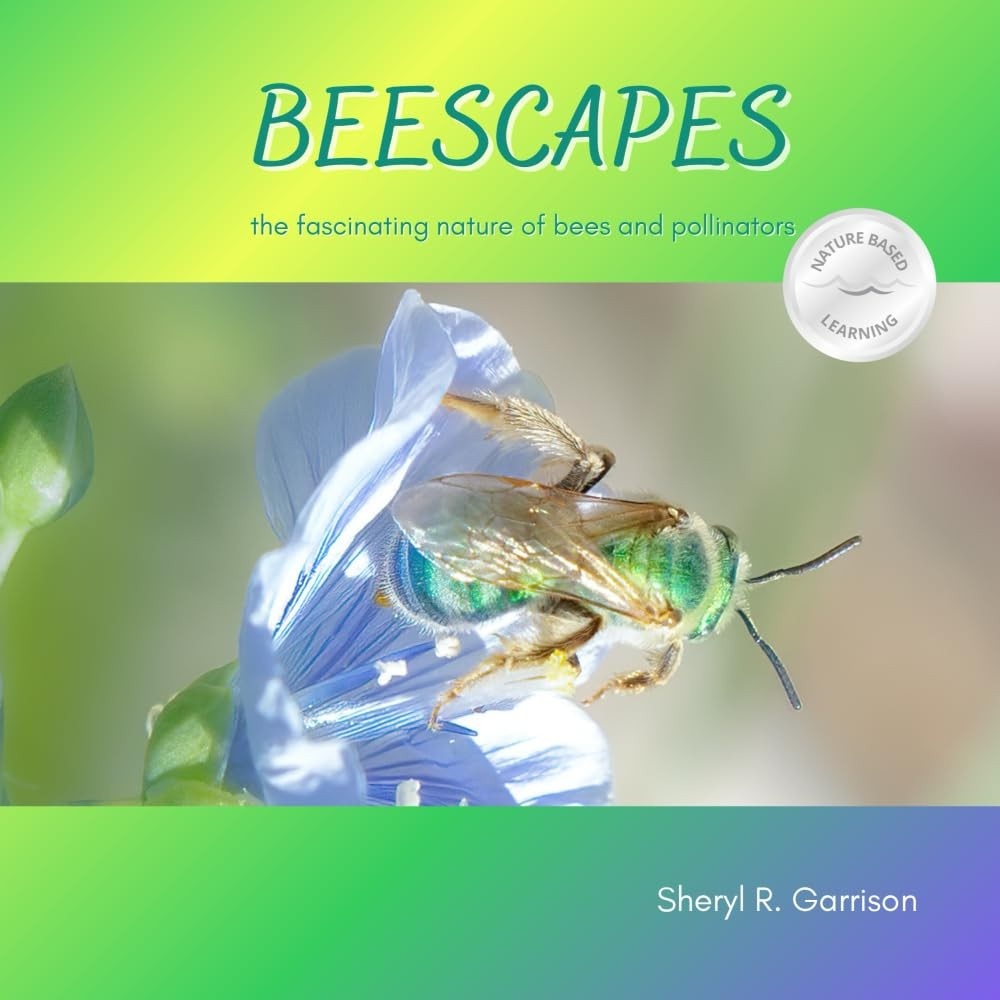
BEESCAPES: The Fascinating Nature of Bees and Pollinators by Sheryl Garrison
Written and photographed by local author and photographer Sheryl Garrison, this beautifully illustrated kids’ book explains how pollination works, why it matters, how bees differ from other insects, and even clears up some common myths. With stunning photographs, fun facts, colorful diagrams, and an activity page, it’s an engaging way to inspire the next generation of pollinator stewards.
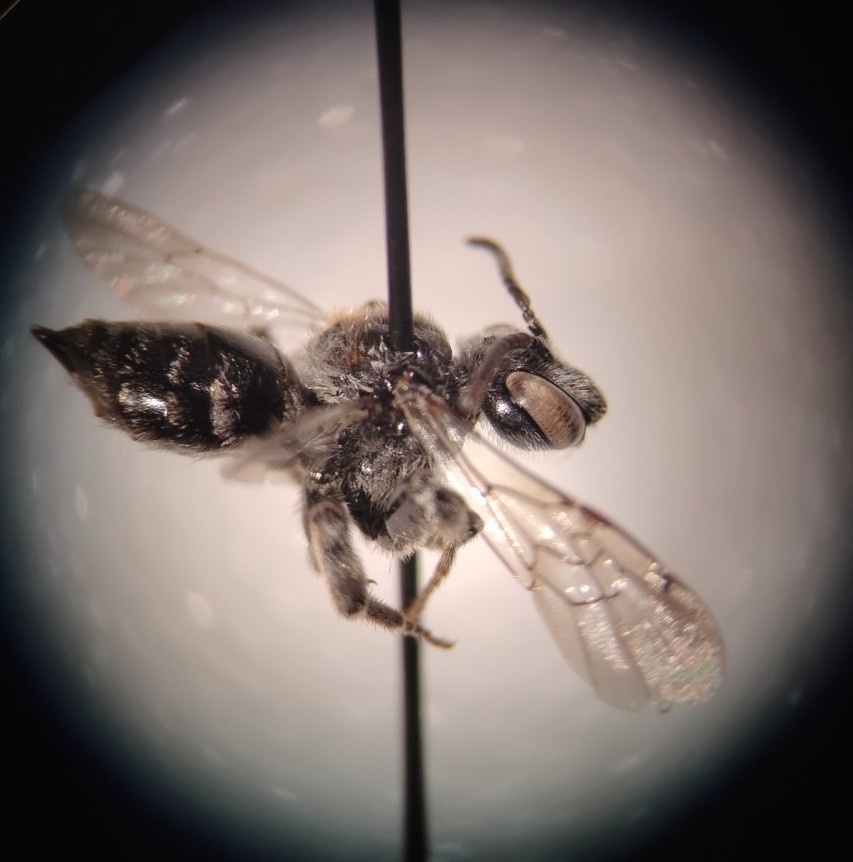
Image description
Image description
Image description

Upcoming Events

Come join ANBC at the following events this upcoming season!


Thank you to our funders!

It's thanks to our generous funders that the Alberta Native Bee Council is able to continue our work including our ambitious province-wide bee monitoring program, critical conservation research, and the heaps of outreach and education we do to support native bee conservation.

Image description
If you would like to unsubscribe, please click here.