͏‌ ͏‌ ͏‌ ͏‌ ͏‌ ͏‌ ͏‌ ͏‌ ͏‌ ͏‌ ͏‌ ͏‌ ͏‌ ͏‌ ͏‌ ͏‌ ͏‌ ͏‌ ͏‌ ͏‌ ͏‌ ͏‌ ͏‌ ͏‌ ͏‌ ͏‌ ͏‌ ͏‌ ͏‌ ͏‌ ͏‌ ͏‌ ͏‌ ͏‌ ͏‌ ͏‌ ͏‌ ͏‌ ͏‌ ͏‌ ͏‌ ͏‌ ͏‌ ͏‌ ͏‌ ͏‌ ͏‌ ͏‌ ͏‌ ͏‌ ͏‌ ͏‌ ͏‌ ͏‌ ͏‌ ͏‌ ͏‌ ͏‌ ͏‌ ͏‌ ͏‌ ͏‌ ͏‌ ͏‌ ͏‌ ͏‌ ͏‌ ͏‌ ͏‌ ͏‌ ͏‌ ͏‌ ͏‌ ͏‌ ͏‌ ͏‌ 
Is this email not displaying correctly? View it in your browser.
Image description

February 2026

Image description

Dear {{ firstname }} ,


I recently re-watched an old Sebastian Maniscalco comedy bit on road rage on YouTube. 


After I stopped laughing, I realized how that mirrors hiring.


What do I mean?


Many organizations rely on gut feel and end up making poor decisions when hiring because they don't do a deep dive into a candidate’s temperament.


They interview someone who looks great on paper but end up with a "road rage" employee.


What I mean by that is that people are on their best behaviour when interviewing, so it's tough to know who the real person is.


Kind of like road rage. 


We've all seen drivers instantly change from mild mannered to a raving lunatic.


Imagine hiring a "road rage" candidate.  Someone who you think is amazing, but turns out to be a problem. 


So how do you find out what the person is really like?

Psychometric assessments.

They provide clear information about behaviour and motivators, helping you make better hiring decisions.


That's why I use them in my recruiting process.  

What's the lesson?

Baby, you can drive my car, but integrate assessments into your hiring process for better outcomes.

In this issue:

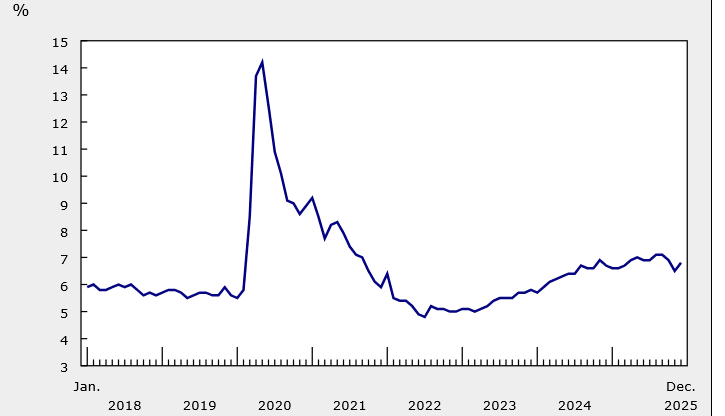
  • Canada job market: Jobless rate rose to 6.8%

  • Remote work isn't the problem ... sloppy work is

  • How long should you wait to follow up after applying?

  • No Bull content recos: what to watch, listen to, and read


 Business Briefs

Job Market Check: Canada’s Unemployment Hits 6.8%

Statistics Canada reported that Canada’s unemployment rate rose slightly to 6.8% in December, even as overall employment stayed nearly flat.


Why? More people are looking for work, pushing the jobless numbers higher.


Full-time jobs grew by 50,000, but part-time roles dropped by 42,000.


Wages continue to climb. The average hourly pay hit $37.06, up 3.4% from last year.


Youth are feeling the pinch: unemployment for ages 15 - 24 jumped to 13.3%, and student joblessness hit its worst level since 2009.


Sector-wise, health care and social assistance added jobs, while professional services and hospitality saw declines. Ontario’s unemployment rate climbed to 7.9%, while Quebec gained jobs and Alberta lost ground.


What does this mean for you?
If you’re job hunting, expect more competition, especially for entry-level roles. Upskilling and networking matter more than ever. For those employed, rising wages are good news, but keep an eye on economic trends as hiring slows in some sectors.

Image description

Remote Work Isn’t the Problem.  Sloppy Management Is.

In Part 2 of this National Post series by Howard Levitt, he writes that Canadian courts are siding with employees in remote-work disputes, and the reason isn’t remote work. 


It’s poor management.


Employers often make costly mistakes: failing to document performance, using vague or inconsistent policies, relying on questionable surveillance tools, and making promises they can’t keep. These missteps turn simple policy changes into legal battles.


The fix? Clarity and consistency. Written agreements should state that remote work is conditional and subject to change. Monitoring tools must be transparent and defensible.


Managers need training on remote supervision, coaching, and documentation. And never promise permanent flexibility unless you mean it. Courts treat those statements as binding.


Bottom line? Remote work doesn’t strip employers of control. It penalizes those who fail to exercise it properly.


Click this link to read the article.

 Career Corner

How long should you wait to follow up after applying?

You’ve applied, now what?


One of the most common questions job seekers ask is: “How long should I wait before following up if I haven’t heard back?”.  Let's review.


How Long Should You Wait?


A good rule of thumb is 7–10 business days after submitting your application. This window gives the employer time to review applications without making you seem impatient. If the job posting includes a closing date, start counting from that date instead.


Why It’s Important


Following up shows initiative and genuine interest in the role. It shows professionalism and keeps your name visible in a crowded applicant pool. However, reaching out too soon can feel pushy, while waiting too long might make you fade into the background.


Pro Tips for Following Up

  • Keep it short and polite: A simple email expressing continued interest and asking about next steps works best.

  • Reference the role: Mention the job title and date you applied to make it easy for them to find your application.

  • Add value: If possible, include a brief note about a recent accomplishment or relevant insight that reinforces your fit.

  • Know when to move on: If you’ve followed up twice without a response, it’s time to focus on other opportunities.

Bottom line? Thoughtful follow-up can set you apart—but timing and tone are everything.

Image description

 No Bull Content Picks

Image description

Watch 📺:

Bill Burr - Drop Dead Years

Who doesn't love great stand-up? 


Drop Dead Years is Bill Burr's latest 1 hour stand up special and it is hilarious.


Available on Disney+.


No Bull and #Boss recommended!

Image description

Watch 📺: Sebastian Maniscalco - It Ain't Right

Another great stand up special by one of the biggest names in comedy.


Available on Disney+


No Bull and #Boss recommended!

Listen 🎧:

The History of Coca Cola

Perhaps the most well-known brand in the world is Coca-Cola.


The company has become a global powerhouse in the soft drink market through its original cola formula and visual branding.


Its products can be found in every country in the world except three, and it is one of the most consistently profitable companies on Earth.


Learn about the history of Coca-Cola in episode 1990 of Everything Everywhere Daily.  Links to listen on Spotify and Apple are below.

Image description
Image description

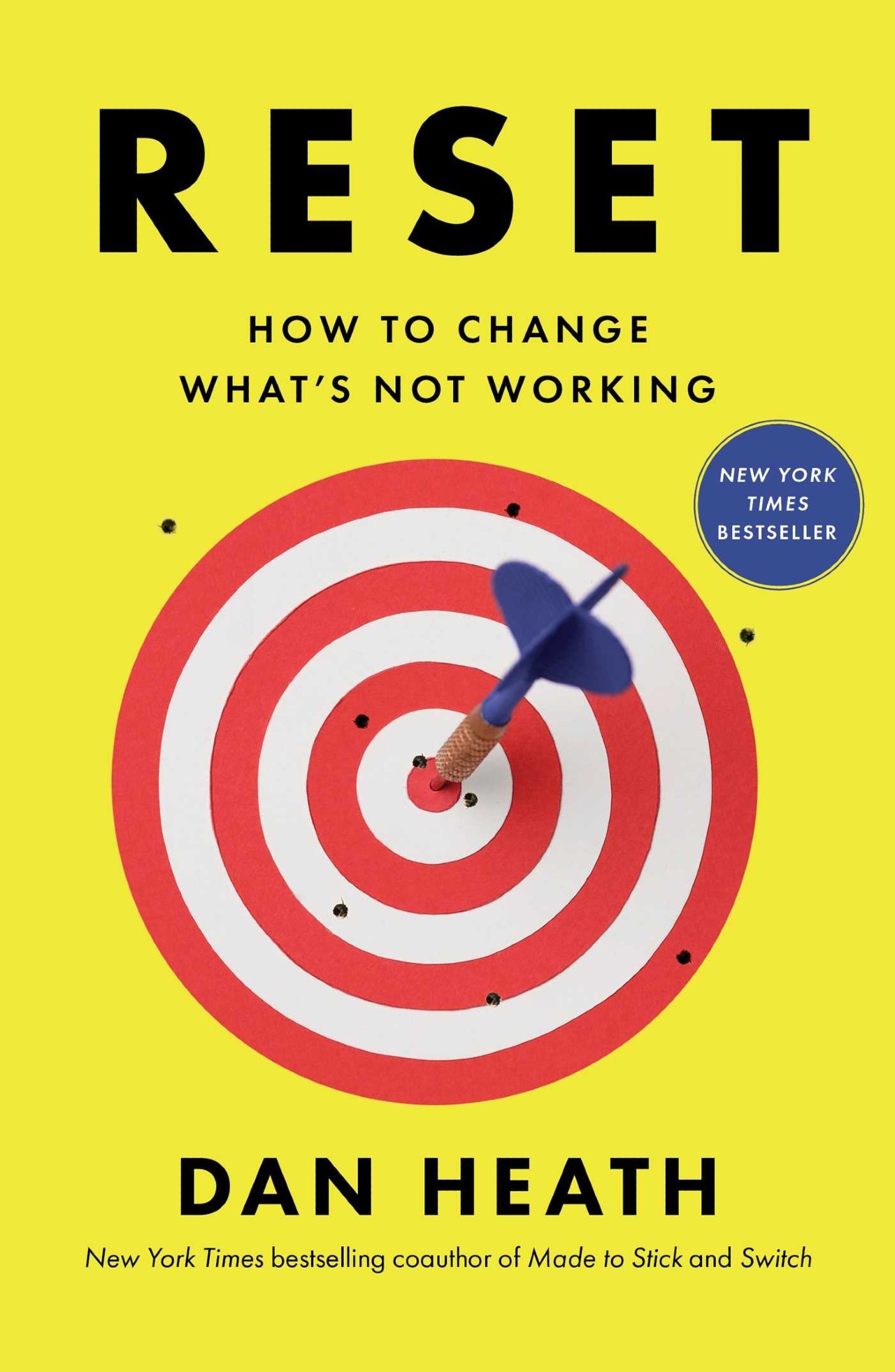
Read 📕: Reset by Dan Heath

Reset: How to Change What's Not Working by Dan Heath is a New York Times bestseller about fixing stuck systems, organizations, and lives by finding "leverage points" - places where small effort yields big results and rearranging existing resources to create significant change, using examples from fast-food to therapy to a campaign saving cats.


The book offers a framework for getting unstuck by identifying inefficiencies, challenging assumptions, and using practical strategies, often leveraging video and firsthand observation, to achieve dramatic


I enjoyed it.  I think you might like it too.

 Can I help?

Struggling to hire?

We specialize in accounting / finance, sales and marketing recruiting.  We make recruiting easy by managing the process from start to finish, for an affordable flat fee.


We also offer extended HR support such as organizational strategy, health & safety, and policy development through our trusted professional network.


Need to chat?  Let's schedule a free consultation.

Schedule a free consultation

Know someone job searching?

Candidates can upload their resume directly to my candidate database.

Upload resume

Many people might be rusty and need job search or interview guidance.  There is a strategy to landing interviews, controlling the interview, and managing how to be positioned as the top candidate.   I can help.  Let's book time to discuss.

Book a career service

If you need executive coaching, I have an amazing network and happy to refer you.  Please reach out to me at [email protected].  

 Can you help?


Did you enjoy this newsletter?  Consider sharing with others.


Have feedback or ideas?  Send me a note: [email protected]


Know anyone needing recruiting help?  Referrals are appreciated.


Thanks for reading.

Visit my website
Noble Search Group Inc.
If you would like to unsubscribe, please click here.