Read the Latest News from KJ6ER Antennas
͏ ͏ ͏ ͏ ͏ ͏ ͏ ͏ ͏ ͏ ͏ ͏ ͏ ͏ ͏ ͏ ͏ ͏ ͏ ͏ ͏ ͏ ͏ ͏ ͏ ͏ ͏ ͏ ͏ ͏ ͏ ͏ ͏ ͏ ͏ ͏ ͏ ͏ ͏ ͏ ͏ ͏ ͏ ͏ ͏ ͏ ͏ ͏ ͏ ͏ ͏ ͏ ͏ ͏ ͏ ͏ ͏ ͏ ͏ ͏ ͏ ͏ ͏ ͏ ͏ ͏ ͏ ͏ ͏ ͏ ͏ ͏ ͏ ͏ ͏ ͏
| Introducing the New KJ6ER PERformer NVIS Quarterwave Antenna (Near Vertical Incidence Skywave)
|
|
|
| |
|
|
| Dear Fellow Portable Antenna Geeks 😀
|
|
|
| |
|
|
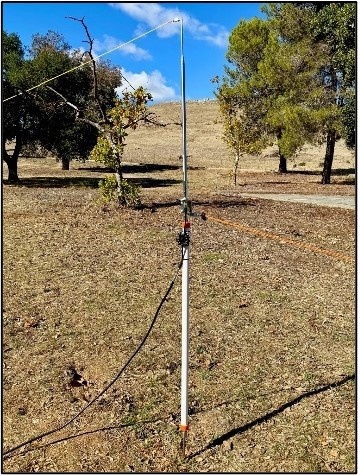
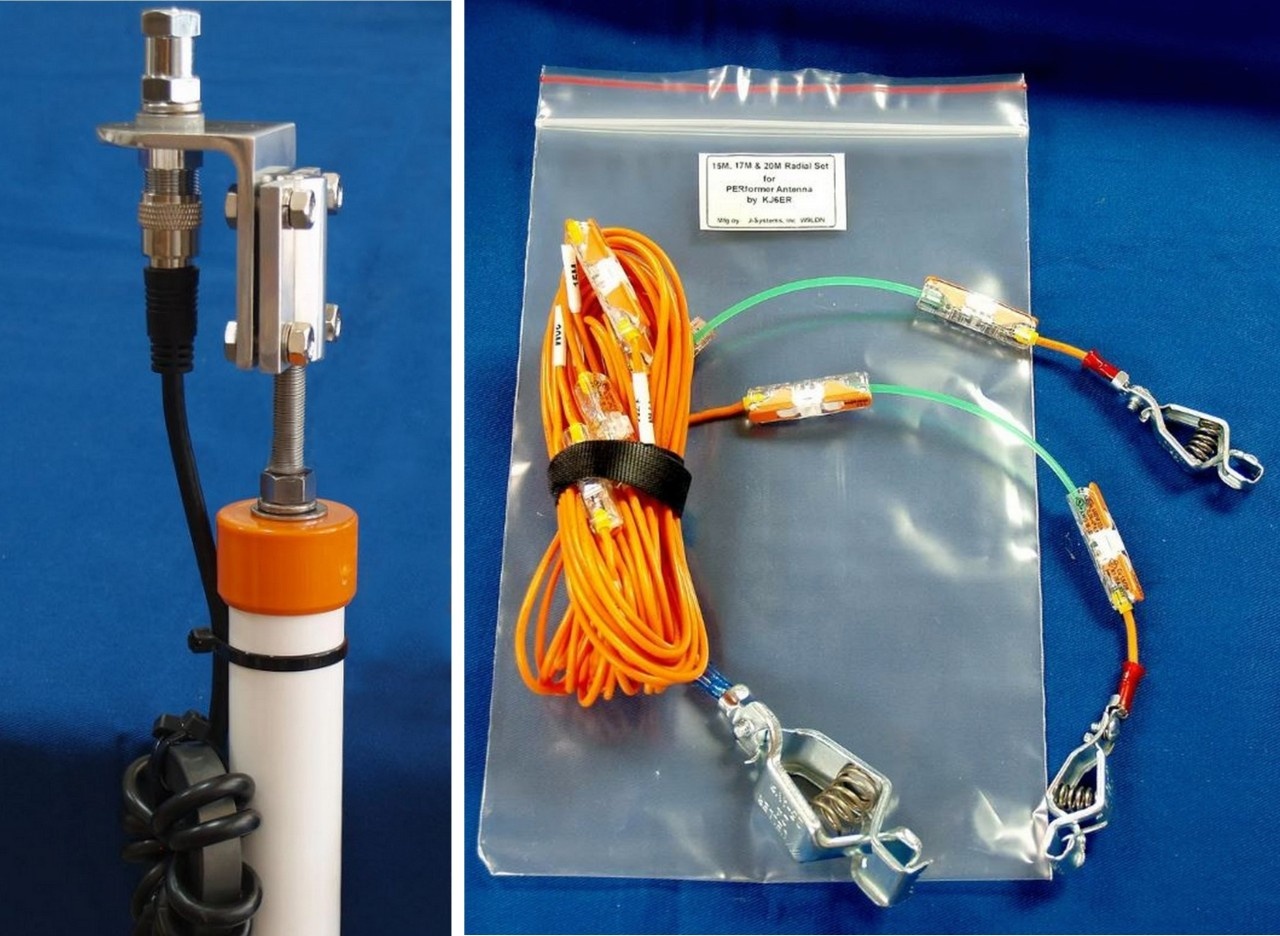
| In this month's newsletter, I am excited to announce the new PERformer NVIS Quarterwave Antenna which is an adaptation of the original PERformer antenna for high angle radiation on the 40M-6M bands. In fact, if you have already built or bought a PERformer, you have 90% of the antenna already completed! All you need to do is to construct or purchase a new elevated linked wire radiator! The PERformer NVIS antenna is designed for portable short-to-midrange HF comms, official emergency HF comms and prepper HF comms. The antenna can be utilized for traditional low band NVIS at frequencies below 10 MHz, higher angle radiation for the upper bands above 10 MHz, and at all frequencies for radiating out of a valley or urban center over surrounding mountains or buildings without issues of multipath reflections and fading. If you do not have the time or ability to build a PERformer, you can purchase a high quality PVC mount version already assembled with bundled or a la carte options for 20M-6M elevated radial sets, a new 40M elevated radial set and an extra long 16" stainless steel spike. More than 80 products have already been sold during the first four months and have received all 5-star reviews from buyers! |
|
|
| |
|
|
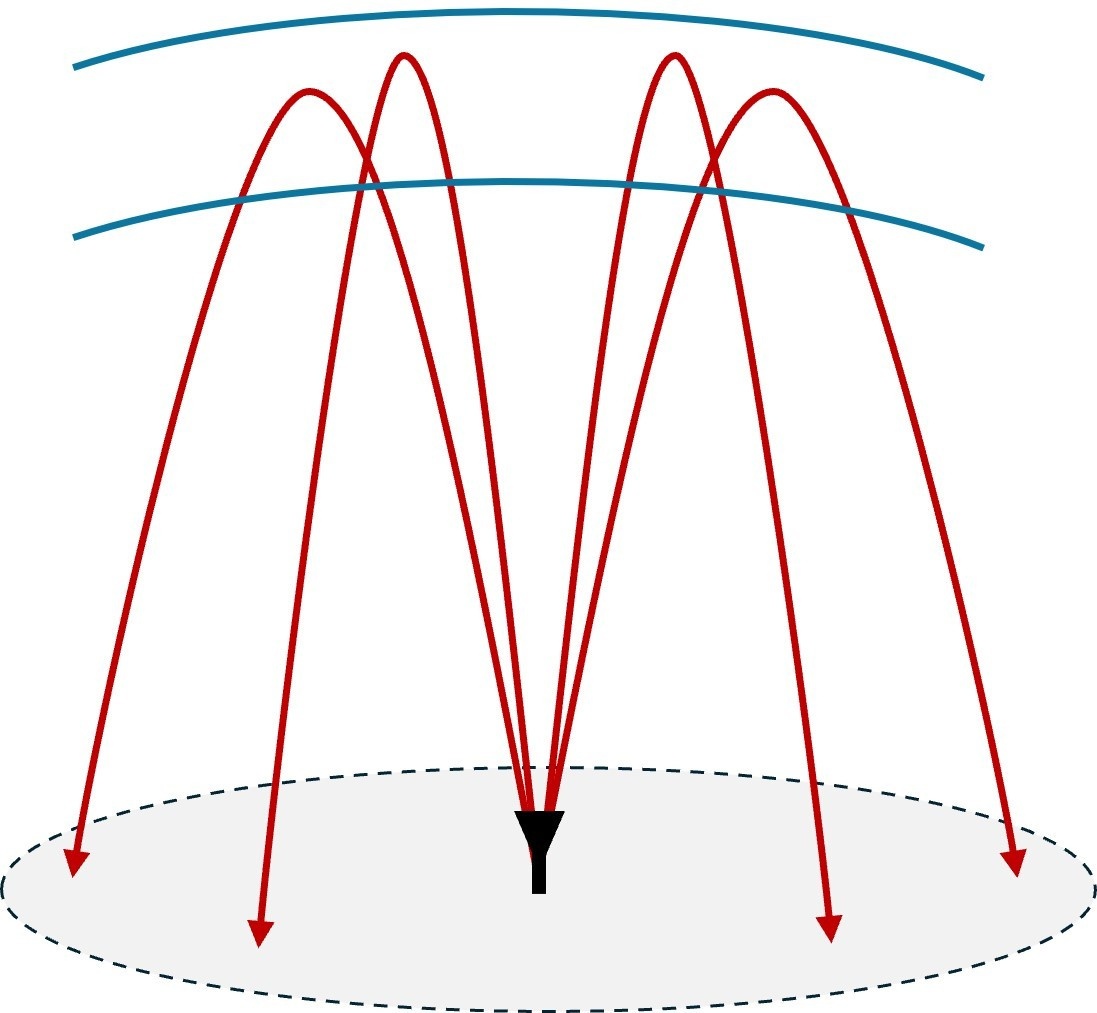
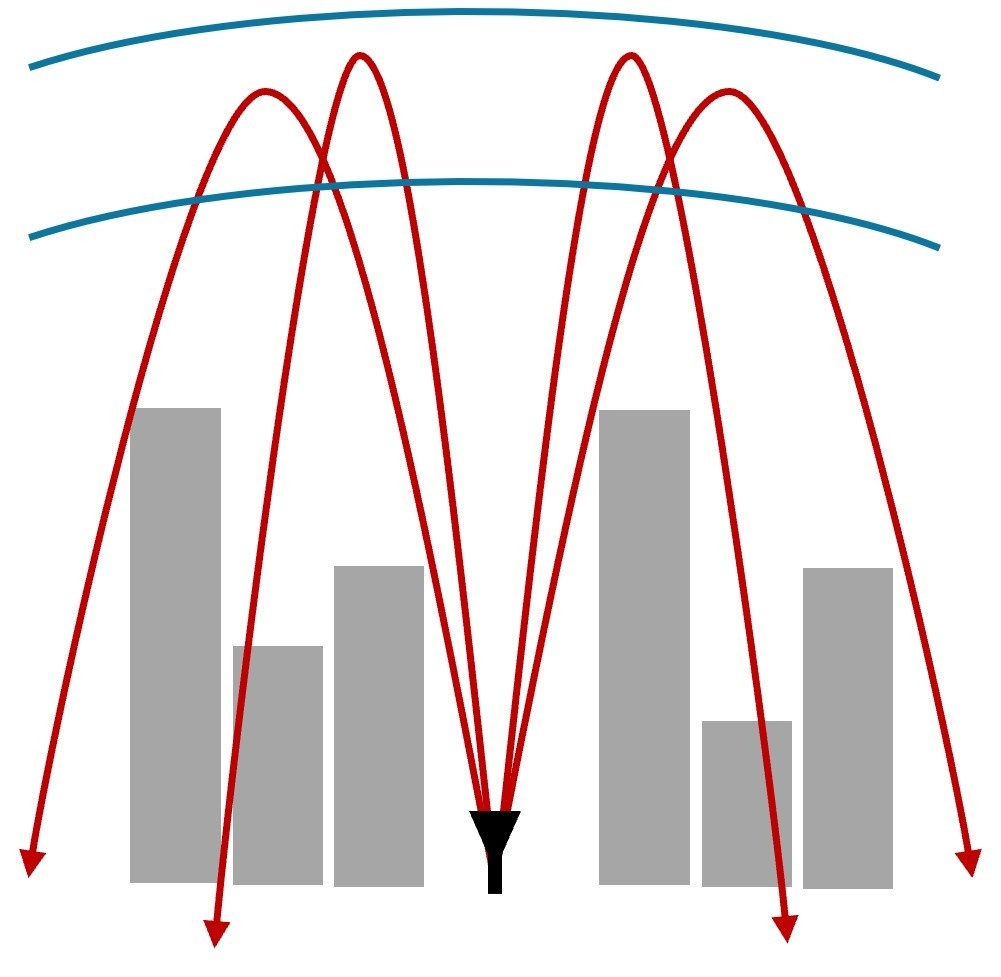
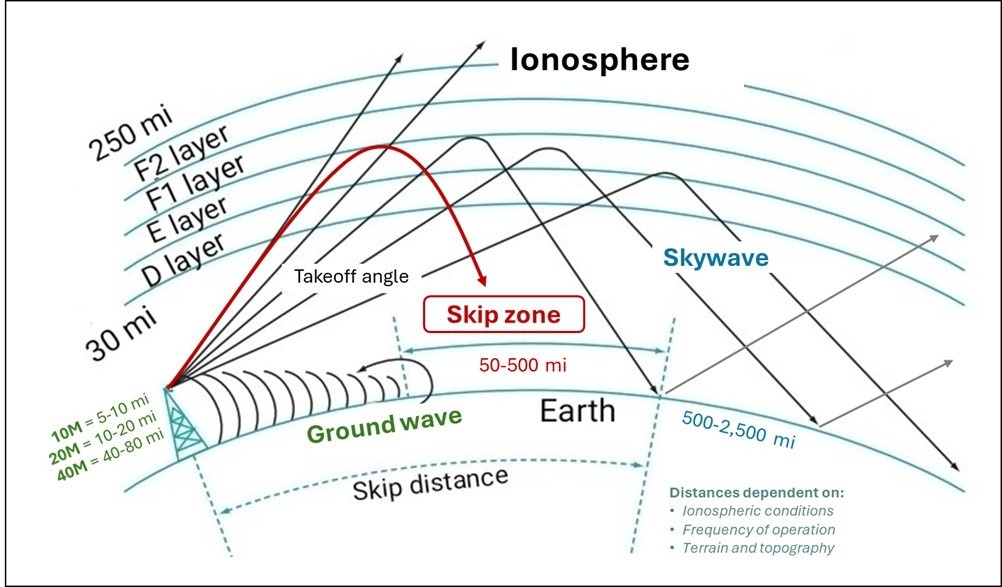
| What is NVIS? It is an abbreviation for Near Vertical Incidence Skywave. NVIS generally refers to the propagation path of a transmitted radio signal whose takeoff angle is near vertical or upward at a very steep angle, typically between 60° and 90° off the horizon. The incident angle entering the ionosphere is so steep that it can usually slice through the D-layer in the ionosphere without getting absorbed and refract off the E-F layers as a high angle skywave back to the surface. The optimal frequencies for NVIS propagation are under 10 MHz. However, frequencies 10-30 MHz can benefit from high angle radiation for shorter hops into the skip zone beyond ground wave. |
|
|
| |
|
|
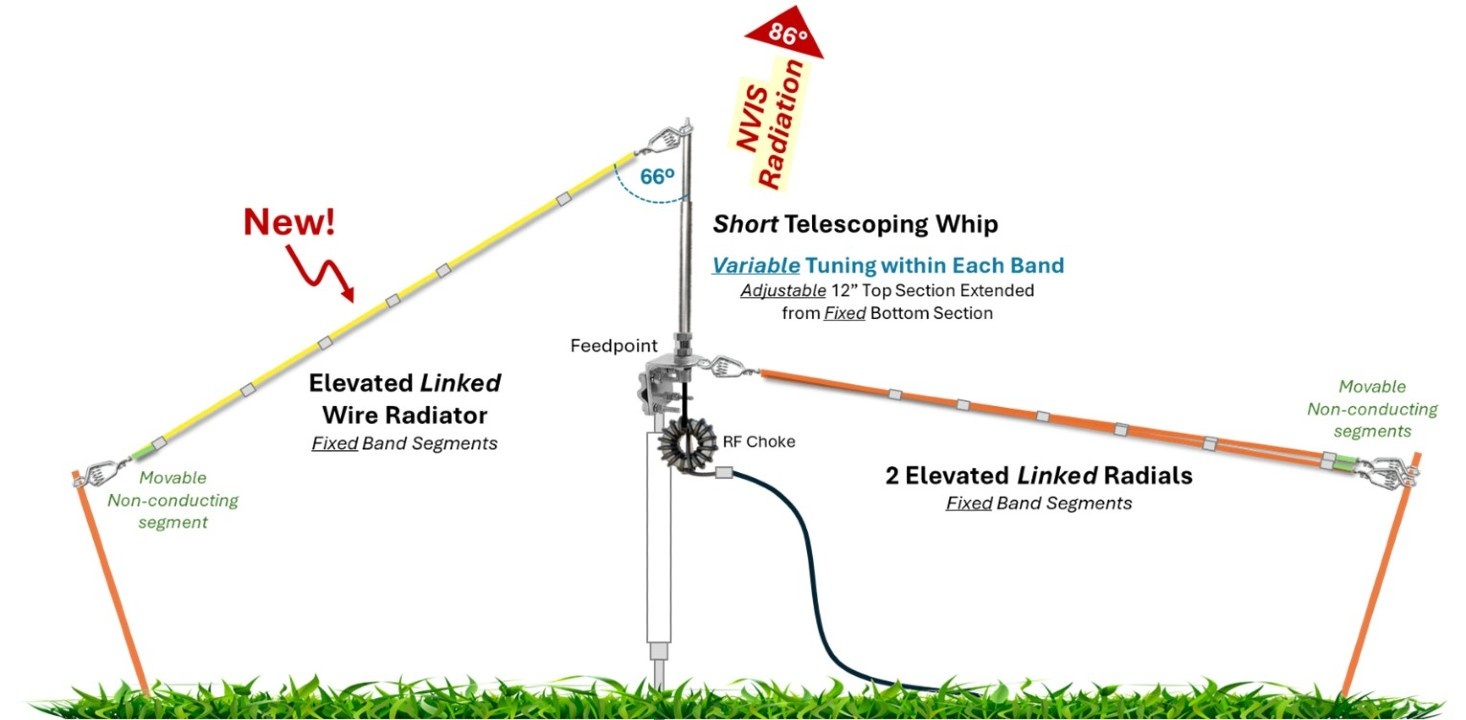
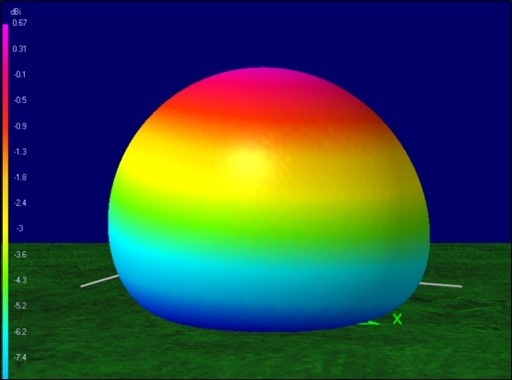
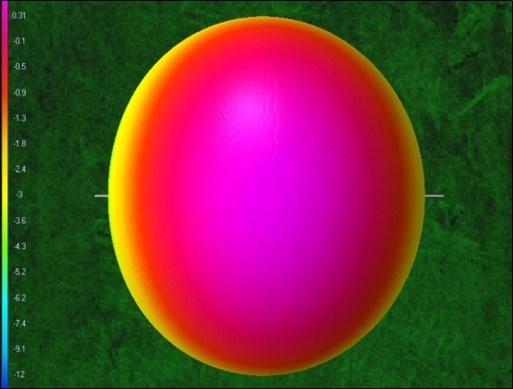
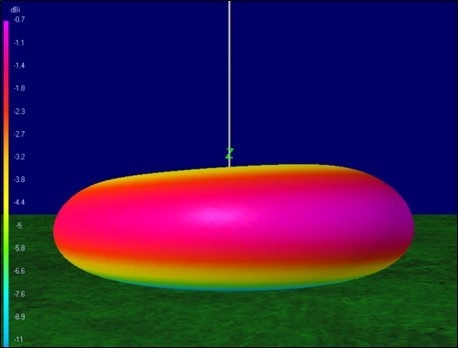
| In its normal configuration, the original PERformer antenna has an average 24° takeoff angle for excellent regional communications. However, even at this takeoff angle, the PERformer could easily skip over closer stations that are between the reach of ground wave and the first skywave hop. This geographic vicinity is called the skip zone and is a target for the PERformer NVIS antenna which has an average 86° takeoff angle for high angle radiation. Additionally, it has an average of +2.5 dB gain across all the bands due to the ground underneath it acting like a reflector. Coupled with the gain, it has 87% radiation efficiency for strong signals. |
|
|
| |
|
|
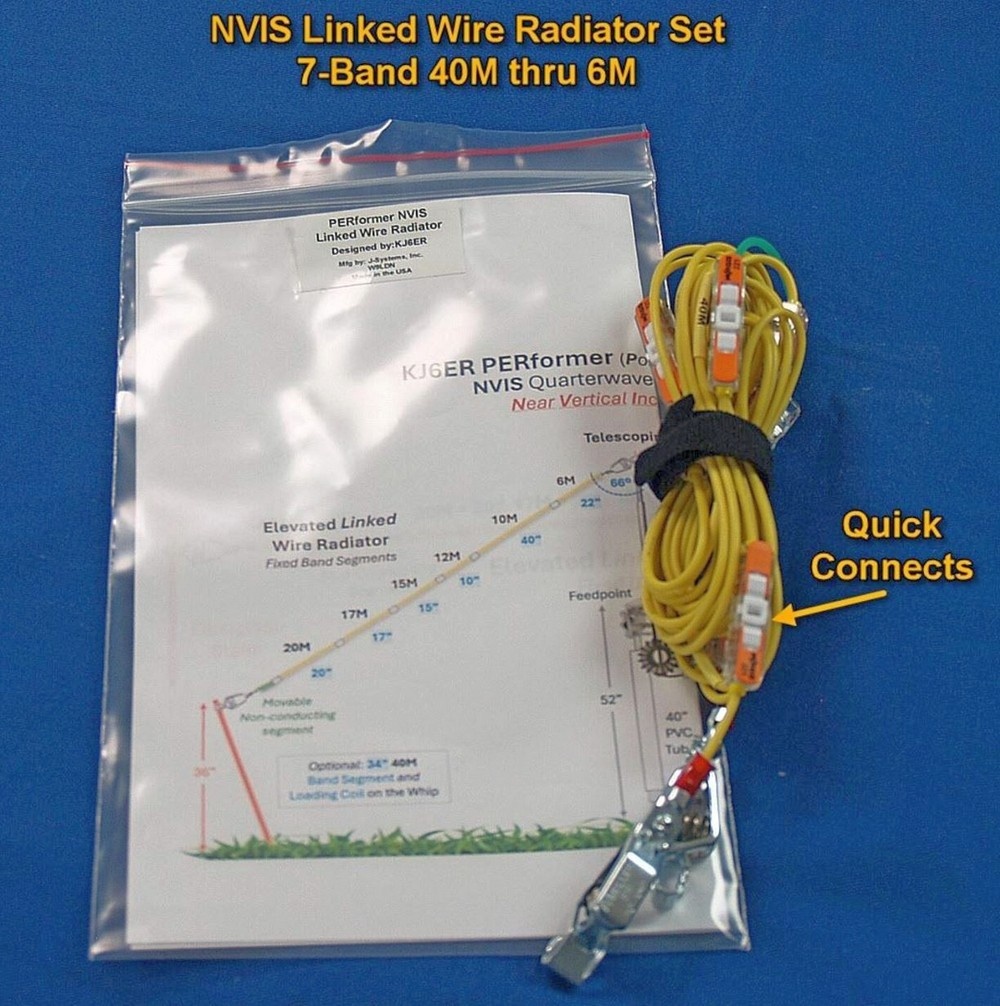
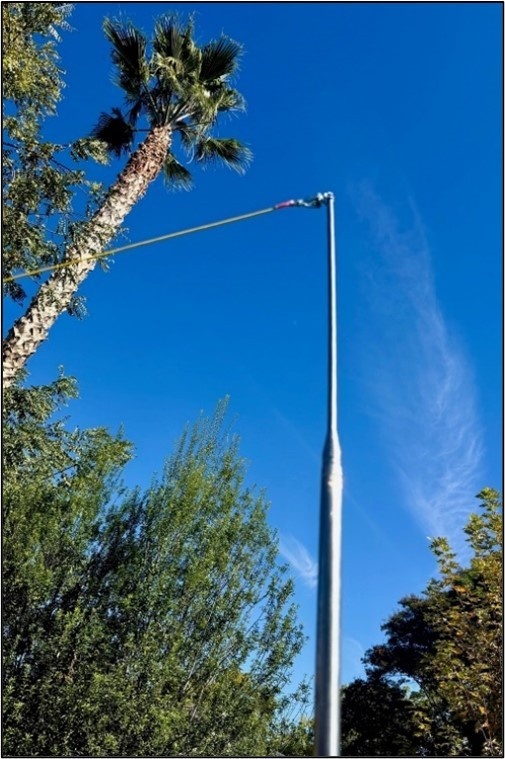
| The new PERformer NVIS Antenna has been computer-modeled in 4NEC2 to generate and optimize a high radiation angle for NVIS communications. The free 15-page PDF plans feature the construction of a sloping elevated linked wire radiator clipped to a short 34" telescoping whip with all the design details, radiation charts and essentials to deploy your own PERformer NVIS antenna in the field! Because of its unique design, the PERformer NVIS Antenna features a low noise profile due to its primarily horizontally polarized radiation, a low wind profile due to the short 34" whip as its high point, and a low visibility profile which makes it desirable for an HOA or antenna restricted neighborhood. The very high radiation angle of the new PERformer NVIS Antenna creates a big and beautiful bubble of strong radiation upward in all directions on all the bands. It also has a very broad elevation beamwidth which gives it versatility to radiate signals at lower angles for longer skywave hops, too. In one recent POTA activation, I was making contacts a few dozen miles away on 20M, as well as DX contacts on 15M and 10M due to its gain at lower elevation angles. Download the PDF now and have some NVIS fun! |
|
|
| |
|
|
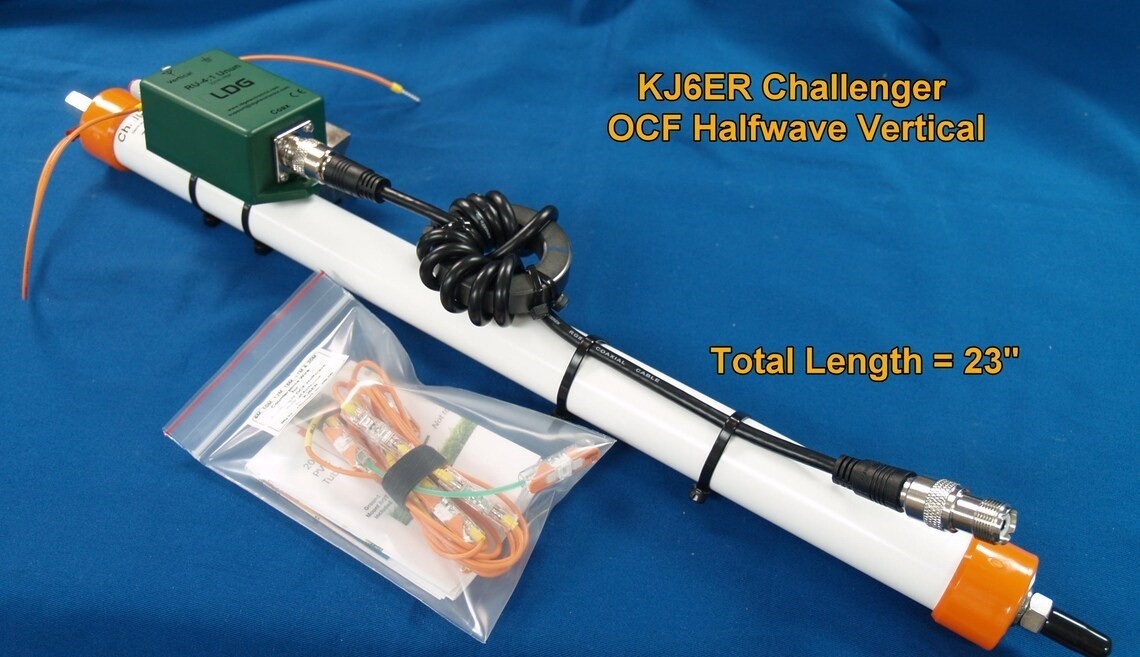
| What's Coming - In December, I will be taking a fresh look at one of my most popular antennas: the 7-band Challenger Off-Center Fed (OCF) halfwave antenna with a 21° takeoff angle for excellent continental and DX communications. And here is the exciting news ... I have made it even better with an option to add a parasitic director in front to increase its gain and directivity on all the bands! Stay tuned for that new section I am adding into the current Challenger PDF!
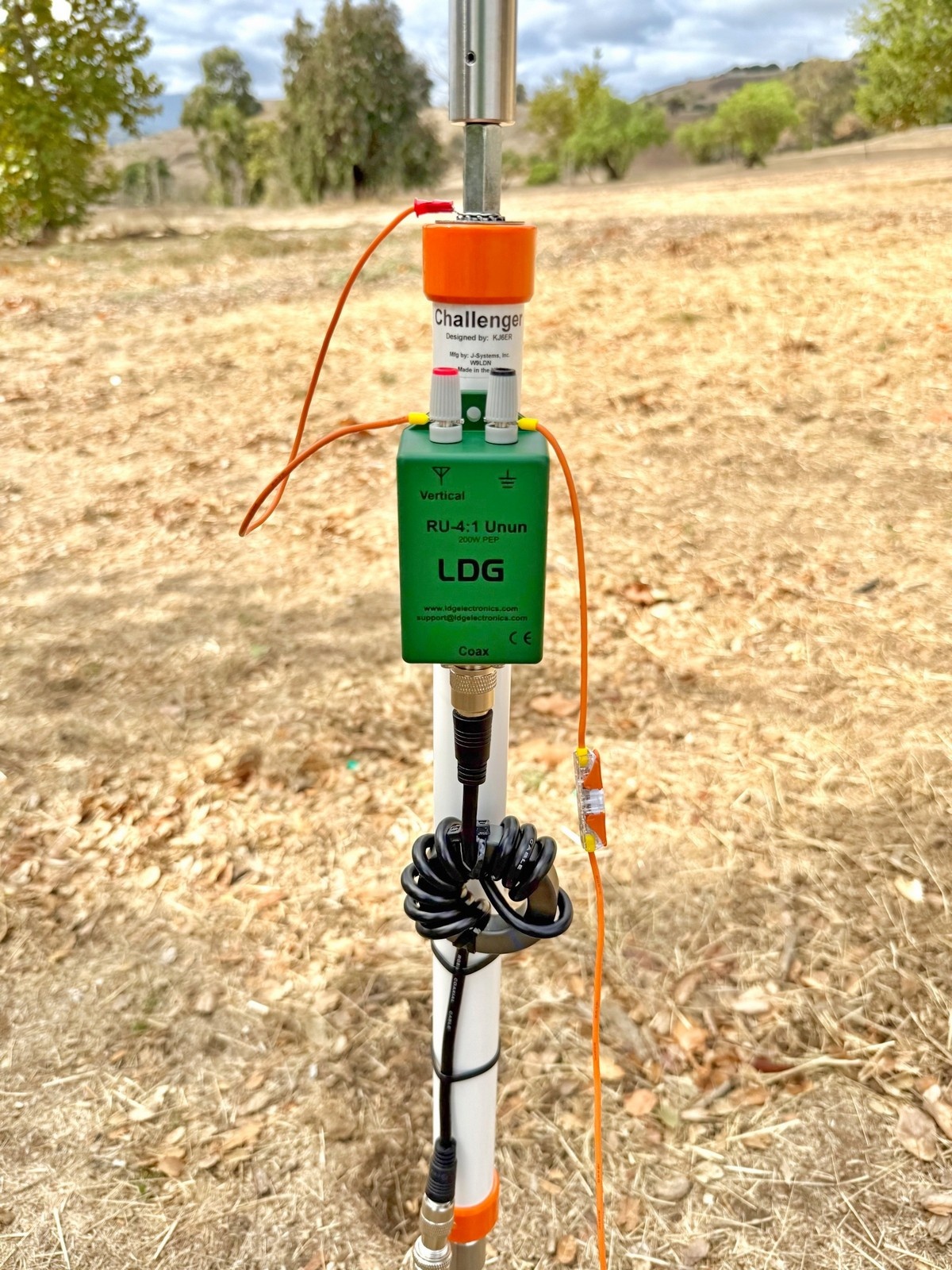
The Challenger comes in two configurations: one with the very popular LDG 4:1 unun, and the Challenger+ with the outstanding Palomar 4:1 unun for broader bandwidth and higher radiation efficiency! In fact, the Challenger+ is my most efficient portable antenna with over 94% radiation efficiency. If you have not built one yet, take a look at the plans and give it a try! Or, if you would prefer to buy an assembled Challenger antenna, it is now available on Etsy as both a core offering without a 25' telescoping whip and ground spike, or as a complete antenna system bundled with a new Chameleon™ 25' telescoping whip and a stainless steel ground spike! Take a look! |
|
|
| |
|
|
| Until next time, keep having fun out there! Building ham radio antennas is our last homebrewing frontier and I am dedicated to helping you do so successfully! See all my free antenna design plans at the cloud links below. If someone forwarded this email to you and want to be added to my antenna geeks email list, send me a message and you will be the first to receive new KJ6ER antenna designs and updates! I am also available to present my antennas to your Amateur Radio Club via Zoom. Let me know if they are interested! As always, feel free to reach out to me if you ever have any questions, I'd be happy to help you! 🙂 73 KJ6ER, Silicon Valley |
|
|
| |
|
|
| My mission is to design efficient and effective portable antennas for the every-ham that focus on the optimal integration of performance (high radiation efficiency), elegance (speed and simplicity of deployment) and convenience (ease of transport and storage). These designs are always shared for free with the global amateur radio community to encourage more radio operators to homebrew their own portable antennas. |
|
|
| |
|
|