͏‌ ͏‌ ͏‌ ͏‌ ͏‌ ͏‌ ͏‌ ͏‌ ͏‌ ͏‌ ͏‌ ͏‌ ͏‌ ͏‌ ͏‌ ͏‌ ͏‌ ͏‌ ͏‌ ͏‌ ͏‌ ͏‌ ͏‌ ͏‌ ͏‌ ͏‌ ͏‌ ͏‌ ͏‌ ͏‌ ͏‌ ͏‌ ͏‌ ͏‌ ͏‌ ͏‌ ͏‌ ͏‌ ͏‌ ͏‌ ͏‌ ͏‌ ͏‌ ͏‌ ͏‌ ͏‌ ͏‌ ͏‌ ͏‌ ͏‌ ͏‌ ͏‌ ͏‌ ͏‌ ͏‌ ͏‌ ͏‌ ͏‌ ͏‌ ͏‌ ͏‌ ͏‌ ͏‌ ͏‌ ͏‌ ͏‌ ͏‌ ͏‌ ͏‌ ͏‌ ͏‌ ͏‌ ͏‌ ͏‌ ͏‌ ͏‌ 
Is this email not displaying correctly? View it in your browser.
Image description

Spring Tonic is Back - April 5 & 6

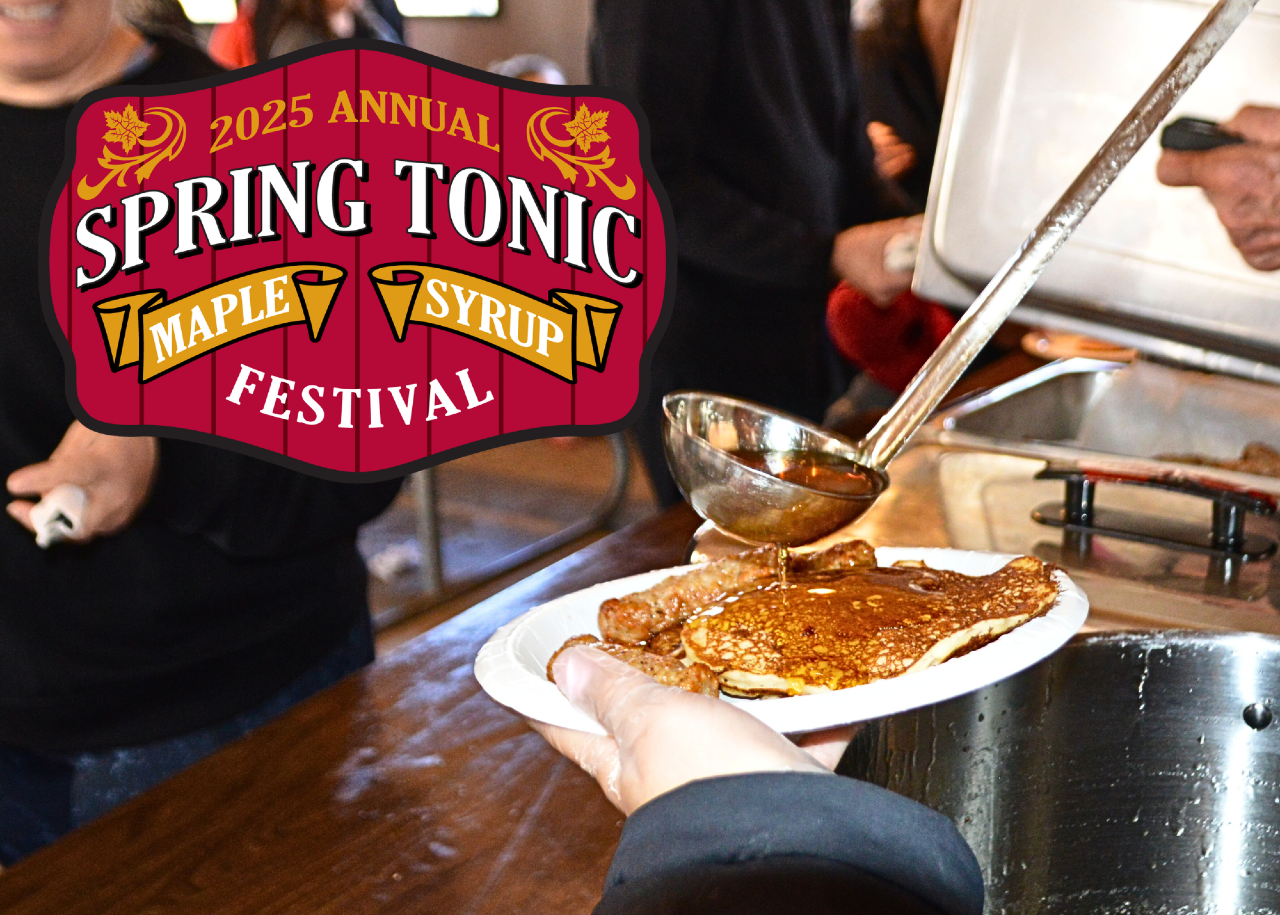
Spring tonic 2025 logo

Spring is in the air, and that means it’s almost time for our Annual Spring Tonic Maple Syrup Festival at the Tiffin Conservation Area! Get ready for a fun-filled weekend celebrating maple syrup, local traditions, and community spirit.


What’s Happening at Spring Tonic? Along with our signature pancake breakfast, we’re excited to bring back some fan-favorite attractions:

  • Red Barn Dog Shows – Watch these talented pups show off their skills!
  • Zoo-to-You – Get up close with fascinating animals.
  • Local Emergency Responders – Meet the heroes who keep our community safe.

Of course, there’s plenty more to see and do, from wagon rides through the forest, to maple syrup demonstrations and outdoor fun for the whole family.


This year, we are thrilled to welcome two major sponsors:

  • Brad’s Tree Service – Golden Syrup Level
  • Complete Windows and Doors – Maple Tree Level

Their generous support helps us make this festival bigger and better than ever!


Want to Get Involved? If you’d like to lend a hand or just enjoy the festival, we’d love to see you there! Thank you to everyone who has been working hard to bring this event together.


Let’s make this Spring Tonic the best one yet!

Get Your Spring Tonic Tickets Here!

Modernizing NVCA: E-Permitting Portal is Live

NVCA E-Permitting Portal is Now Online!

Exciting news! NVCA’s E-permitting portal is now live on our website. This new system will help property owners submit questions about their projects, book pre-consultations and submit permit applications!


This project is a major step forward in improving our services and making it easier for our community to get the approvals they need. Thank you to everyone who contributed to making this happen!

Have a Question About NVCA Permits? Ask Us Online!

Regulations Mapping and Public Open House

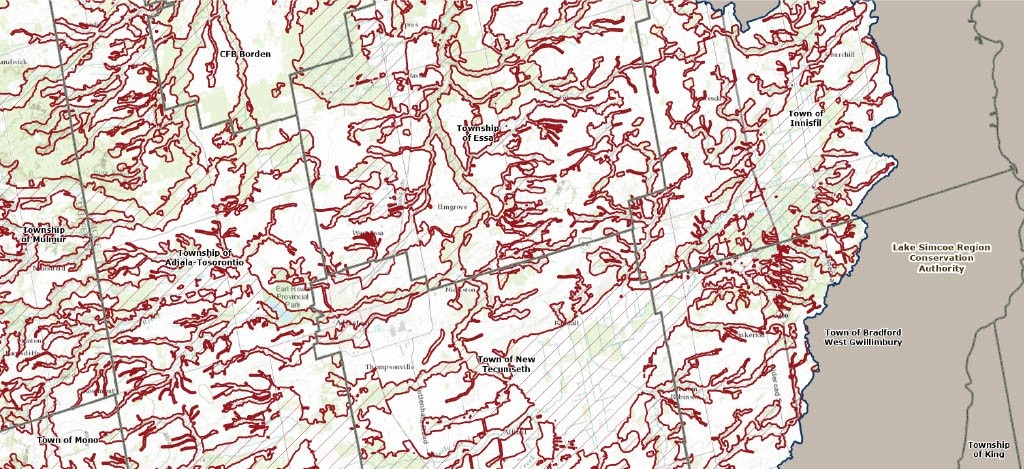
NVCA Regulation Map

We are looking for your feedback on our draft regulation mapping!

NVCA has the responsibility to regulate development in natural hazard areas in order to avoid the loss of life and damage to property due to flooding and erosion.

Learn more about the natural hazards found in our watershed here.


Public Open House – April 8, 2025


Property owners are welcome to attend our public open house on April 8, 2025, from 5:30 p.m. to 8:00 p.m. to review regulation changes with an NVCA staff member.


If you are unable to attend the open house, you can schedule an appointment with NVCA’s Regulations staff to discuss your questions and concerns.


How was the draft regulation mapping updated?

NVCA has updated its Regulations Mapping using the best available information and data collection techniques that helps us make better planning decisions for future development and help make the Nottawasaga Watershed safer for our communities.


The draft regulation mapping layers can now be viewed on our interactive tool, which highlights areas where natural hazards may occur in the watershed. If your property is in a regulated area, you may require approval from NVCA before starting your project.

Key Updates:

  • Overall Regulation Area: Between 2013 and 2024, the total regulated area decreased by 18.6% (32,061 hectares).
  • Wetlands: 4,296 wetland boundaries updated
  • Slopes: 580 slope stability hazard areas updated
  • Floodplains: 2,121 hectares of floodplain mapping updated in the Upper Mad River subwatershed and the Lower Nottawasaga River reach.
  • Shoreline: 42 km of shoreline hazard mapping updated
Learn More or Leave a Comment

Fun Facts About Maple Syrup

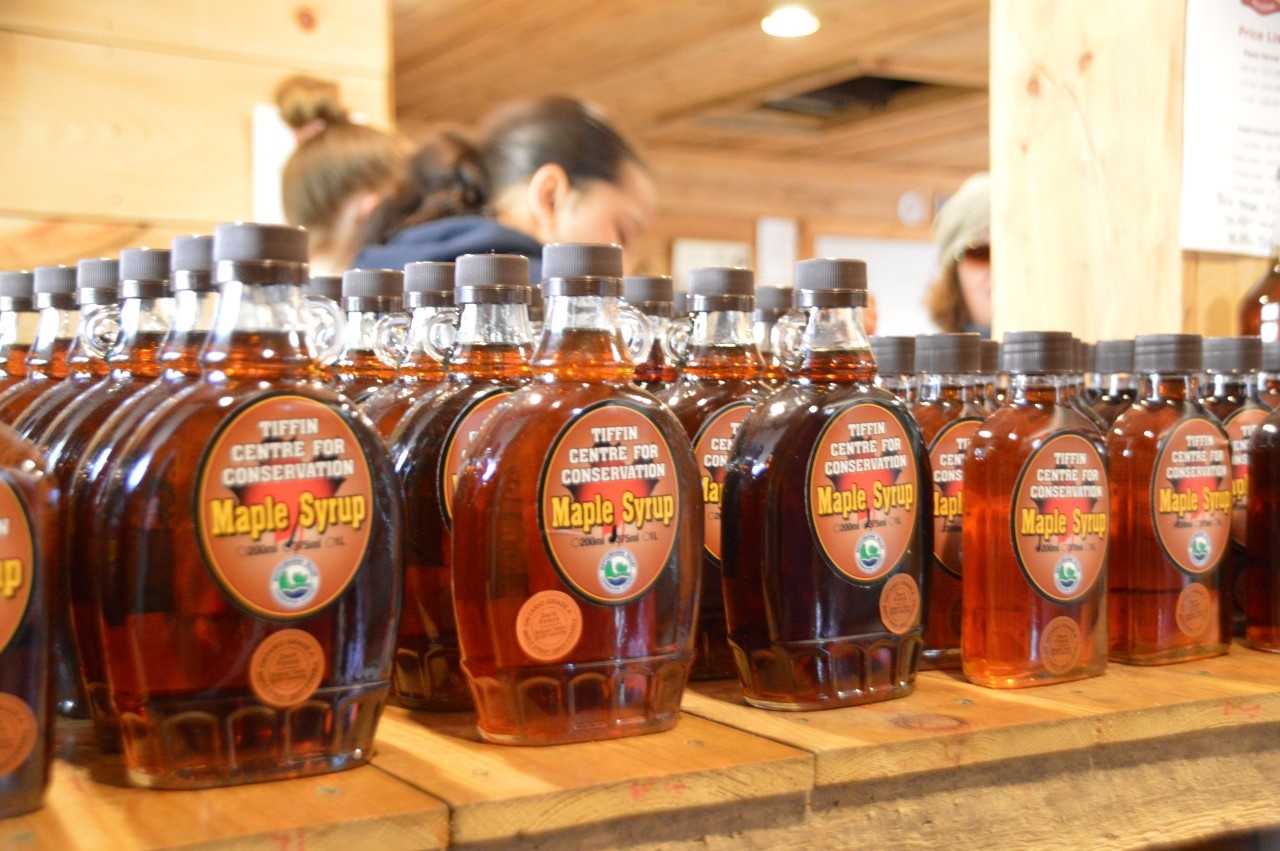
Tifin maple Syrup

Did you know it takes about 40 litres of sap to produce just one litre of delicious maple syrup? While this ratio can vary from tree to tree, every drop is a true taste of spring!

Here are some sweet facts about maple syrup:

  • To be considered syrup, sap must be boiled down to 66% sugar.
  • Sap carries essential minerals from the soil to the tree’s leaf buds. This is why syrup must be filtered before bottling—otherwise, it would be filled with grit and sand!
  • Early in the season, sap is clear. As the tree nears budding, the sap becomes cloudier and the syrup turns darker.

Thanks to the hard work of our dedicated Lands team and volunteers, the Tiffin Centre produces 400–800 litres of maple syrup each year—enough to make plenty of pancakes!


Be sure to share these fun facts with your friends and family at the Spring Tonic Festival!

    Get Your Bottle of Tiffin Maple Syrup Today!

    Frost Seeding

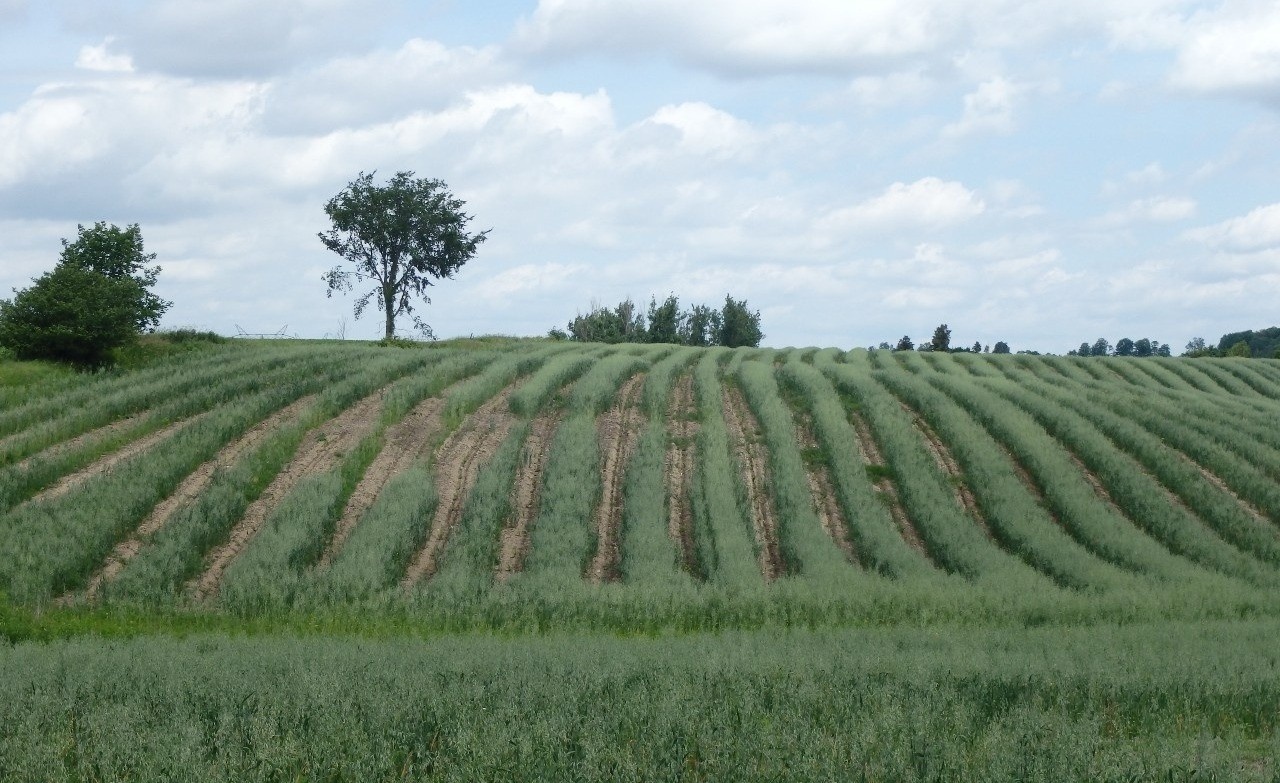
    Cover crop planting area in mid season

    A healthy cover crop at mid season. 

    NVCA Forestry has been out doing some frost seeding cover crops in preparation for the upcoming planting season. What’s frost seeding you ask? Frost seeding is an effective and low-cost method of sowing cover crops near the end of winter or early spring. When the ground freezes and thaws, it expands and contracts, which allows seeds to sink slightly into the topsoil. When they begin to sprout, their roots can take hold almost immediately without the need to till the soil or manually cover the seeds. In addition to easier rooting, melting snow, spring rains, and the thawing ground ensure that the seeds are well-watered during their germination period.


    But why is the Forestry Department seeding instead of planting trees? Well, the weather is still too cold, and nurseries are still preparing for the upcoming tree planting season. But that doesn’t mean we can’t prepare! Low-growing crops like clover and barley are sown in bare soil when planting trees to help manage annual weeds and keep taller plants that can interfere with the trees at bay. Dense and tall weeds can smother out the trees or provide cover for rodents and other pests that like to eat the bark of the young trees, leaving them vulnerable to disease.

    Learn More About Our Forestry Program
    If you would like to unsubscribe, please click here.