| Reimagining Oakland Unified |
|
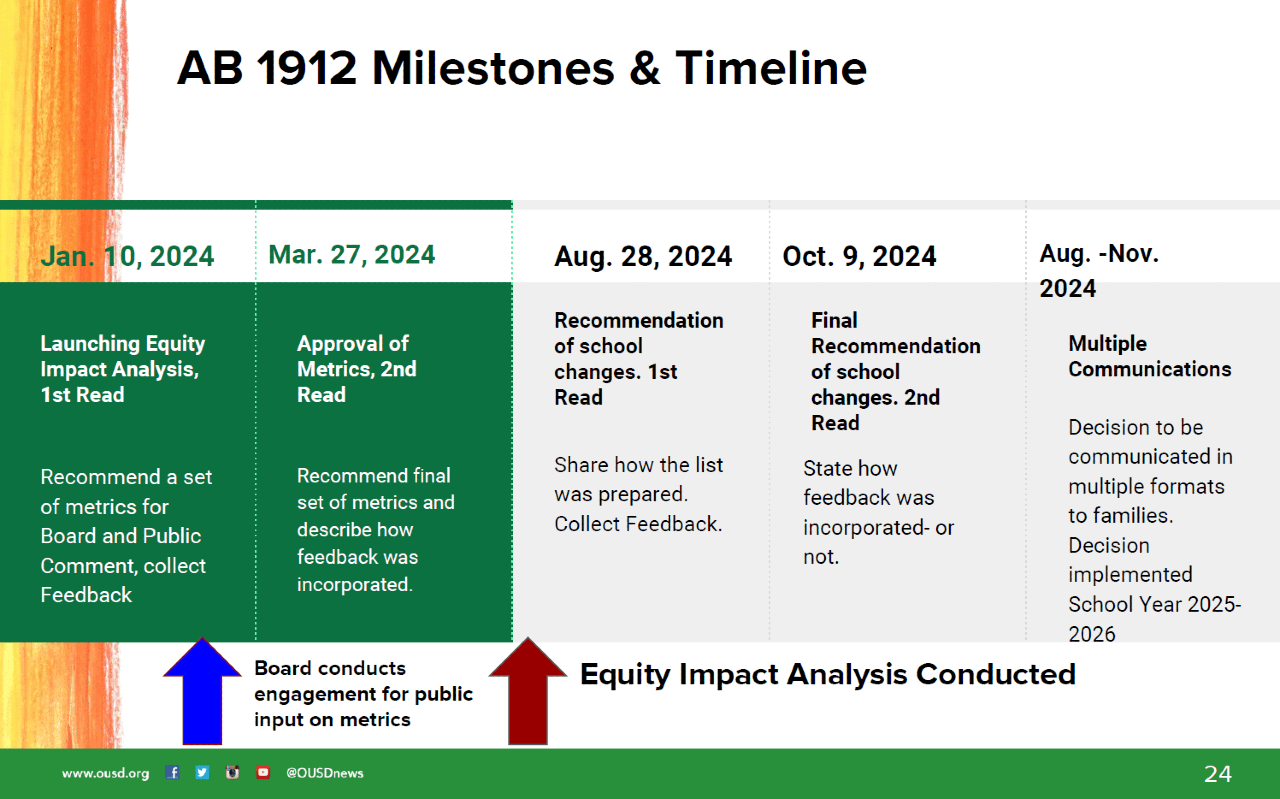
On Feb. 28, the Board adopted Resolution 2324-0137, “Proposed Budget Adjustments for Fiscal Year 2024-25 and Restructuring Recommendations for 2025-26.” The first of the adopted restructuring recommendations reads as follows (p. 19): “III. Restructuring Recommendations “A. Restructuring of Schools Aligned to AB1912 Process “Analysis after analysis on our District financial dilemmas and low student achievement outcomes has identified a clear problem for Board Leadership to solve concerning the number of schools we operate. This dilemma is not easily solved. However, it is clear that OUSD operates twice as many schools as other similarly-sized Districts. There have been waves of reform efforts that have been implemented in OUSD under the many Superintendents that have led our District. Some have arguably been successful while others have flamed out only to leave behind disappointment and waning trust in the public education system. The recommendation to close and merge schools is action the Board should take to interrupt decades of inefficient spending and prioritizing politics and adults over the success of future generations of students. “While it is unlikely that we operate half the number of schools in our District, the analysis provides insight as to how District resources could be re-invested in fewer schools. The District does not suggest school closures or mergers with the singular hope of saving money; yet instead, the driver is a deeper investment in student and family programs and services, better outcomes for students, and the ability to pay staff a competitive wage required to live and work in Oakland.” [emphasis in original] Following that, on April 10 and June 5 the Board adopted resolutions posted on the agenda as “AB 1912 - Equity Impact Analysis - A Required Advanced Study for Closure or Consolidation of School(s).” These resolutions recommended the creation of a committee, which gave a report to the Board on September 25 suggesting additional metrics for the analysis, which the Board adopted at that same meeting. Furthermore, on August 14 the Board unanimously adopted Resolution 2324-0212, “Re-envision, Restructure and Redesign OUSD in 2024-25,” which among other things, resolved that: “the school board, with the support of the superintendent and staff, will lead a citywide re-envisioning process in 2024-25 to provide recommendations for OUSD’s future footprint by June of 2025.” The AB 1912 item was also on the agenda at the March 27 and August 28 meetings, so the board has discussed and/or voted on it at 5 or 6 different meetings this year. The timeline shared on March 27 stated that the list of school changes would be published in August and voted on in October. The Board was later updated that this would instead happen in November and December. |
|
This timeline from March 27 has since been extended. The first read has been postponed to Nov. 13, with the proposed vote on Dec. 11.
|
|
Nobody who has been paying attention can say that it’s a surprise that school closures and consolidations will be on the agenda this fall, nor is it being rushed; in fact, the timeline has instead been more drawn out than shown above. And of course, anybody who has been paying attention knows that a significant reduction in the number of schools has been looming over Oakland Unified for years, with tremendous controversy, delays, and rescissions. Now Oakland is not alone, with districts from San Francisco to San Jose to Inglewood to San Diego considering or approving consolidations this year in the face of declining enrollment. Lower birth rates, gentrification, displacement and high housing costs have decreased the student population all along the West Coast, and school districts need to plan for a future with fewer kids. Oakland’s charter schools are actually declining more rapidly than our public schools, having dropped 8.5% from 16,070 students in 44 charter schools when Superintendent Kyla Johnson-Trammell took charge of the District in the fall of 2017, to 14,705 students in 39 schools by the fall of 2023 (now reduced to 38 this year with the closure of NOCCS). As I’ve said many times, when I go out to visit our public schools, from the flatlands to the hills, from our smallest schools to our biggest, the complaint I hear over and over again is that we have too few teachers and school staff, and the ones we have are being underpaid for the work that they do. In part, this is because California underfunds education. Until billionaires pay their fair share, and urban schools get all the resources they need to address decades of underinvestment, Oakland’s students will suffer the disparities. Gov. Jerry Brown’s passage of the Local Control Funding Formula (LCFF) in 2013 made a huge step in this direction, yet there is much more that needs to be done for true educational equity across California. But while we continue to advocate for statewide change, we also need to admit that here in Oakland, we can’t sustain the 78 schools that we now have, because it means dividing up the resources we have into such small amounts, with the result that a few large schools are vastly subsidizing the many micro-schools across town that have under 200 students each. For example, our largest school, Oakland Tech, has more students (1760) than the 9 smallest elementary schools put together (1734 students total). Our second-largest school, Oakland High, has more students (1572) than the 8 smallest high school programs put together (1392 students total). |
|
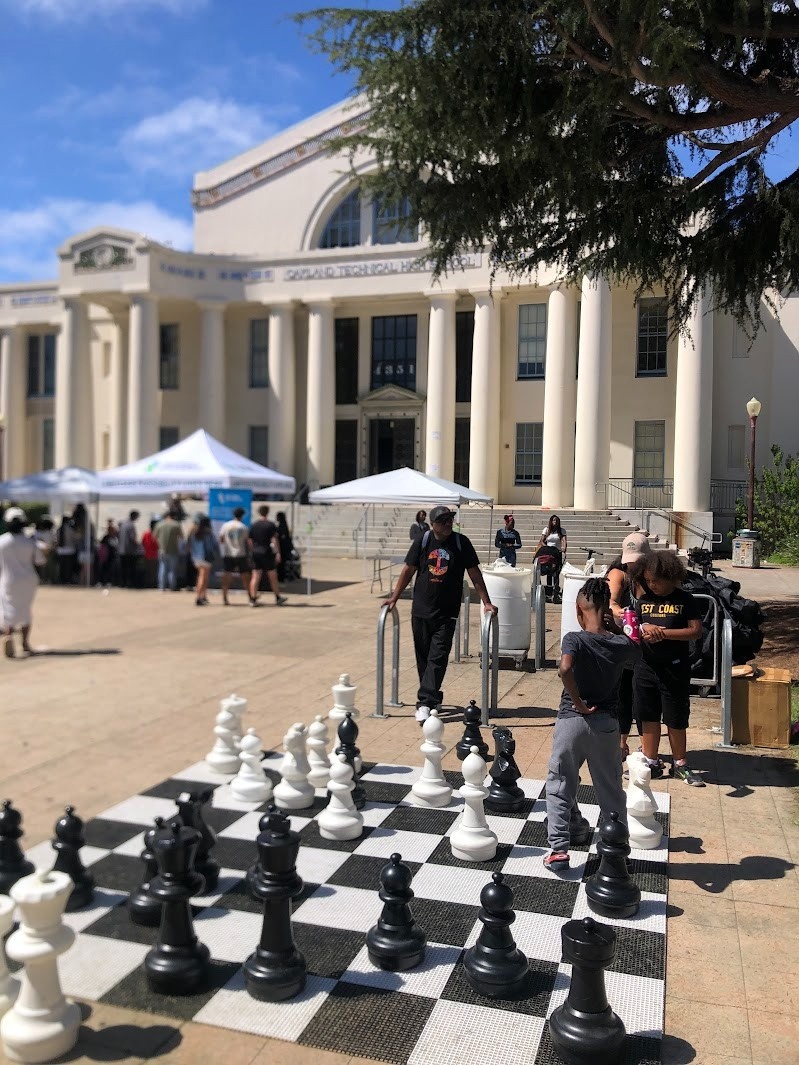
Oakland Tech’s large size makes it a huge community resource. On Sept. 14, Tech's front lawn hosted the annual citywide Kits Cubed science fair. |
|
While racial and socioeconomic equity concerns need to be top of mind when we are considering any plan to reduce the footprint of Oakland Unified, it is also true that over 77% of our students qualify for free or reduced lunch due to low family income. Therefore, any significant school changes are going to impact many students that already face many injustices every day. Yet the impact of leaving things as they are may be even worse than the impact of proposed school closures and consolidations. Fewer schools will allow us to better concentrate resources that can serve all families, especially those who are low-income and English language learners. Merged schools like Elmhurst United and Lockwood Steam Academy have the economy of scale to provide a lot more support to their students than when they were four individual schools a few years ago. It is incumbent on us as the Board to act now, to set a plan that phases in any necessary mergers and/or closures over a few years, so that the changes can happen thoughtfully and with support to families and staff, before the transition to a new superintendent when Superintendent Johnson-Trammell finally moves on after 2026-27. As painful as this will be, it is the lesson of the many years of anguish over school closures and consolidations in Oakland that when they have happened too quickly, it has not been successful, while when there has been planning and transition time, the changes have been a little less awful. Nobody runs for school board so they can implement austerity measures--it’s by far the worst part of the job. But I refuse to put off my responsibility so that someone else will face a real crisis next year, whether it is my successor having to make a rushed decision, or the county superintendent needing to take over the district when it runs out of funds to meet payroll. The proposed list of school changes will come to the Board for a first read on November 13, with a second read and possible vote on December 11. This time, let’s use the remaining pandemic funding to support a phased-in plan that invests equitably in Oakland’s next generation, rather than to subsidize the inefficient infrastructure of Oakland’s past. |
|
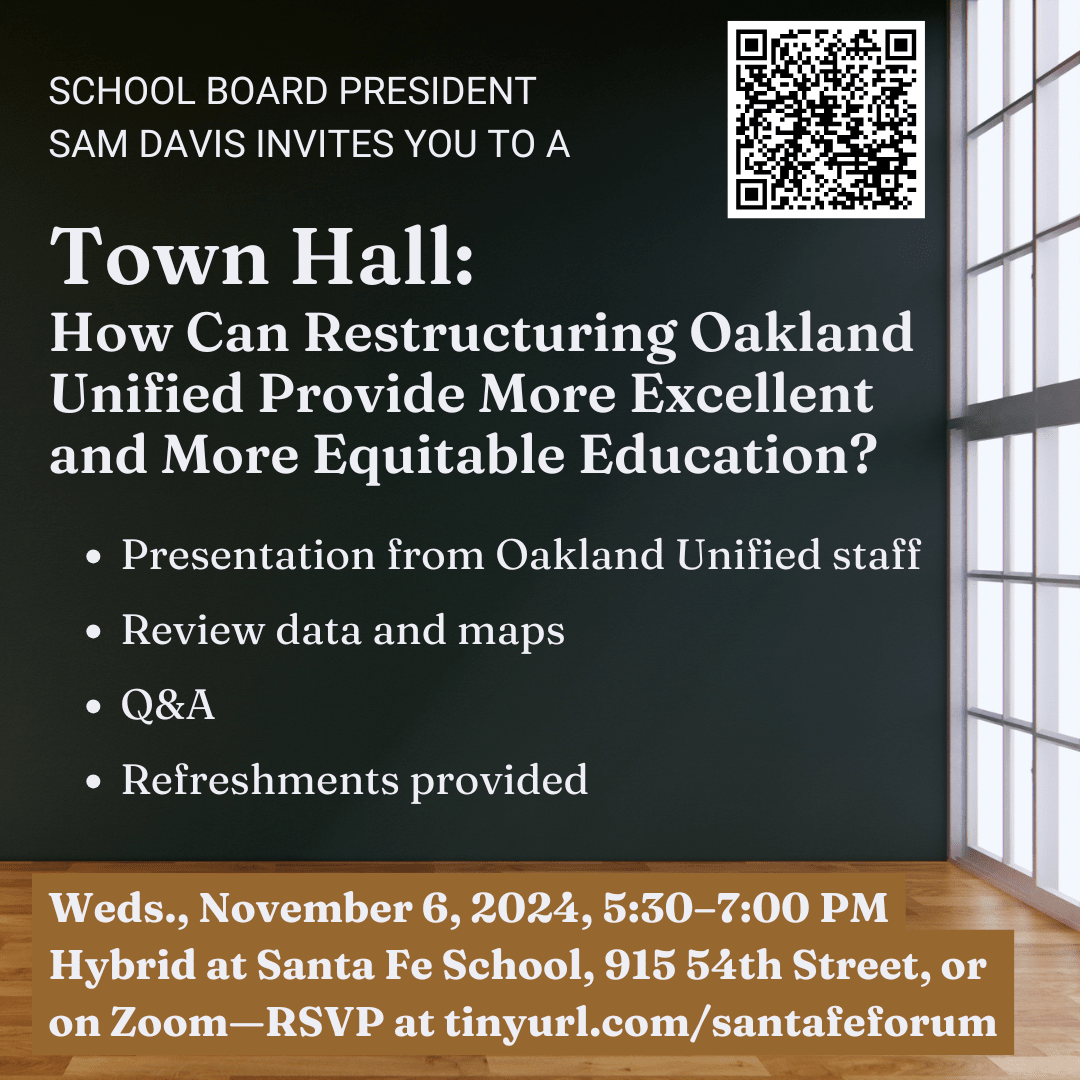
I will hold a Town Hall on November 6, from 5:30-7:00, for the community to hear from staff about the restructuring process and to ask questions.
The event is hybrid at Santa Fe School and also on Zoom. Please register at this link so we know how many people to expect. |
|
Planning Housing for Vacant District Property |
|
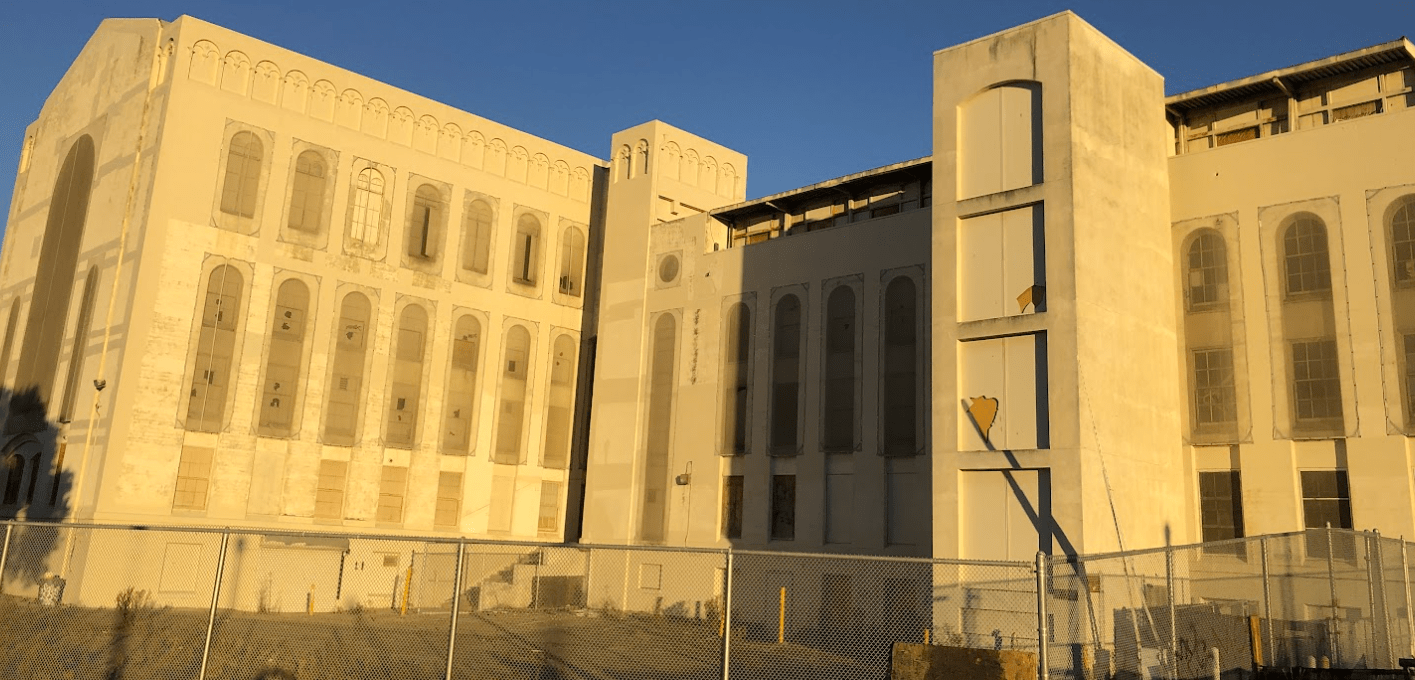
Along those lines, on Oct. 9, the Board approved Resolution 24-1968, "Intent to Consider Joint Occupancy Proposals at the Former Administration Building at 1025 Second Avenue." In the resolution, the Board expressed the vision for the long-abandoned site to be jointly used as housing for Transitional-Aged Youth (TAY) and Career Technical Education (CTE) as well as for educational purposes by Oakland Unified. |
|
The Board will accept proposals to convert this long-vacant property into a hub for Career Technical Education and Transition-Aged Youth housing. |
|
The District has contracted with real estate experts to assist with planning for this site as well as some of its other currently vacant and underutilized properties, such as the former Bunche Academy campus in West Oakland and the former Golden Gate preschool site in North Oakland. To assist with this repurposing effort, Board members went on a field trip to see a workforce housing development in Daly City, built by the Jefferson Union High School District (JUHSD) to attract teachers to work in its schools. Since JUHSD cannot afford to pay its teachers as well as some of the neighboring wealthy districts on the peninsula, this is a successful strategy it has pursued in partnership with organized labor to recruit and retain educators. Last Thursday’s Board study session included a presentation outlining other urgent space needs that the District has, including: - more space for Transitional Kindergarten (TK) classrooms—there are currently long waiting lists at several schools, and the staff-student ratio mandated by the state for those classrooms may go down next year;
- additional space for Special Education programs, especially for students currently attending Non-Public Schools (NPS);
- and office space for family services—for example, the current enrollment office is in a location that is very hard to get to for transit-dependent families.
|
|
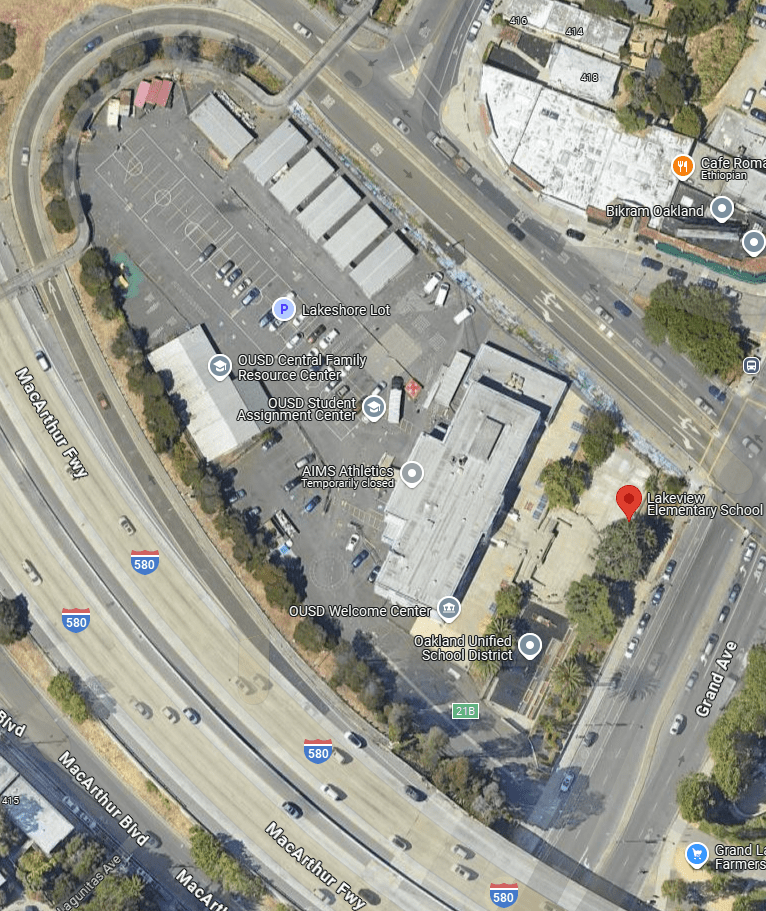
The former Lakeview Elementary site, located in the elbow of a freeway exit, houses Oakland Unified's enrollment office as well as a charter high school, among other things, which are not a good use of that space. The district’s experts are evaluating this and other sites (photo credit: Google Maps). |
|
In talking to local housing experts, I have learned that not only is selling district property for market-rate housing a bad idea from a public policy standpoint, but also the market is depressed for that right now. Instead, these other urgent and important community and district needs are better uses for our vacant property. I strongly wish, and will continue to advocate for, the District to move quickly in that direction in the coming months and years. |
|
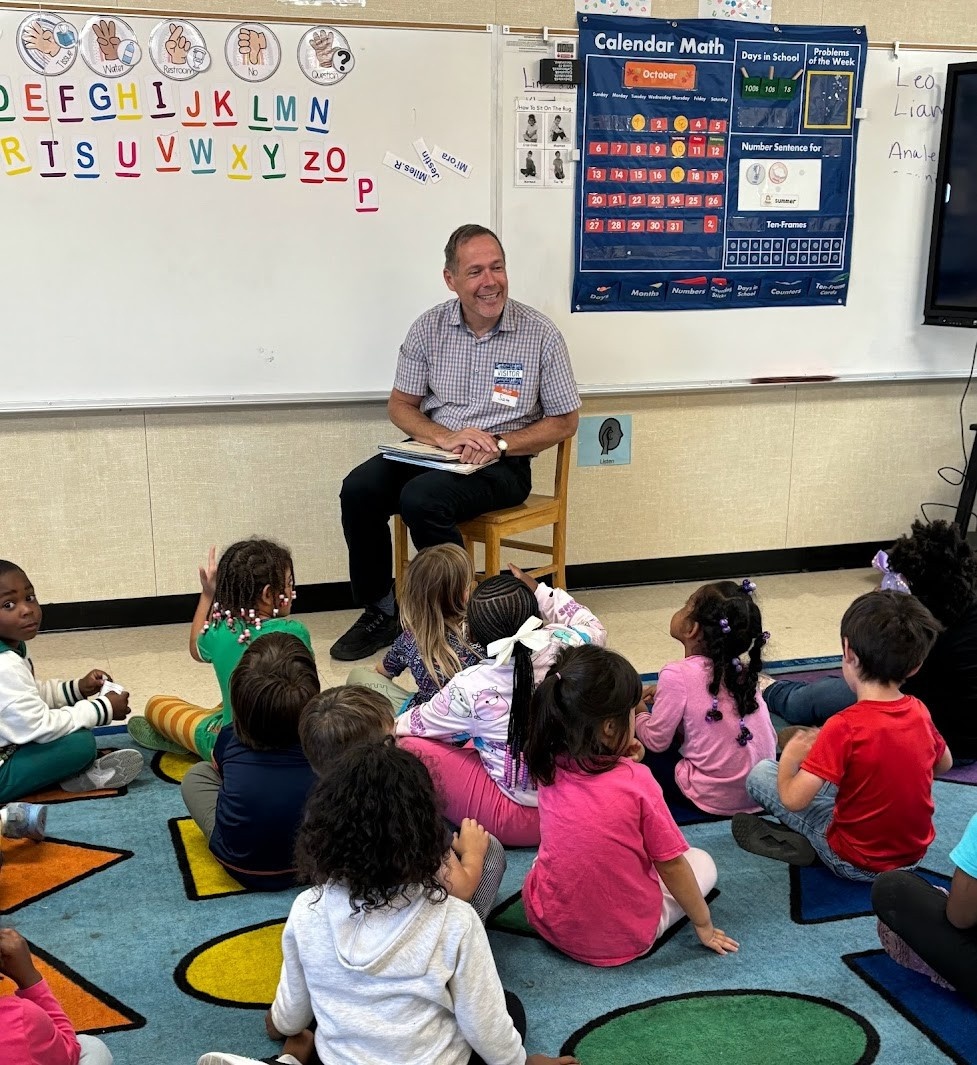
On October 10, I participated in the Oakland Ed Fund’s 10th Annual Latine Read-In Week at Sankofa United (photo credit: Oakland Ed Fund). |
|
The “Manufactured Crisis” is Neither
|
|
I recently saw a presentation that states that Oakland Unified's projected $95 million deficit for 2025-26 is a “manufactured crisis” because the District started the year with $117 million in its reserve. I would argue that the deficit is neither manufactured nor a crisis. Oakland Unified is like public entities across the state and nation, which increased spending during the pandemic when they received massive influxes of COVID relief funds. Those funds came with an expiration date: most were required to be encumbered by September of this year. You can look at the headlines in any major city—Chicago, San Francisco, and San Diego are ones I have seen just this week—to see that as those funds have expired, cities and school districts are having to make budget adjustments in preparation for the “fiscal cliff.” Unlike the City of Oakland, our school district does not have a Coliseum it can sell to postpone the adjustments by another year. One of the ways the District used the influx of one-time funding was to help with urgently needed compensation increases for all of its employees. The pandemic was very tough, and finding another job was tempting compared to the hard work of being in schools. The bonuses and salary increases were urgently needed and very well-deserved. And, it is also true that they greatly increased the annual expenditures of the District. So the deficit is very real, not manufactured, but neither is it a crisis. The District did start the year with $117 million in reserve, which it is spending down this year, due to a projected $79 million 2024-25 deficit between revenues and expenditures. If we do not address the deficit this year, then indeed it would become a crisis in 2025-26, when arithmetic tells us that the reserve will be down to $38 million ($117 million minus $79 million). Next year, the deficit is projected to grow to $95 million, which would cause a mid-year crisis in early 2026 if the District ran out of reserves to meet expenses. Instead, as a responsible leader, I intend to act now to prevent the crisis. In her conditional approval of Oakland Unified's 2024-25 budget, Alameda County Superintendent Alysse Castro set a deadline of Dec. 15 for the Board to take action on budget reductions for 2025-26. I expect my fellow Board members to join me in doing so at our Dec. 11 meeting. |
|
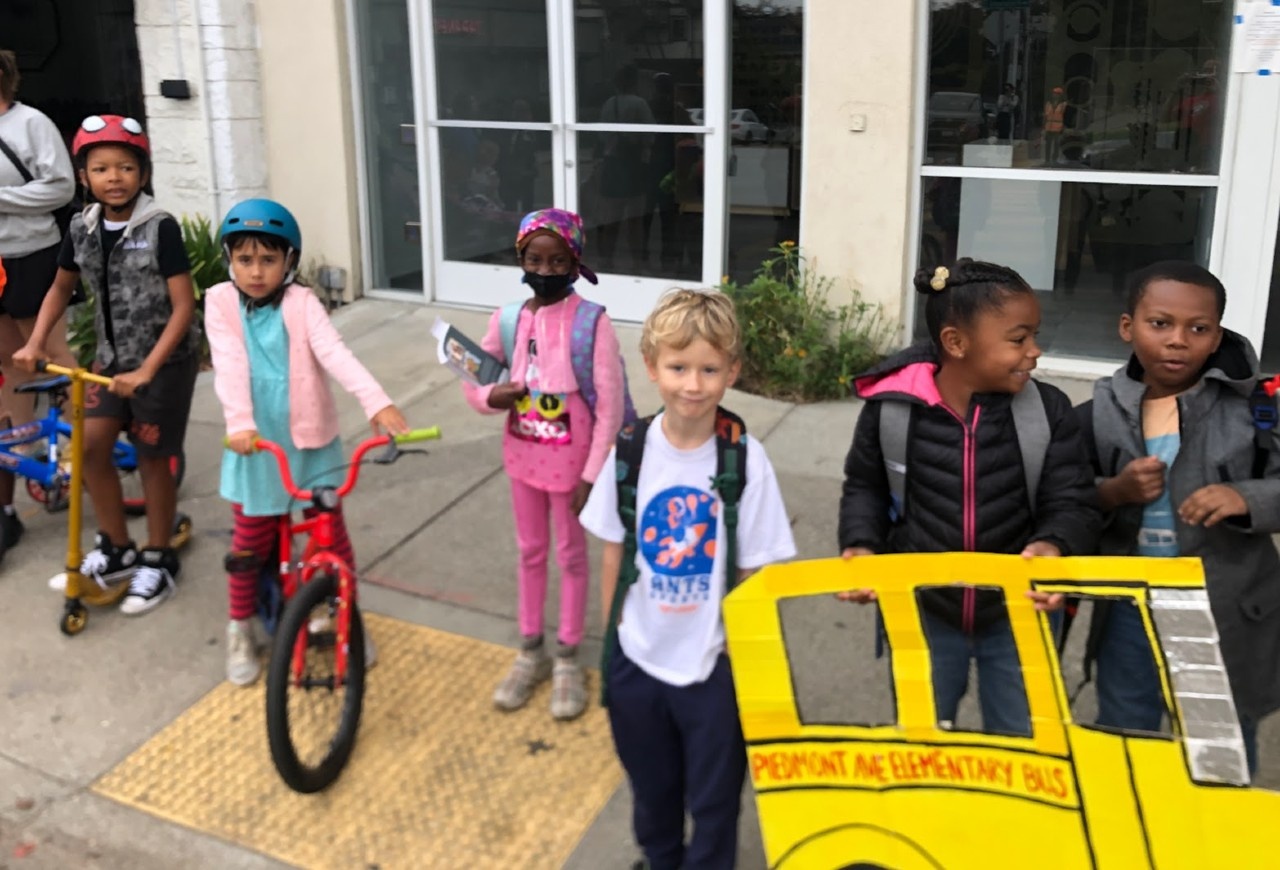
On Oct. 8, students and families at Piedmont Ave. Elementary School participated in National Walk and Ride to School Day. |
|
Good News on Vaccination Clinics |
|
In my four years on the Board, one thing that has always struck me as odd is that sometimes I will receive a thousand emails criticizing a decision I have made, which have less impact on me than one email with a good question. A year ago, a Peralta Elementary parent emailed me to ask, whatever happened to the Shoo the Flu vaccine clinics that used to happen at all elementary schools? I followed up and was shocked to find that Shoo the Flu ended just before the pandemic in 2019, and despite the urgent need to address post-pandemic vaccine hesitancy, especially in a city like Oakland struggling with urgent health disparities, the county was offering mobile vaccine clinics to only a dozen of our elementary schools in 2023-24. I complained and also wrote a resolution that our Board passed unanimously last year calling for more clinics. I’m not sure if it was my advocacy or that of like-minded individuals in the Alameda County Public Health Department (ACPHD), but the program has grown to serve 36 Oakland schools this school year, focusing on those in the lowest-income ZIP codes. Since my likely successor is a nurse, I’m pretty confident my advocacy will continue on her watch, and Oakland Unified will keep working with ACPHD to grow the child vaccination program further into the future. |
|
If you support the work of Measures G or G1, please join us at the celebration at UPA next Tuesday from 5:00 to 7:00—please RSVP at this link. |
|
October 29: Measure G/G1 Celebration |
|
We are very lucky in Oakland that voters have approved three current parcel taxes to support our schools. I was instrumental in the campaign for Measure H in 2022 (renewing Measure N, which originally passed in 2014), but the other two, Measure G which passed in 2008, and Measure G1 which passed in 2016, are not as well known. Measure G is used among other things to fund school libraries for all ages, Oakland Athletic League sports teams for middle and high school students, and music and art classes for elementary-aged students. Meanwhile, Measure G1 is focused on middle schools, specifically arts, music and world language electives, and culture and climate initiatives like restorative justice. By law, each parcel tax has an associated oversight committee, but during the pandemic, the ones for Measures G and G1 suffered from great attrition, and were down to only five members between the two of them, out of a total of twelve seats. As Board president, it’s my prerogative to make appointments to the committees, and I’ve now filled six vacancies for Measure G and three for Measure G (as a couple of the stalwart members cycled off). To appreciate the new (and continuing) committee members, and to give them a taste of the importance of their work as volunteers, I’m organizing a Measure G/G1 Celebration next Tuesday, October 29, at Urban Promise Academy (UPA). There will be student performers, a gallery of student artwork and photos, and plenty of appetizers, to lift up not only the committee members but also all the school site and district staff and teachers who support this important work. |
|
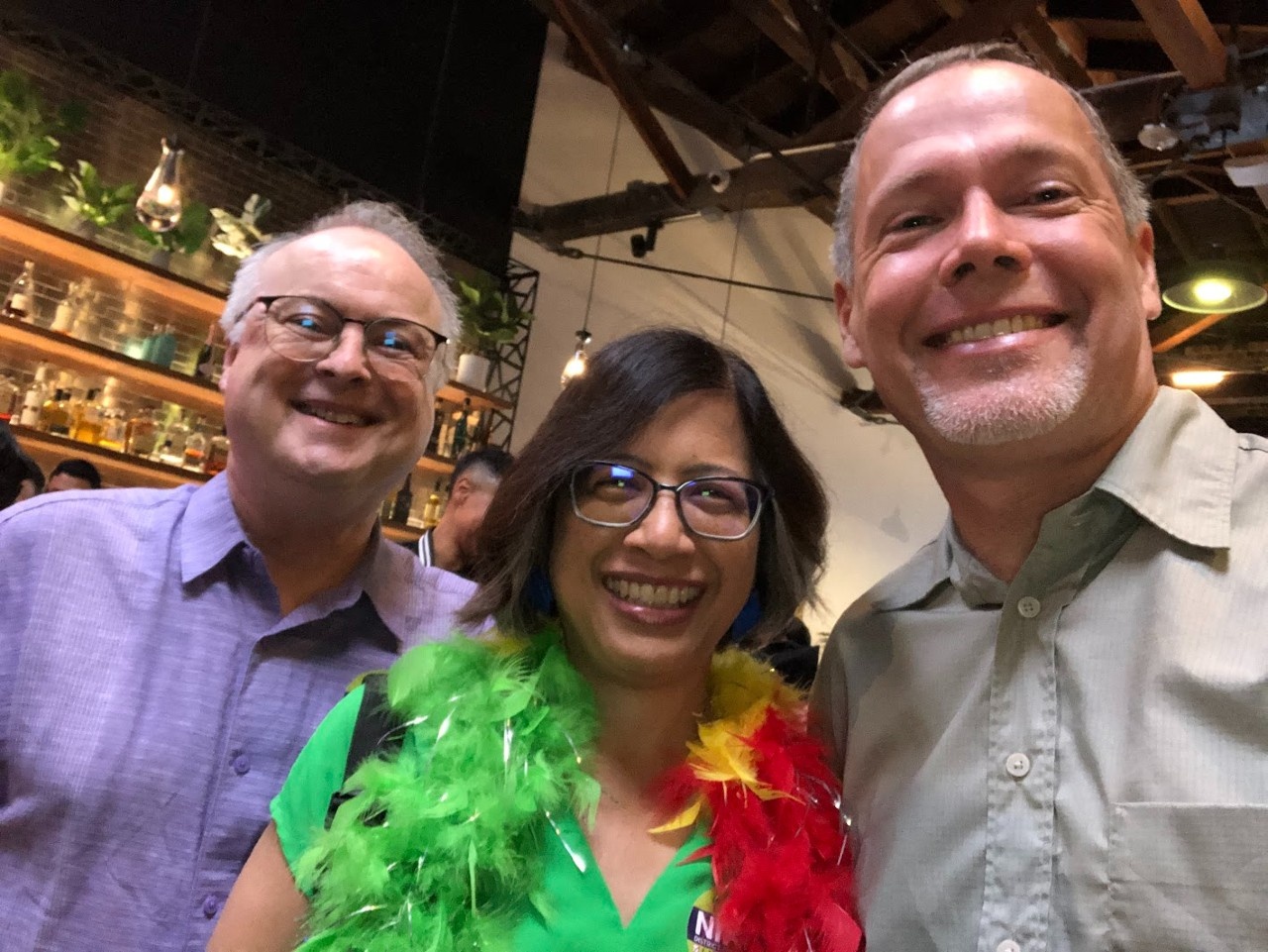
I strongly recommend Nikki Fortunato Bas for Supervisor on your Nov. 5 ballot. The County has tremendous resources, and she will fight to make sure Oakland gets our equitable share. (Photo with her husband Brad Erickson at Oakland’s Pride celebration.) |
|
samdavisforoaklandschools.org is paid for by Davis for Oakland School Board 2024, FPPC #1464418. It is not sponsored by or hosted by the Oakland Unified School District. |
|
|
| |
|
|