͏‌ ͏‌ ͏‌ ͏‌ ͏‌ ͏‌ ͏‌ ͏‌ ͏‌ ͏‌ ͏‌ ͏‌ ͏‌ ͏‌ ͏‌ ͏‌ ͏‌ ͏‌ ͏‌ ͏‌ ͏‌ ͏‌ ͏‌ ͏‌ ͏‌ ͏‌ ͏‌ ͏‌ ͏‌ ͏‌ ͏‌ ͏‌ ͏‌ ͏‌ ͏‌ ͏‌ ͏‌ ͏‌ ͏‌ ͏‌ ͏‌ ͏‌ ͏‌ ͏‌ ͏‌ ͏‌ ͏‌ ͏‌ ͏‌ ͏‌ ͏‌ ͏‌ ͏‌ ͏‌ ͏‌ ͏‌ ͏‌ ͏‌ ͏‌ ͏‌ ͏‌ ͏‌ ͏‌ ͏‌ ͏‌ ͏‌ ͏‌ ͏‌ ͏‌ ͏‌ ͏‌ ͏‌ ͏‌ ͏‌ ͏‌ ͏‌ 
Is this email not displaying correctly? View it in your browser.
Environmental Law Foundation Logo

ELF Newsletter

Summer 2024

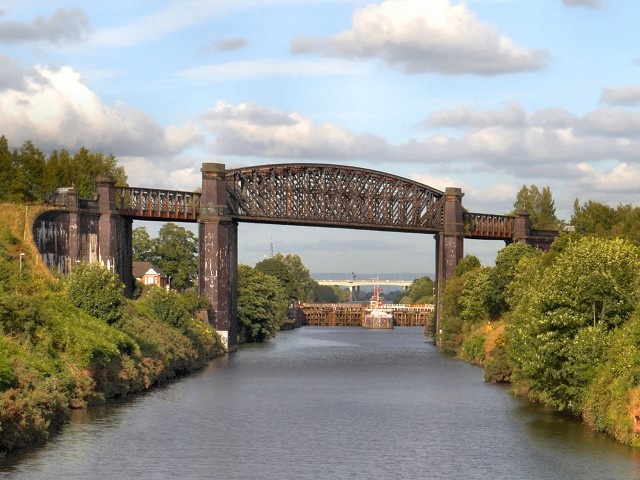
In this summer’s newsletter we will be reporting and marking the landmark environmental case, in which ELF intervened, the Manchester Ship Canal Company Ltd v United Utilities. We waited 16 months for the judgment; idle chatter speculated that we were waiting so long because the judges did not agree. As it turns out it was a unanimous decision of the seven judges. For the potential nuisance and trespass claims that follow, against water companies for illegal sewage discharge, evidence will be key. More on this later.


The other reflection to be made this summer is the growing drum beat of alarm over the missing insects from our environment and nature spaces. We know insect numbers have been in massive decline but this year has been stark. Walking in the South Downs National Park I have been struck again and again by their literal absence, not explained away simply by the inclement weather. The diversity of the insect world, staggering beyond imagining, it was the beetles that Darwin reflected must be the most beloved of all God’s creatures, such was their diversity. But beset by a multitude of devasting impacts wrought by humans, combinations of poisons unbounded on much of our agricultural lands, climate change, habitat loss, unsympathetic development, an increasingly electrically lit world, it feels like the start of the end. I read today that bat numbers are down this year, juveniles found malnourished. It doesn’t take much to work out the links.


And yet despite the nature crisis, at ELF we see so much development proposed on our most important and protected nature spaces. The Crossness Nature Reserve, a major infrastructure project for a carbon capture storage plant, proposed to be built on 6 hectares of amazingly diverse grazing marsh, a nature reserve in Belvedere where ancient grazing rights are held by the local gypsy and traveller community. The natural and cultural capital of these places are not ours to lose. Nature has a right to exist and thrive, we need to be giving nature more space, not taking it away.


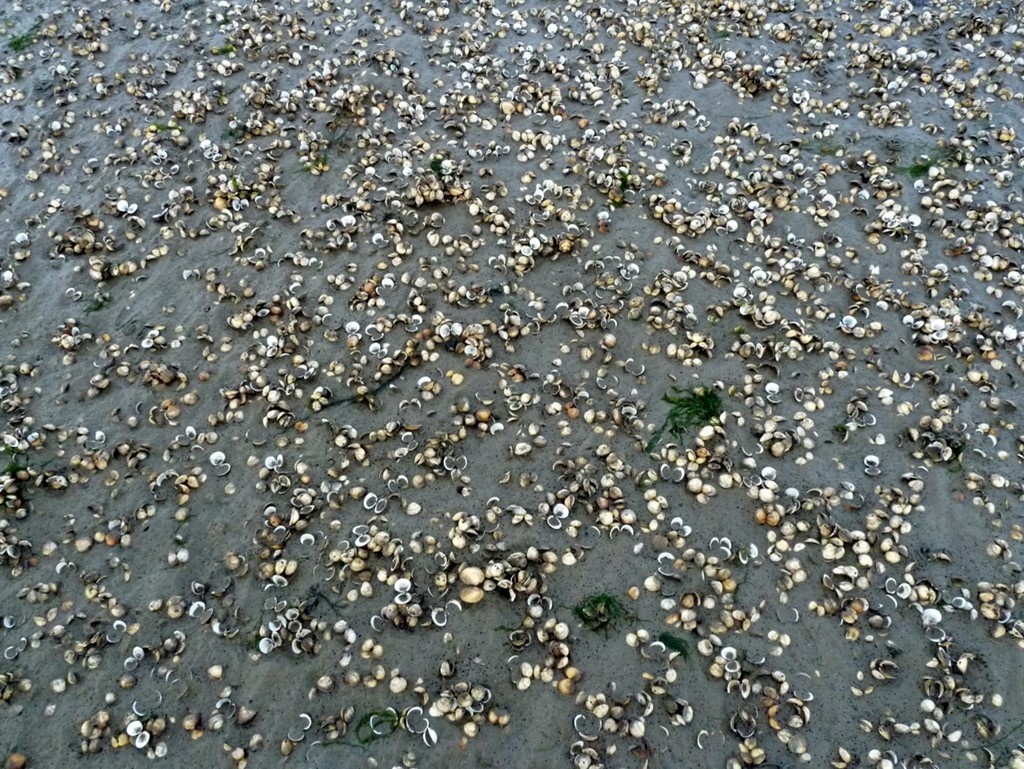
Another matter, so tragic and heartbreaking it is beyond reckoning, the cocklepickers of Bury Inlet in Wales. Sustainable cocklebeds hand picked by licence and cultural care for centuries, a thriving local economy exporting cockles all over the world... the cocklebeds now dying, mass mortality events, a local economy destroyed, social and cultural history extinguished, the cockles swilled in sewage cannot survive and thrive. And yet the communities behind both these matters are strong and capable and determined. As ever at ELF the communities fighting for their nature are the inspiration our small team works with.


And so the fight for nature intensifies. Those who can do more to assist the communities on the front line of local nature recovery, must. Not only does ELF help these communities, we also support and encourage the environmental rights lawyers of the future. In this most quiet of summers, absent insects, I take heart from an amazing entomologist I met, Dr Lynn Dicks, who works at Cambridge University; she said to take heart, nature bounces back “pretty forcefully” if you give it a chance. We have to give nature a chance, our survival as a species depends on it. Lest we forget we are part of nature, not separate from it.
Mass mortality of cockles, Bury Port Wales

Mass mortality of cockles, Bury Port Wales

Recent Updates

Image description

Manchester ship canal company wins water firm sewage appeal

ELF had a significant victory in July when the Supreme Court handed down judgment for The Manchester Ship Canal Company Ltd v United Utilities Water Ltd. ELF intervened in this case with assistance and support from a fantastic legal team at Hausfeld, the Good Law Project and barrister support from Stephen Hockman KC and Tom Cleaver of 6 Pump Court.


The case in question was an appeal which formed part of a 14 year long period of litigation about the discharges of foul water contaminated with untreated sewage into the Manchester Ship Canal. This is a problem ELF sees across the country in all of our waterbodies from rivers, chalk streams, to lakes and coastal shores and beyond. ELF has seen that, time and time again the legal protections in this area are inadequate.

Image description

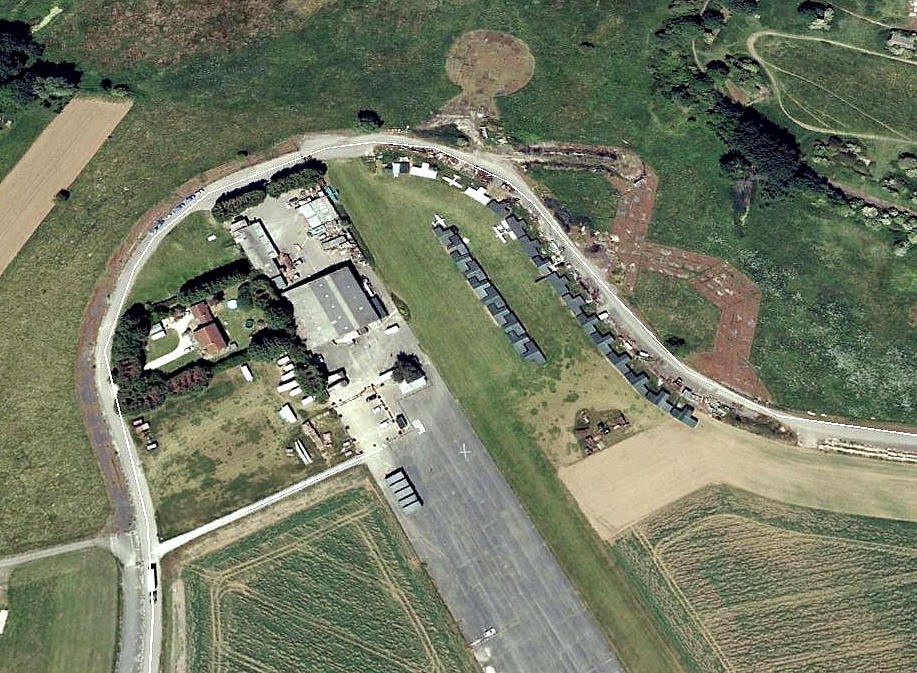
Soil Stockpiling Polluting SSSI’s in Somerset

ELF was contacted by a former Parish Councillor and current Vice-Chair of Westonzoyland Parish Council who, alongside the rest of the Parish Council, has been very concerned about waste processing and soil stockpiling activities on the Westonzoyland airfield site in Somerset.


This airfield is surrounded by Sites of Special Scientific Interest (SSSIs) which are part of the Somerset Levels. The operations are introducing large amounts of foreign polluting substances into the area, which can then easily enter local ecosystems and cause issues such as excess nutrient enrichment, which gradually worsens the condition of the habitats and impacts the creatures that rely on them. There are also health impacts on local residents who have been largely ignored as activity increases and planning applications are approved.


Image description

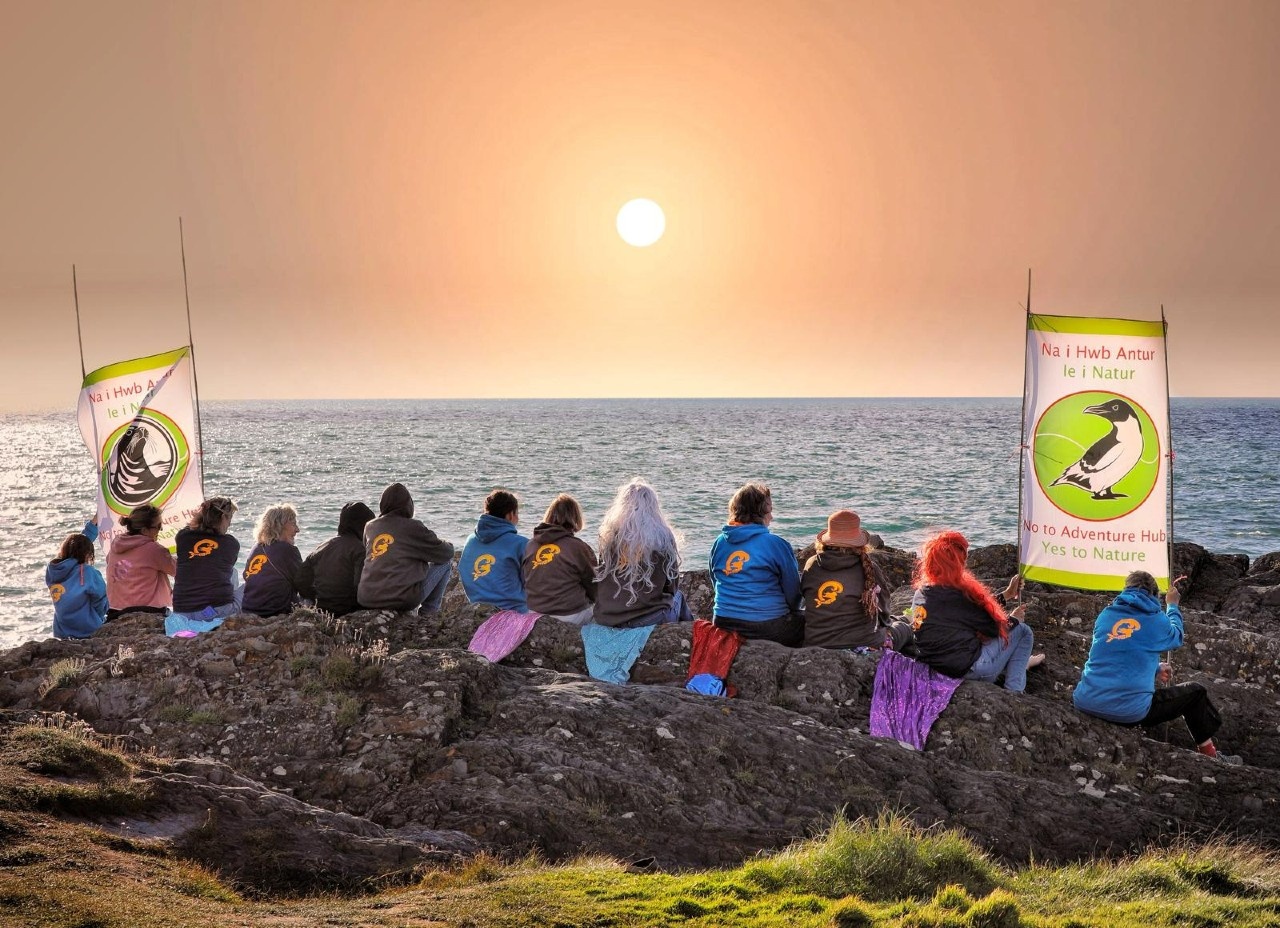
Adventure Sports Disturbing Nesting Birds in Wales

ELF was contacted by a member of a community living in Pembrokeshire, the Welsh County famous for its beautiful and wild coastlines.


They have had ongoing concerns about the remote and scenic Ceibwr Bay and the increasing disturbance to the nesting seabirds from recreational activity around the bay. The spot is a popular destination for coaststeering, kayaking but is also home to a diverse array of wildlife such as grey seals, otters and several species of endangered birds.


Despite the site being designated as a Special Area of Conservation and a Site of Special Scientific Interest, due to a lack of restrictions on tourist activities, adventure activities such as coasteering frequently disrupt the habitats of protected marine animals and cause disruption to nesting birds.


Nominate ELF for the Charity Heroes Award

Image description

How the £1,000 draws work:

  • Nominations are accepted between Jan 1st 2024 – 19 Dec 2024.
  • During this time anyone can nominate their favourite charity or charities for an award of £1,000 – it’s one nomination per charity, per person.
  • There are six £1,000 draws in 2024, so the earlier you nominate, the more chances your charity has of being drawn.
  • Once you’ve nominated, your charity will be included in all the remaining £1,000 draws in 2024.
  • The more nominations a charity gets, the better their chances of being drawn, so once you’ve nominated please share with your network.
Nominate us here

LATEST BLOGS

Image description
THE DISPROPORTIONATE IMPACT OF AIR POLLUTION ON MINORITIES AND POOR COMMUNITIES

Air pollution is not just an environmental issue; it’s a social justice crisis. In the UK air pollution disproportionately affects the most deprived communities and ethnic minorities. A report from June last year underscores the stark differences in air quality between London’s wealthiest and poorest areas, revealing that Black, Asian, and diaspora immigrant communities are the most exposed to toxic air.


Read ➔

Image description
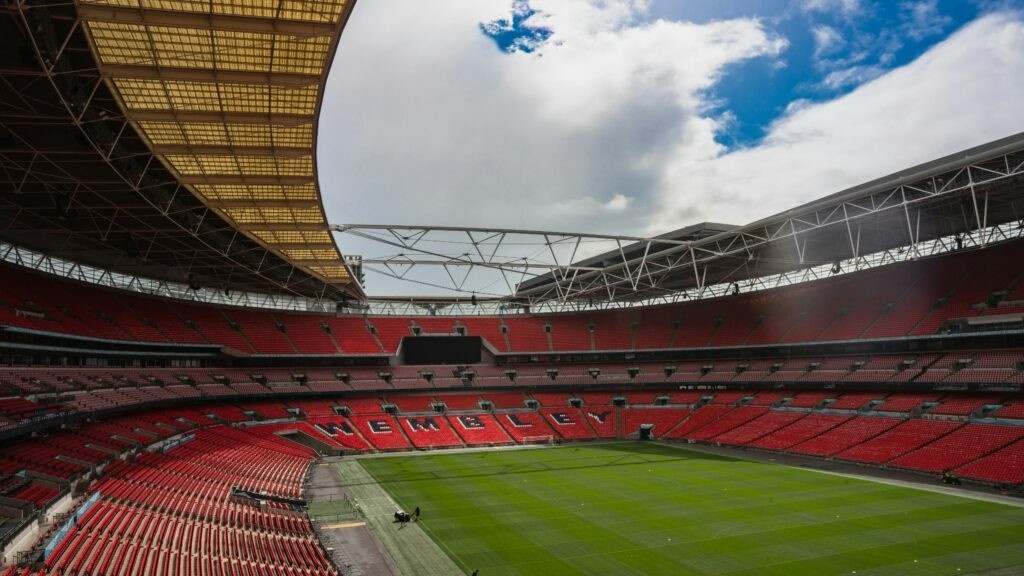
ARE FOOTBALL CLUBS A THREAT TO NATURE AND GREENWASHING THEIR SUSTAINABILITY EFFORTS?

Football, the most beloved sport in the UK, is increasingly finding itself at odds with nature. Recent controversies surrounding new training grounds and facility expansions by prominent football clubs like Brentford FC and Tottenham Hotspur have highlighted the environmental repercussions of these projects. While clubs often tout their sustainability efforts, there is a fine line between genuine environmental stewardship and greenwashing.

Image description
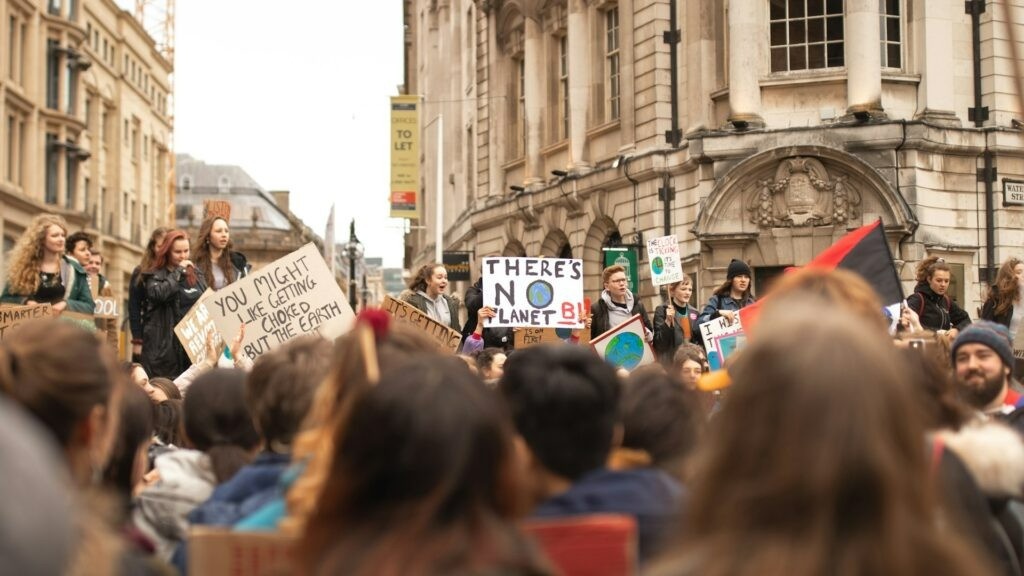
THE UK’S CHILLING CRACKDOWN ON ENVIRONMENTALISTS

In recent years, the United Kingdom has witnessed a disturbing trend: the erosion of the fundamental right to protest, particularly when it comes to environmental and climate activism. Around 120 climate activists have found themselves behind bars as of February this year, a stark reminder of the challenges faced by those advocating for a healthier planet. Successive laws passed by conservative governments have introduced new offenses, effectively stifling the voices of those fighting for environmental justice.

Image description
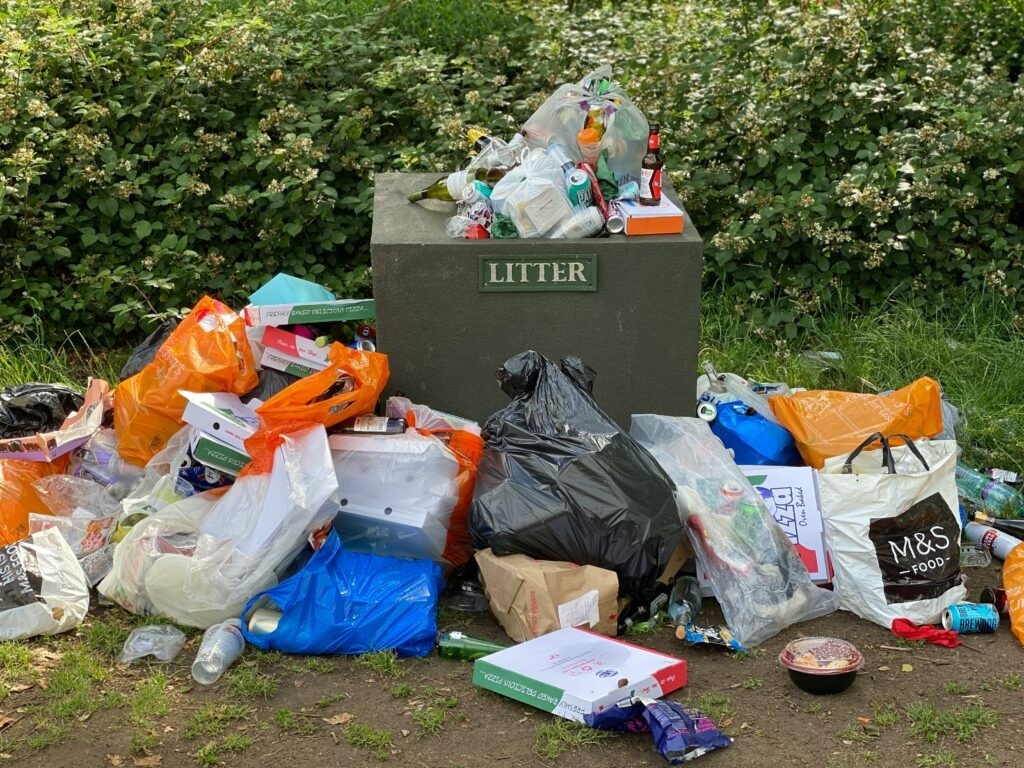
THE UK’S DUTY TO END PLASTIC POLLUTION AT HOME AND ABROAD

The UK produces more plastic waste per person than any other country and a substantial portion of it is exported abroad. Shockingly, investigations by Greenpeace have uncovered British plastic waste being dumped and burned in countries like Turkey, causing serious health issues for nearby communities. In fact, the same report says the amount of plastic pollution the UK sends abroad is equivalent to three and a half Olympic swimming pools every single day.

University Network

Image description

Universities in the ELF network offer a range of opportunities for students to get involved in our work under our 'Young ELF' programme.


The legal clinics have continued their work on a variety of cases referred from ELF. While most will involve one-off pieces of advice, some cases can be much more involved. You can read an article by a student at the KCL legal clinic about one such case, concerning methane emissions from the Singleton oilfield in the South Downs, here.


Reports from this year's policy clinics research on two projects, the Environmental Outcomes Reports proposals, and mapping of ecological protections along the River Ouse, have fed into ELF's ongoing work. Plans are currently being made to continue our Rights of Nature policy clinic research in the forthcoming academic year and we will be contacting the universities with more details on this very soon.


We are always open to new collaborations, so if your university is not currently part of the ELF network, do reach out.

Do you want to have your say to influence water quality in Wales?

Image description

The Future Generations Commissioner for Wales, Derek Walker, has announced that he is working alongside the Interim Environmental Protection Assessor for Wales, Dr Nerys Llewellyn Jones, who has issued a Call for Evidence on water quality.   


The Interim Environmental Protection Assessor for Wales oversees the functioning of environmental law in Wales and provides independent advice to Welsh ministers to improve environmental outcomes. 


The findings of the review will be used to set recommendations for Welsh Ministers, to inform how Wales can improve its laws to reduce pollution and protect our environment and people’s health. 


Climate and nature is a priority in the Commissioner’s seven-year strategy, Cymru Can. Part of his role is to challenge public bodies including Welsh Government to act now in the interests of current and future generations, and to work together to prevent problems occurring. 


The Commissioner said: “We know our waterways are in crisis.  The laws and regulations relating to water quality are complex - Wales has its own environmental legislation, a different regulator and a not-for-profit water company. It’s time to review how these laws are working”.   


“From walkers to swimmers, to anybody worried about water quality and the future of nature and our wildlife, I urge people to share their lived experience as part of this Call for Evidence, along with their observations, concerns and ideas about how the law could be improved. 


Evidence can be submitted via the following questionnaire until Monday, August 5, 2024. Alternatively, you can e-mail your views about water quality in Wales, to [email protected] with the heading “Water quality evidence”. 

Books you may like

Image description

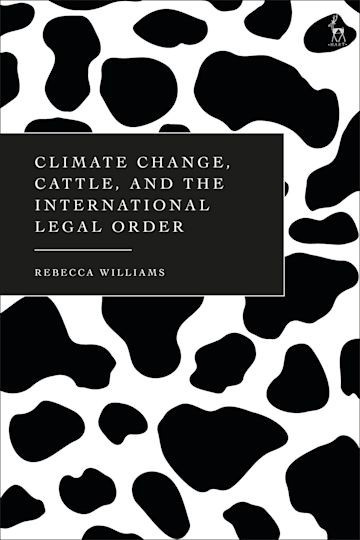
Climate Change, Cattle, and the International Legal Order

Rebecca Williams


Livestock food systems need to be rapidly rethought to tackle the global climate crisis. This book examines how climate concerns for the livestock sector are governed in international law and addresses the sector’s inclusion or (lack thereof) across the international governance of climate change, agriculture, forests and trade.


The book is a key text for all those with an interest in the legal governance of climate change and agriculture, adding to the timely debate of the future sustainability of the global diet and the relationship between affluence and climate change.


Rebecca Williams is Lecturer in Environmental Law at Glasgow University, UK.


Image description

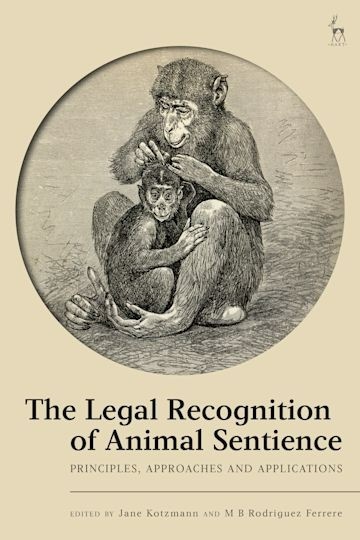
The Legal Recognition of Animal Sentience

Principles, Approaches and Applications

Edited by Jane Kotzmann and M B Rodriguez Ferrere


This book explores the movement towards the recognition of animal sentience in the law. It explores some first principles underpinning the recognition of animal sentience, including the nature and scope of sentience provisions, the connection between sentience and empathy, drafting issues, and the relationship between sentience recognition and animal rights. The book highlights the operation of animal sentience provisions in several jurisdictions throughout the world and considers sector-specific applications and limitations of animal sentience recognition.


This collection is an essential read for both practitioners and academics alike, as well as any group seeking to advance the interests of non-human animals.


Jane Kotzmann is Alfred Deakin Postdoctoral Research Fellow at the School of Law, Deakin University, Australia.

M B Rodriguez Ferrere is Associate Professor at the Faculty of Law, University of Otago, New Zealand.


Image description

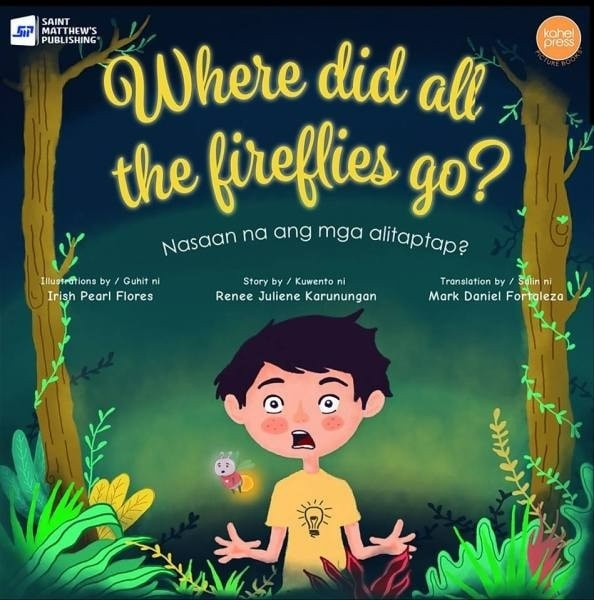
Where Did All the Fireflies Go?

by Renee Karunungan


Tonyo and Ningning are best friends. One day, Ningning and the other fireflies decide to leave the town to find a better place to live in. Will Ningning and Tonyo meet again?

“Where Did All the Fireflies Go?” was listed as part of National Geographic’s Recommended Summer Reading List in 2020 that can help children explore the world through reading.

A children's book written by ELF's Development and Communications Officer, "Where Did All the Fireflies Go?" explores the relationship between nature and people.

We rely on donations from people like you. Consider donating 

Donate here

Environmental Law Foundation

[email protected]

The ELF Telephone Helpline 0330 123 0169 is kindly supported by the Client Services Team at Irwin Mitchell Solicitors

Copyright © 2024 Environmental Law Foundation, All rights reserved


Environmental Law Foundation Logo
If you want to unsubscribe, click here.