͏‌ ͏‌ ͏‌ ͏‌ ͏‌ ͏‌ ͏‌ ͏‌ ͏‌ ͏‌ ͏‌ ͏‌ ͏‌ ͏‌ ͏‌ ͏‌ ͏‌ ͏‌ ͏‌ ͏‌ ͏‌ ͏‌ ͏‌ ͏‌ ͏‌ ͏‌ ͏‌ ͏‌ ͏‌ ͏‌ ͏‌ ͏‌ ͏‌ ͏‌ ͏‌ ͏‌ ͏‌ ͏‌ ͏‌ ͏‌ ͏‌ ͏‌ ͏‌ ͏‌ ͏‌ ͏‌ ͏‌ ͏‌ ͏‌ ͏‌ ͏‌ ͏‌ ͏‌ ͏‌ ͏‌ ͏‌ ͏‌ ͏‌ ͏‌ ͏‌ ͏‌ ͏‌ ͏‌ ͏‌ ͏‌ ͏‌ ͏‌ ͏‌ ͏‌ ͏‌ ͏‌ ͏‌ ͏‌ ͏‌ ͏‌ ͏‌ 
Is this email not displaying correctly? View it in your browser.
Environmental Law Foundation Logo

ELF Newsletter

Autumn 2024

Image description
Image description
Image description
Image description

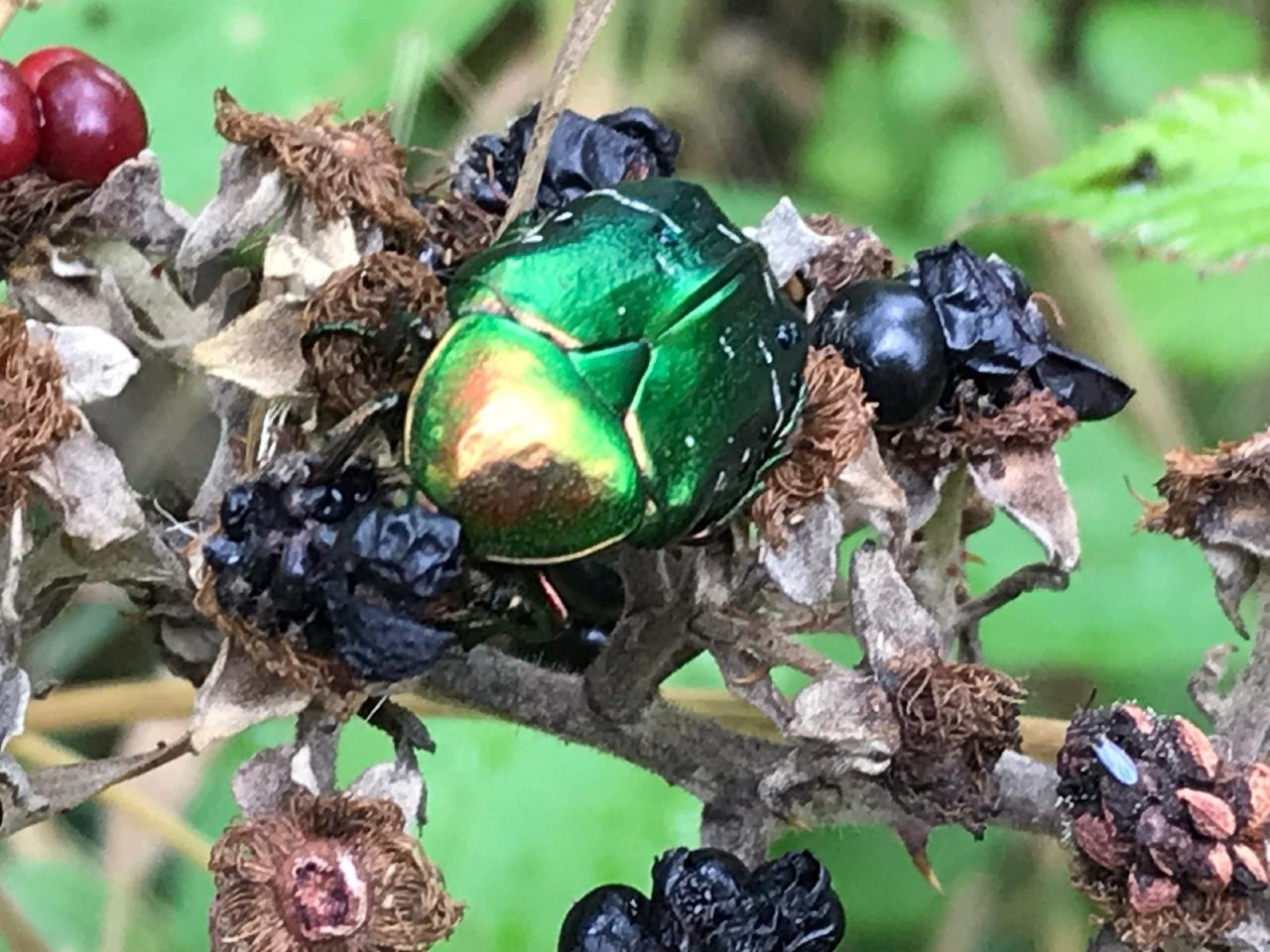
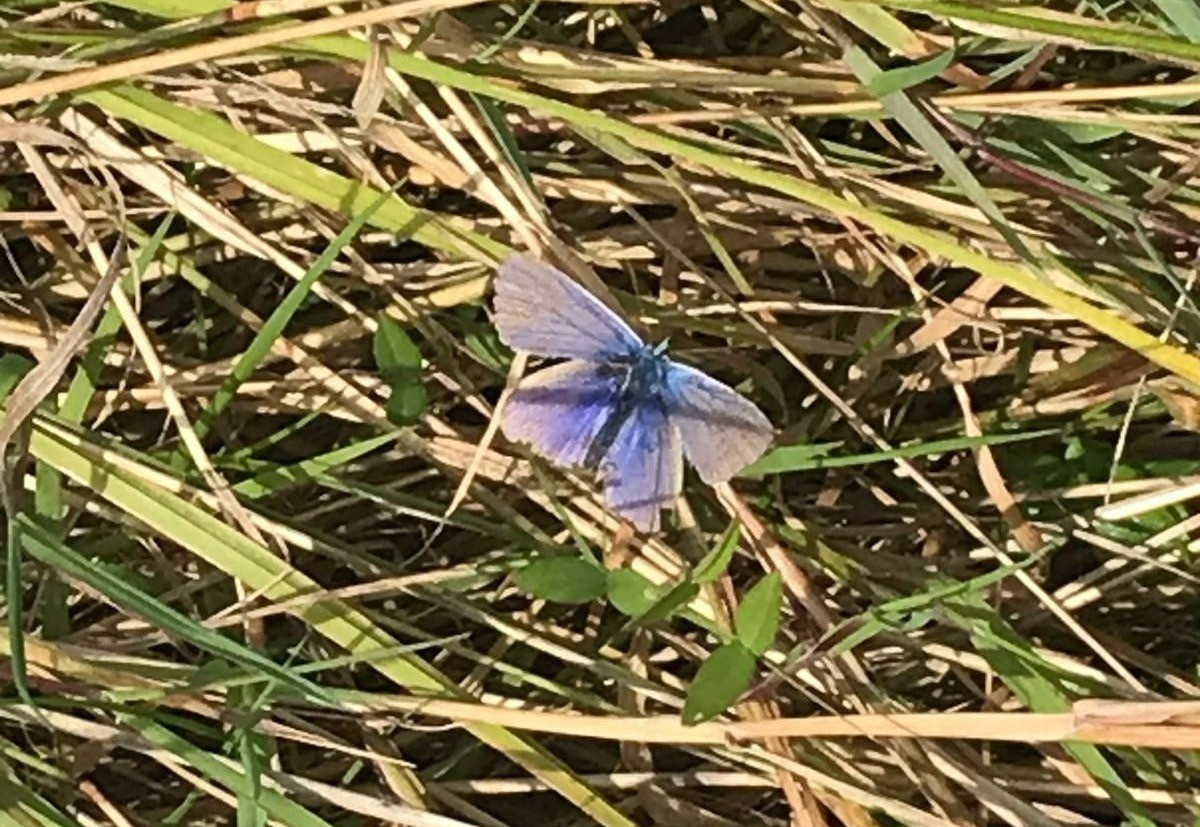
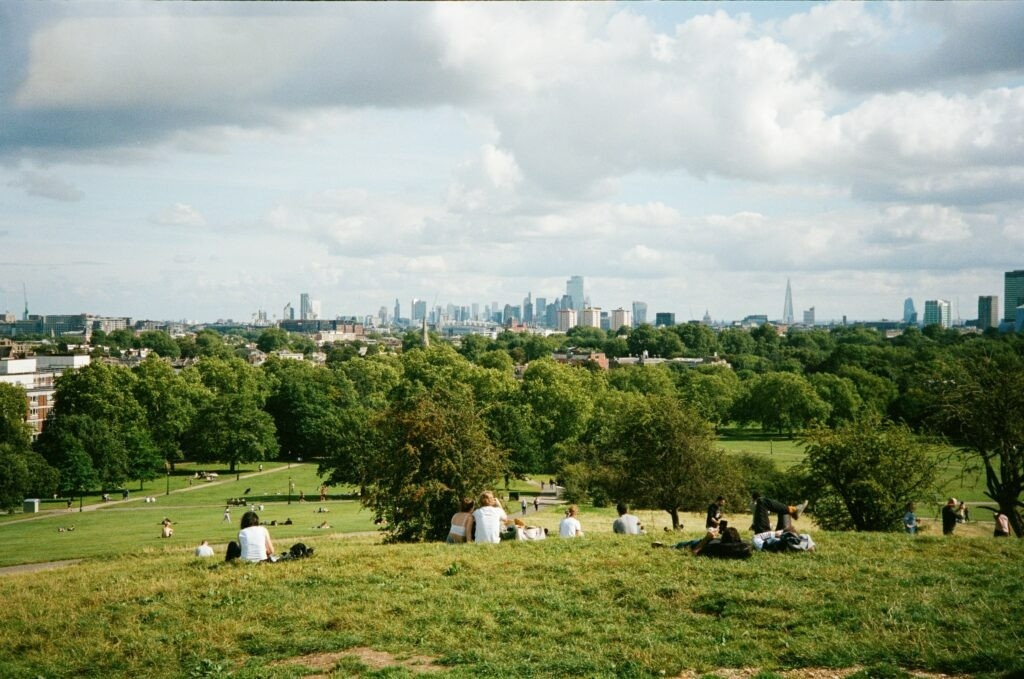
“Mists and mellow fruitfulness” come to mind in this time of seasonal transition. One of our favourite nature happenings this time of year is the flowering of the ivy plant. If you want to find insects, they are all there, bees, wasps, hoverflies, butterflies (although as we recently learned butterfly numbers have declined to the lowest number on record). It is a joyous gathering of winged creatures feasting on the ivy pollen. Sadly, the lack of understanding about our most wonderful invertebrates, despite the desperate crisis that they are in, shows no sign of abating. Last week whilst walking a favourite path, I was approached by a woman, warning me of a swarm of wasps being aggressive on the path. Intrigued, it transpired that what she had so feared, was just such a gathering of insects, on the ivy, occasionally whooshed into the path by the blustery wind, nothing aggressive. She had gone before I had time to allay her fears. Last Sunday I was again reminded of what our insects are up against, getting anyone to really care at their plight. Radio 5 live on Sunday morning was asking people for their worst insect experiences… and there was no shortage of the “yuck” factor on the air waves from both callers and presenters. I do find it hard to reconcile; the nature crisis that is evident to those who see it and completely invisible to the majority. Shifting baseline syndrome is a term used for the normalisation of nature loss through the generations. My children think it is completely normal for there to be no insect incursion when leaving a light on in the bathroom at night, not to be inundated by nocturnal flying insects coming in through the open window.

Thinner and thinner wears the cloth, however; moths pass out of sight, beyond belief, their absence briefly noted, if at all, as distant memory, half forgotten grief.

This is an extract from a poem by Robert Macfarlane, Moth. It recalls the grief of our shifting baselines.

But we try not to be discouraged, at ELF we continue to put communities, both human and non-human first in our endeavours to assist those who come to us. We are reporting this quarter on a couple of cases that we are working on with barristers giving their time for free, part of our wonderful professional membership.


Emma Montlake

Co-Director, ELF


Recent Updates

Image description

Gas-fired power plant and concrete crushing activity at an old quarry

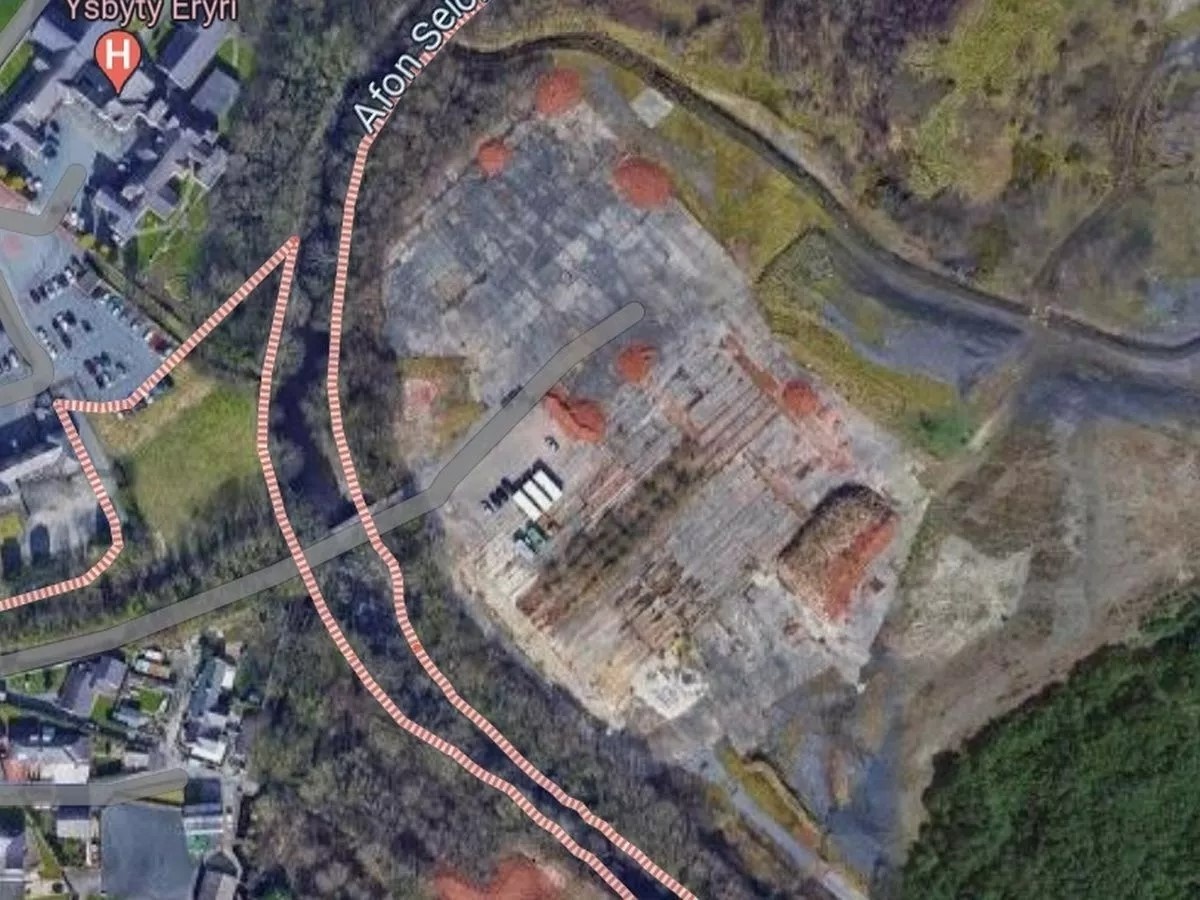
The enquirer came to us, concerned about two proposed developments, which will be located right next to each other; first, a 20 MW gas-fired power plant which will include 10 natural gas-fuelled engines and second, a concrete crushing facility at an old quarry at the former Seiont Brickworks near Caernarfon, Gwynedd. Though these are separate applications, the proximity will have a cumulative impact on the area. The purpose of the former is to provide back-up power when solar and wind outputs are low. Despite claims that this will assist the switch to renewable energy, alarm bells have been ringing in the local community due to the potential environmental impacts.

Image description
Save Minster Marshes

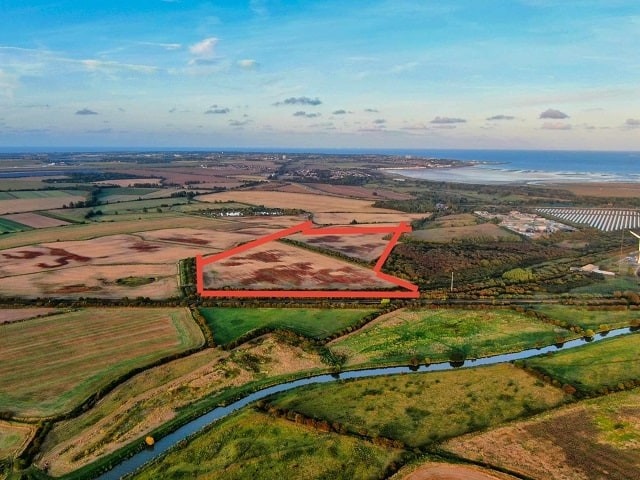
The enquirer got in touch with us regarding a proposal for a 26-metre high converter station and substation covering 9 hectares situated on the Nature Reserve of Minster Marshes in the Stour Valley, Kent. This station is part of a wider project by National Grid called Sea Link which aims at reinforcing the electricity network between Suffolk and Kent via a new, primarily offshore high voltage direct current link. It has been designed to increase the capability of the network to carry low-carbon and renewable energy.

Recent blogs

Image description
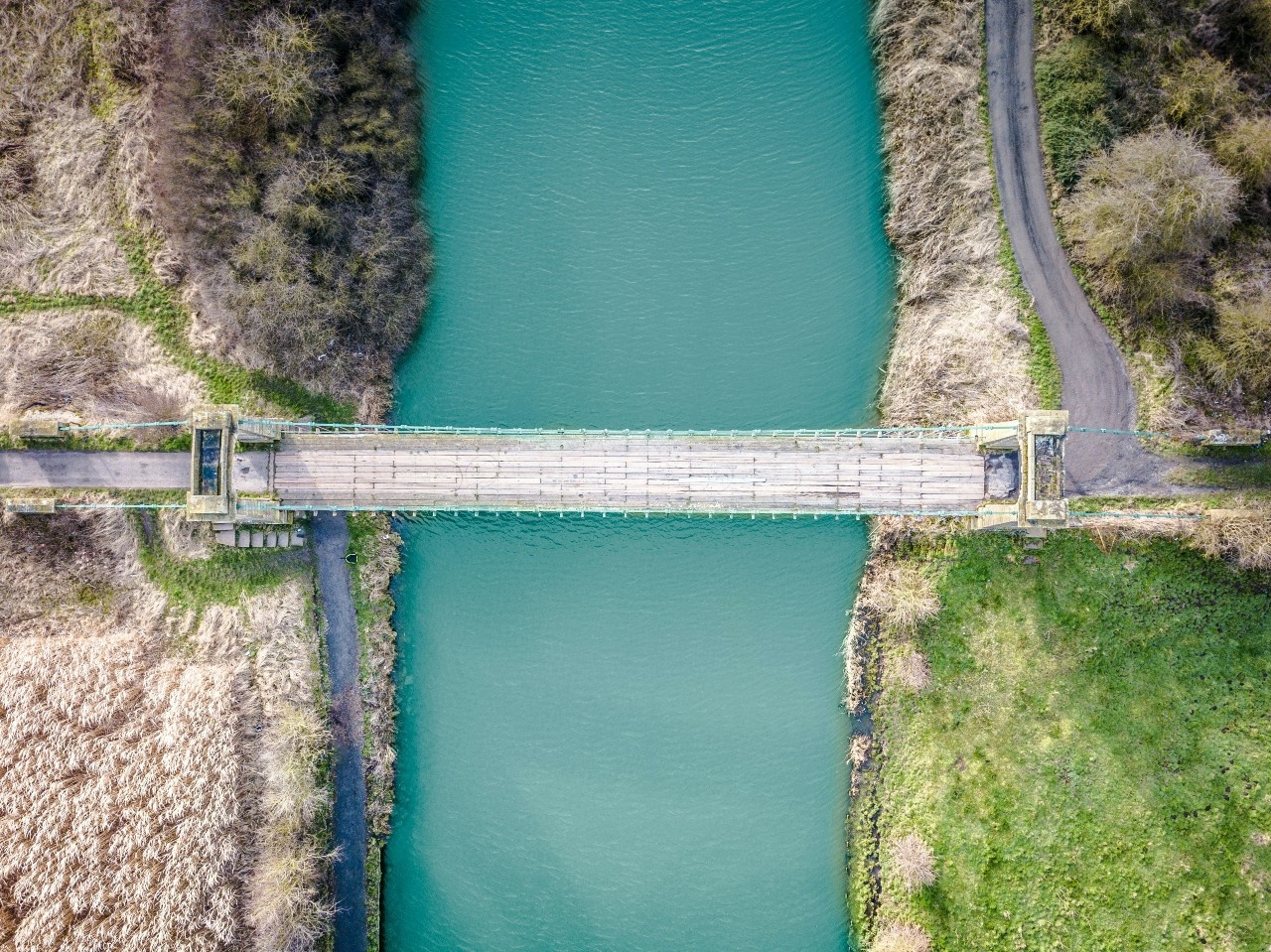
World Rivers Day: The UK’s Struggling Waterways
Image description
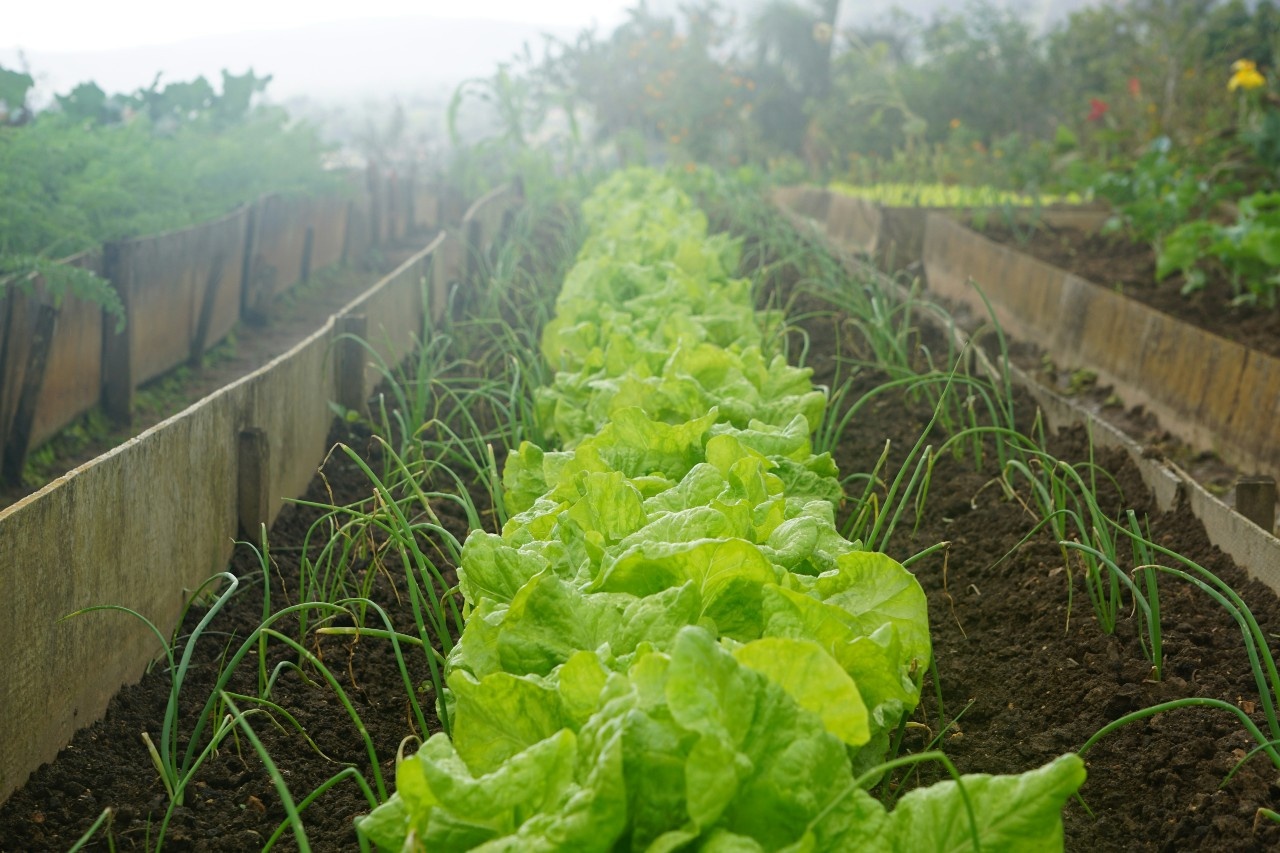
Celebrating National Allotments Week: A tribute to green spaces

Allotments offer numerous benefits that extend beyond gardening. They serve as a sanctuary for those seeking respite from the hustle and bustle of urban life, providing a peaceful retreat where individuals can connect with nature. According to Thrive, allotment gardening is an excellent way to improve physical health by engaging in regular, moderate exercise. Tending to a garden can significantly enhance cardiovascular health, strengthen muscles, and improve flexibility.


Read more and watch our special video with poet Neha Narne ➔

Image description

Celebrating Love Parks Week: Why we love parks

Parks act as natural filters, improving air and water quality while mitigating climate change impacts. They play a crucial role in urban ecosystems, offering a refuge for wildlife and contributing to biodiversity. A recent study by CPRE found that green spaces in poorer parts of England are more likely to be built on, threatening these critical ecological functions. Protecting our parks is essential for ensuring a sustainable future for all.

Image description
The role of youth in preserving/protecting nature

A guest blog by Harsh Sagar, GYBN UK Operations Officer

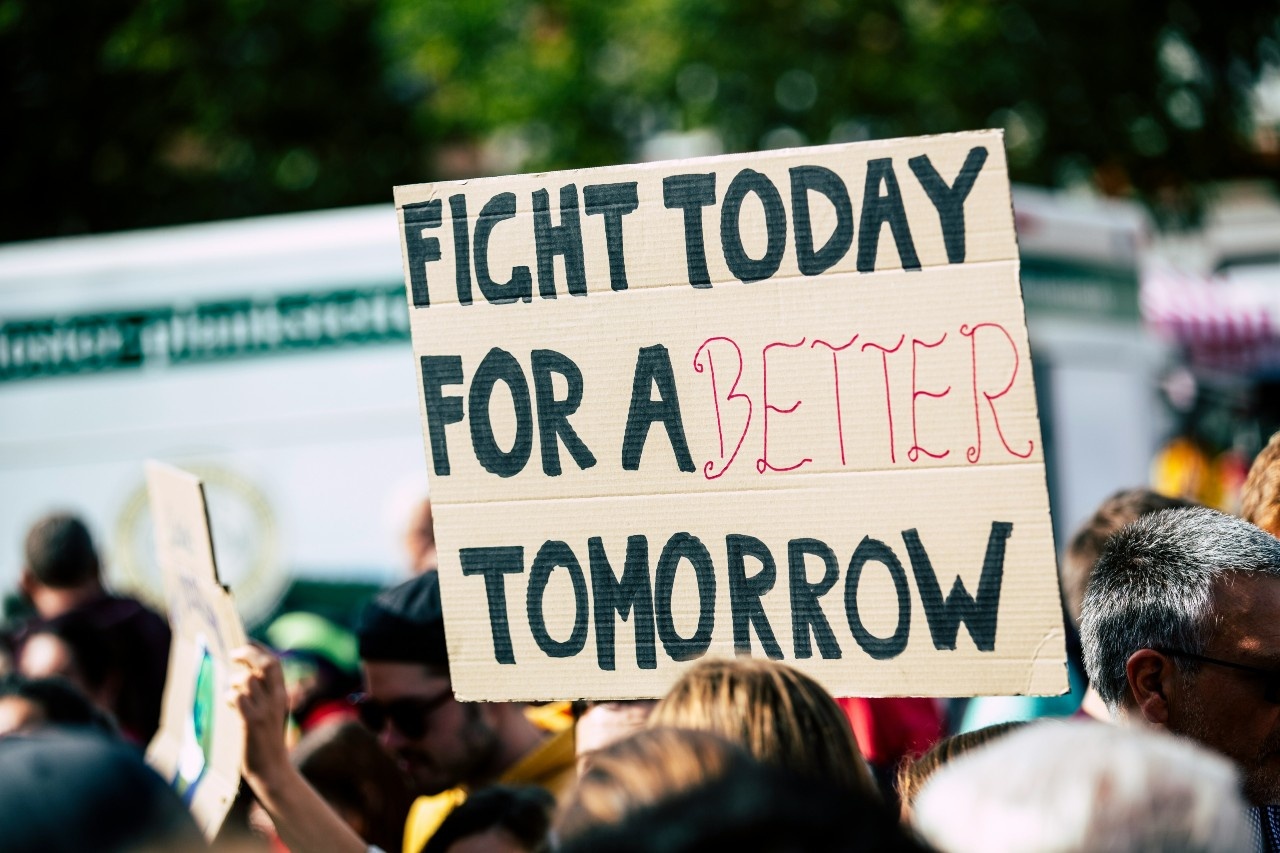
Ultimately, the role of youth in protecting nature is transformative and vital. Through innovation, advocacy, and collaboration, young people are leading efforts to build a sustainable future. Their collective action, driven by passion and resilience, is crucial in addressing environmental challenges and ensuring the preservation of our planet for future generations.

Image description
The Invisible Threat: Air pollution in the UK and the urgent need for action

The pervasive nature of air pollution in the UK is further evidenced by the fact that it frequently exceeds legal limits, particularly for NO2, leading to legal challenges against the UK government for its inadequate response. In fact, in 2021, the UK was found to have been in violation of legal air pollution limits for over a decade. After the ruling from the European Court of Justice, the UK government has been heavily criticised for its lack of action on air pollution, and there are concerns that the Office for Environmental Protection may not have the necessary power to enforce environmental regulations effectively.

ELF Member Spotlight

Image description

Alex Shattock is a barrister at Landmark Chambers specialising in environmental, public and planning law. He does a lot of work for green NGOs and campaigners, and has worked on cases involving climate change, pollution, habitats, pesticide regulation, environmental protests, and animal rights.

Image description

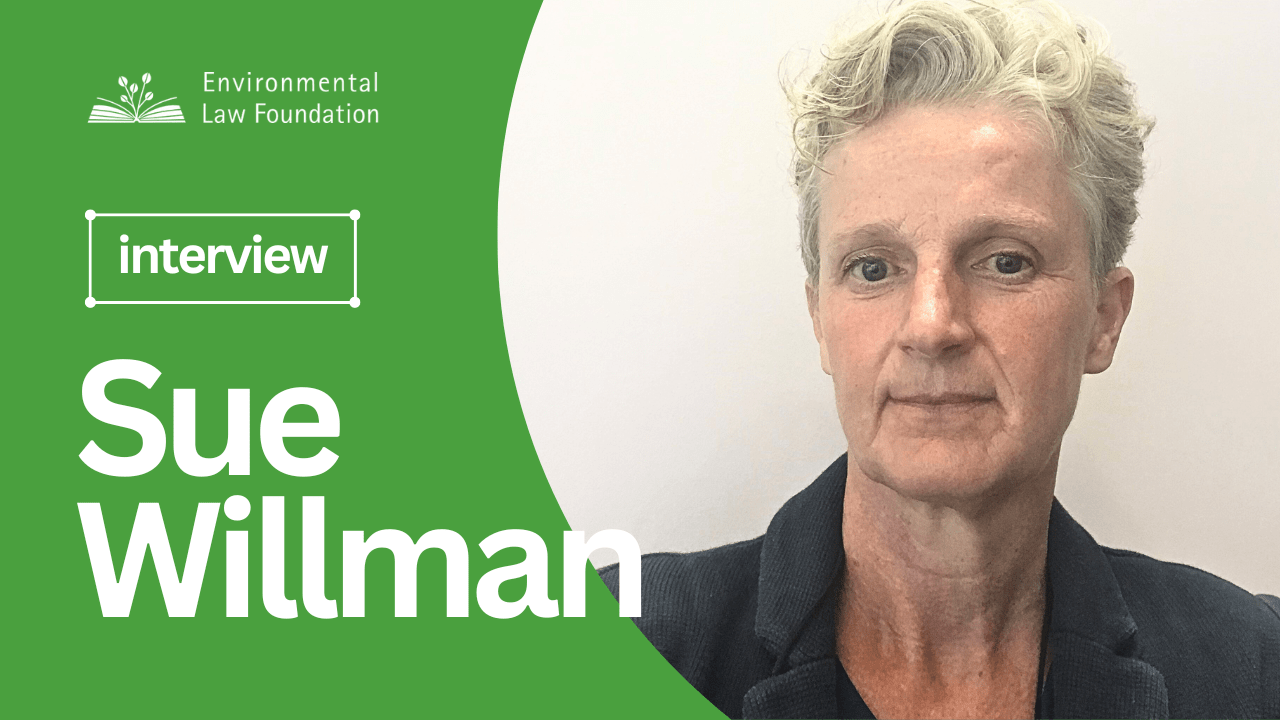
Sue is a senior consultant solicitor at public interest legal aid firm Deighton PIerce Glynn DPG law – UK civil rights and judicial review litigation firm. She is an Assistant Director and Lecturer at the King’s College, Legal Clinic, London where she has launched the UK’s only human rights and environment legal clinic Human Rights and Environment Clinic

University Network

Image description

ELF's university network continues to flourish offering a range of opportunities for students to get involved in our work via our 'Young ELF' programme. We are developing a good pipeline of enquiries for ELF's legal clinics and we have a growing number of universities establishing ELF policy clinics. These provide opportunities for longer-term empirical research stemming from ELF enquiries and feed in to our wider work.

For this academic year, we have one primary UK-wide ELF policy clinic research project. Taking the learning from our ongoing Rights of River work in Lewes, we will be researching legal and policy opportunities to introduce Rights of Nature at a local authority level across all the UK regions. Each clinic will focus on a particular local authority, reporting back to ELF in Spring 2025.

If your university is not currently part of ELF's network and you would like more information do get in touch

Watch this film

Image description

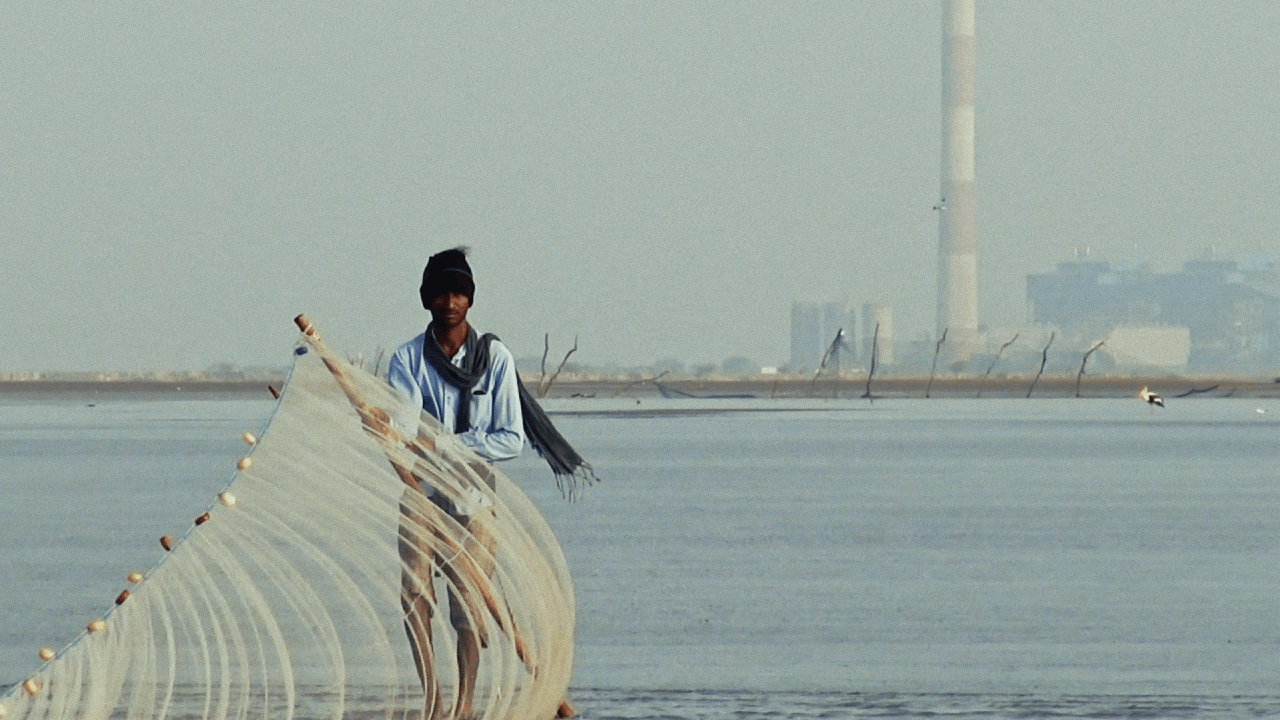
Filmed over a decade, The Fisherman and the Banker chronicles the struggle of a fishing community in India’s Gulf of Kutch who take on one of the world’s most powerful institutions, The World Bank Group, after it funded a coal-fired power plant on their coast.

ELF members can use the code DOC001 and select Voucher at the ticket checkout to receive a 25% discount off tickets


Screening on Sept 28, October 2, and October 3 at Bertha DocHouse London, WC1N 1AW

Read this book

Image description

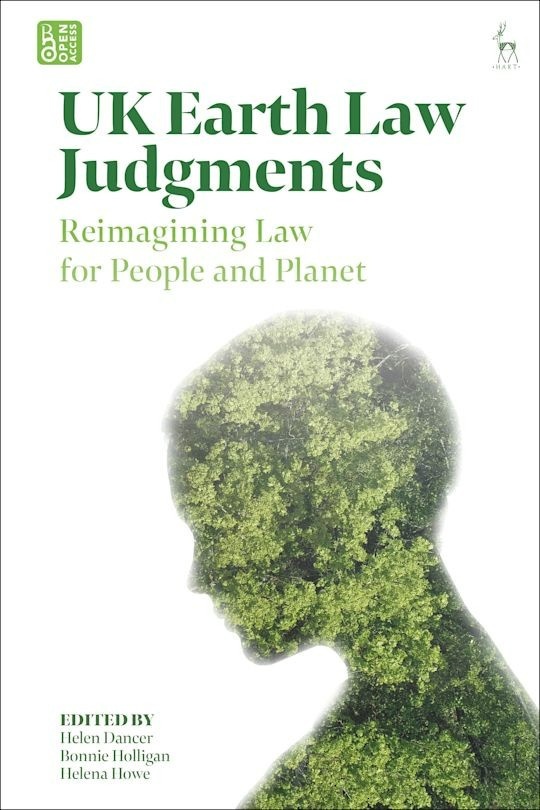
UK Earth Law Judgments

Reimagining Law for People and Planet

This open access book collects 11 reimagined judgments from the UK and challenges anthropocentrism in legal decision-making across a range of legal areas.

It draws from a range of Earth law approaches including rights of nature, animal rights, environmental human rights, well-being of future generations, ecocide, and reinterpretations of existing legal principles.

Editor Bonnie Holligan supervises Sussex University law clinic.

Environmental Law Foundation

[email protected]

The ELF Telephone Helpline 0330 123 0169 is kindly supported by the Client Services Team at Irwin Mitchell Solicitors

Copyright © 2024 Environmental Law Foundation, All rights reserved


Environmental Law Foundation Logo
If you want to unsubscribe, click here.