͏‌ ͏‌ ͏‌ ͏‌ ͏‌ ͏‌ ͏‌ ͏‌ ͏‌ ͏‌ ͏‌ ͏‌ ͏‌ ͏‌ ͏‌ ͏‌ ͏‌ ͏‌ ͏‌ ͏‌ ͏‌ ͏‌ ͏‌ ͏‌ ͏‌ ͏‌ ͏‌ ͏‌ ͏‌ ͏‌ ͏‌ ͏‌ ͏‌ ͏‌ ͏‌ ͏‌ ͏‌ ͏‌ ͏‌ ͏‌ ͏‌ ͏‌ ͏‌ ͏‌ ͏‌ ͏‌ ͏‌ ͏‌ ͏‌ ͏‌ ͏‌ ͏‌ ͏‌ ͏‌ ͏‌ ͏‌ ͏‌ ͏‌ ͏‌ ͏‌ ͏‌ ͏‌ ͏‌ ͏‌ ͏‌ ͏‌ ͏‌ ͏‌ ͏‌ ͏‌ ͏‌ ͏‌ ͏‌ ͏‌ ͏‌ ͏‌ 
Is this email not displaying correctly? View it in your browser.
Image description
Image description

                              Demeter Newsletter -- June 2024


Greetings from Demeter!


In this issue:  

+ News from the Field  

+ Standards Update:  Livestock Integration
+ Biodynamic Food Quality and Nutrition  

+ Update from the Members' Assembly in Poland  

+ Making Horn Silica      


Please send future newsletter content suggestions or questions to:   [email protected].

The Certification Season is Well Underway!


Please Note:  If you did not send your 2024 renewal application and payment you are risking loss of your certification!

Certificates expire at the end of June each year.


🔸🔸🔸🔸🔸🔸🔸🔸🔸🔸🔸🔸🔸🔸🔸🔸🔸🔸🔸


Look for a call or email from your inspector coming soon!


Our inspectors are on the road, visiting Biodynamic operations across the country.   


Thank you for your cooperation with the certification process!  

    If you have any questions please contact 

    Sarah Rhynalds at [email protected].


    Notes from the Field...

    Image description

    Why we Choose to Farm with Biodynamics

    By Gina Giugni

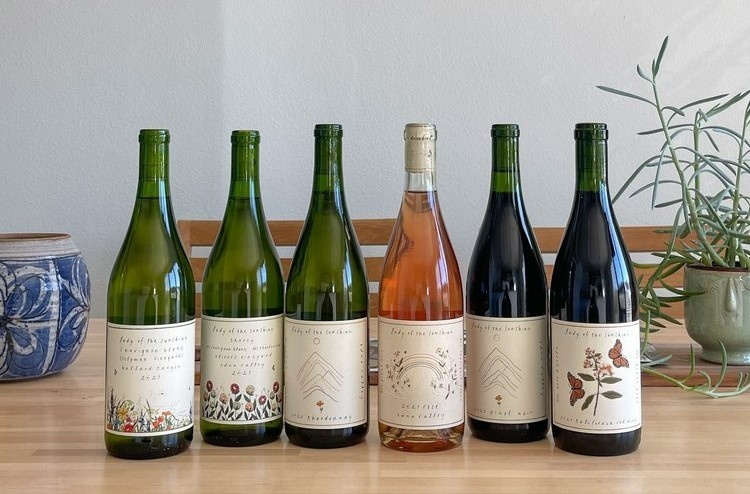
    Lady of the Sunshine Wines


    I grew up on my family's 92 acre Demeter certified biodynamic vineyard, Narrow Gate Vineyards, located in Pleasant Valley, a pocket within the El Dorado AVA of Northern California. As a self-taught first-generation farmer and winemaker, my father found biodynamics early on in his journey, as he was seeking a way of farming that would offer vitality, longevity, and security to our family as we worked and lived on the same property. Growing up on a biodynamic farm, I learned we must lean into mother nature to work with her, rather than against her. I learned to view the farm as one living organism, made up of interdependent elements including the soil, vines, plants, animals, microbial terroir, the people and the spirit of the place. The role of the farmer is to promote the vitality of all of these elements to work in harmony together to strengthen the farm as one living organism.


    After obtaining my degree in Wine and Viticulture in 2015, I set off to learn as much as I could in biodynamics and winemaking, working in Beaujolais, France, Central Otago in New Zealand, Willamette Valley in Oregon, and Napa Valley in California. In 2017, I launched my own brand, Lady of the Sunshine, which has provided a platform to share about biodynamic farming and natural wines. I am now a second-generation biodynamic farmer and winemaker, inspired by my father’s trade. Together with my husband Mikey, we own and steward a 28-acre vineyard on the Central Coast of California, in Avila Beach, located 1.2 miles from the Pacific.


    With inspiration from home, I have been farming my own vineyards utilizing biodynamic practices since the beginning of 2018. As the words sustainable and natural become more and more trendy, it’s been a struggle to see these words greenwashed by larger companies to connect with their consumers. As farmers, we are at the forefront of climate change and seeking solutions to farm for a better world, as we are only stewards of the land now, taking care of it for the next generations to come. This is why we believe strongly in certification that carries accountability and authenticity to farming practices. We work closely with the Demeter Association for biodynamic certification of our farming and our winemaking.


    Through my experience, I have learned that farming with biodynamics is not a recipe and to farm this way, your actions must be led by observation, creativity, resourcefulness, intention, and flexibility. It’s living and working mindfully to make intentional decisions that revolve around the natural rhythm of the seasons and with mindful observations of your surroundings. I am a biodynamic farmer, focused on farming in sync with the natural rhythms of mother nature, with an emphasis on restoring biodiversity to what lives below and above the soil of the vineyard. I farm in this way to preserve the purity of the land which can be expressed in the natural wines I make, and which help to tell my story of terroir and also something deeper; microbial terroir, which is also the vitality of the vineyard.
    Image description

    Standards Update: 


    Livestock Integration


    The Biodynamic Farm Standards were updated, published, and sent to Demeter members in March of 2023 with the Renewal email. Some of the standards revisions will be described below and in subsequent newsletters.


    Here is the address to access the Standards with the revisions highlighted:

    Biodynamic Farm Standard with Highlighted Changes


    To fulfill the livestock integration requirement, the following criteria must be met:

    The minimum stocking rate for agricultural farms with less than 25 acres (based on the total area under production) must not fall below 0.02 livestock units/acre.


    The minimum stocking rate for agricultural farms with more than 25 and less than 99 acres (based on the total area under production) must not fall short of 0.05 livestock units/acre.


    The minimum stocking rate for agricultural farms with more than 99 acres (based on the total area under production) must not fall short of 0.1 livestock units/acre.


    A livestock unit is 1000 lbs. animal weight. Maximum stocking rates can be found in Appendix F


    If these criteria are not met, an annual exemption must be requested that explains the reason for not fulfilling the livestock integration requirement.


    An operation requesting an exemption from having livestock must bring in farmyard manure, which must be composted before use, or composted manure from other holdings (see Section I.B.2 for composting requirements) or provide a detailed plan for enhancing the wildlife presence on the farm. The quantity must be equivalent to at least 9lbs. N/acre/year. Where bringing in farmyard manure is not possible or practical, the 9lbs. N/acre/year must be provided by cover crops or other plant or animal composts. All brought in compost materials must meet the requirements of Appendix B.

    Image description

    Research in Biodynamics -- Food Quality


    A 2019 study by Brock et al. included a systematic review of scientific literature published to date on Biodynamic agriculture.  They summarized conclusions from a number of studies on the effects of Biodynamic methods on soils, crops, ecology, and foods.

    Their analysis of a number of studies on food quality indicates that produce raised using Biodynamic practices often shows higher phenolyic content, anthocyanins, lycopene, lutein zea-xanthin, and ascorbic acid, all of which may provide health benefits for consumers.


    Regarding dairy products, Brock et al. note that their meta-analysis included several studies which "observed the highest share of nutritionally-valuable fatty acids in milk from biodynamic systems. Moreover it was proven in an encoded provocation test series that biodynamic raw milk has a better compatibility for children with food intolerances compared to pasteurized and homogenized milk from conventional production (Kusche 2015 in Abbring et al. 2019). The consumption of biodynamically manufactured dairy products lead to a higher fat quality of breast milk com-pared to the breast milk of women who consumed organic or conventional dairy products (Simões-Wüst et al. 2011). Newborn babies whose mothers mainly consumed biodynamically manufactured dairy products had a lower risk of contracting eczema (Thijs et al. 2011)."


    We have seen numerous studies in the past several decades focusing on the nutritional decline of fruit and produce crops, indicating that protein, mineral, and vitamin content have all decreased over the past 50 to 70 years.  The likely culprit, of course, is our depleted soils, the result of decades of intensive conventional management.  Biodynamic methods offer the promise of reversing that trend.  

    Image description

    Reporting from the Members' Assembly

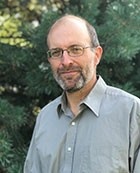
    By Evrett Lunquist, Director of Certification


    Representing the USA, Anthony Mecca with the Biodynamic Association and Evrett Lunquist with Demeter USA are in Poland, attending the Members' Assembly of the Biodynamic Federation-Demeter International. It is 100 years since the lectures given by Rudolf Steiner in Koberwitz, Germany (now Kobiezyce, Poland) that launched Biodynamic agriculture. Attendees from more than 30 countries visited the site and learned about the history of the place and people involved.

    We learned that Steiner slept little while there and that he appeared quite ill when beginning the daytime lectures, but appeared to become more rejuvenated as the days progressed. In the evenings, Steiner traveled to Breslow to lecture about karma. He died less than 10 months later.

    Our time together has included evaluations of existing and new concepts of certification, themes seen in organizational development with the BFDI members, national market development for Biodynamic crops and products, and hearing about the participants involved with the 1924 lectures. There was some conflict among the attendees in 1924 on how to proceed after the lectures- to test the hints provided by Steiner or to implement the indications widely into entrepreneurial activity. A compromise was reached that resulted in forming the Experiment Circle to research the indications on farms.


    In something like an echo of the original gathering in 1924, members of BFDI gathered to hear about the challenges and successes of Biodynamic certifiers and associations, seeking paths forward as a global movement supporting each other. Following the Members' Assembly is an all-day 100-year celebration hosted by Demeter Germany at the German Brodowin Farm, a Biodynamic farm.

    - Staff Corner -

    Demetria Hill

    Certification Specialist

    Image description

    How should we make horn silica, Biodynamic preparation 501? 


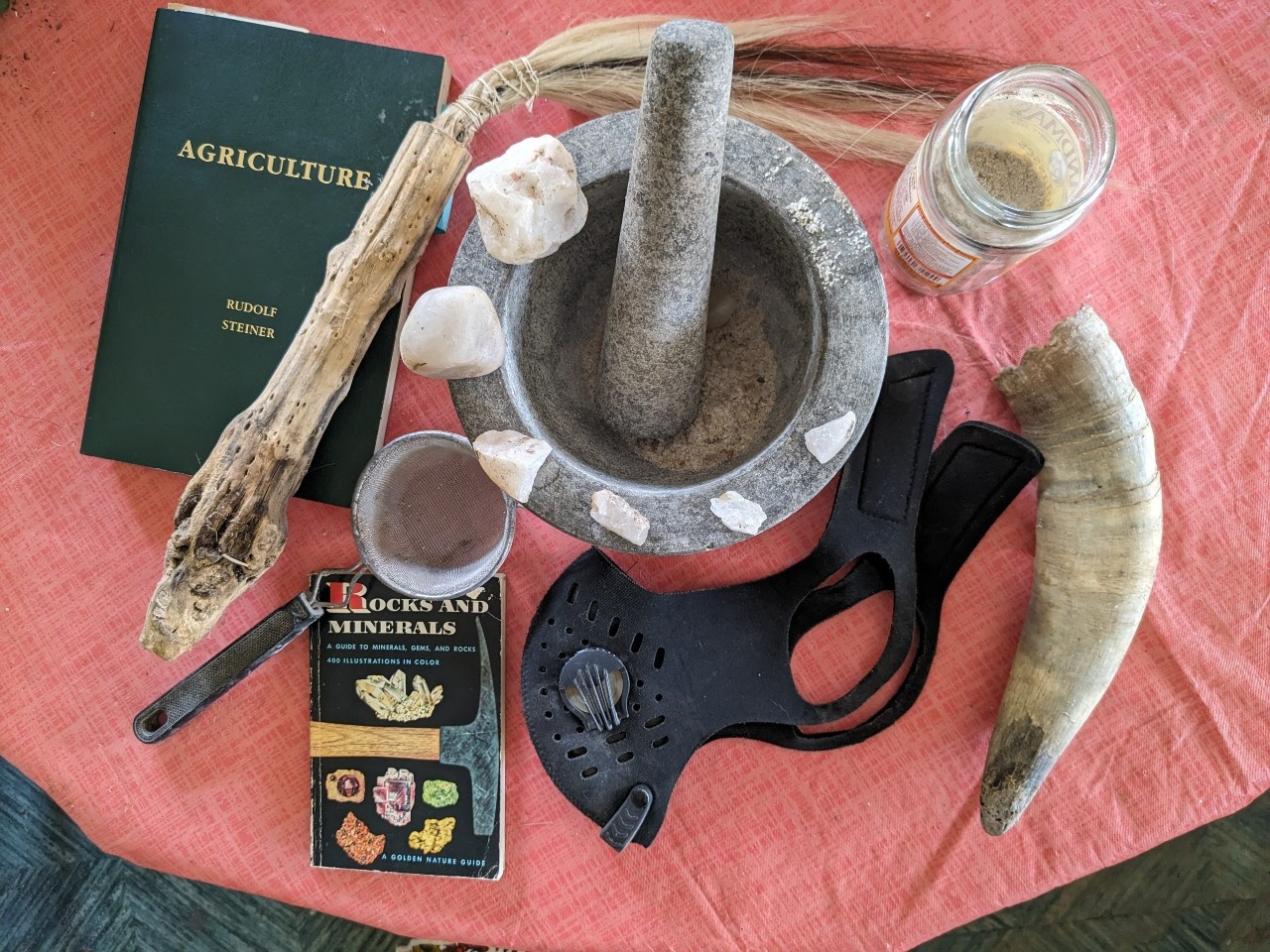
    It's a question I have asked myself since I started making preparations for our farm a decade ago. As a certification reviewer, I see questions come up about how to source horns and minerals and grind the minerals safely. First, on the horns: It can be difficult to find horns from many ranchers because the predominant livestock breeding programs are for polled cattle, without horns.  When cattle are left to breed naturally, the genes of their offspring may revert to having horns again. I've seen this in our own cattle herd: we have a handful of horned animals after a few generations.


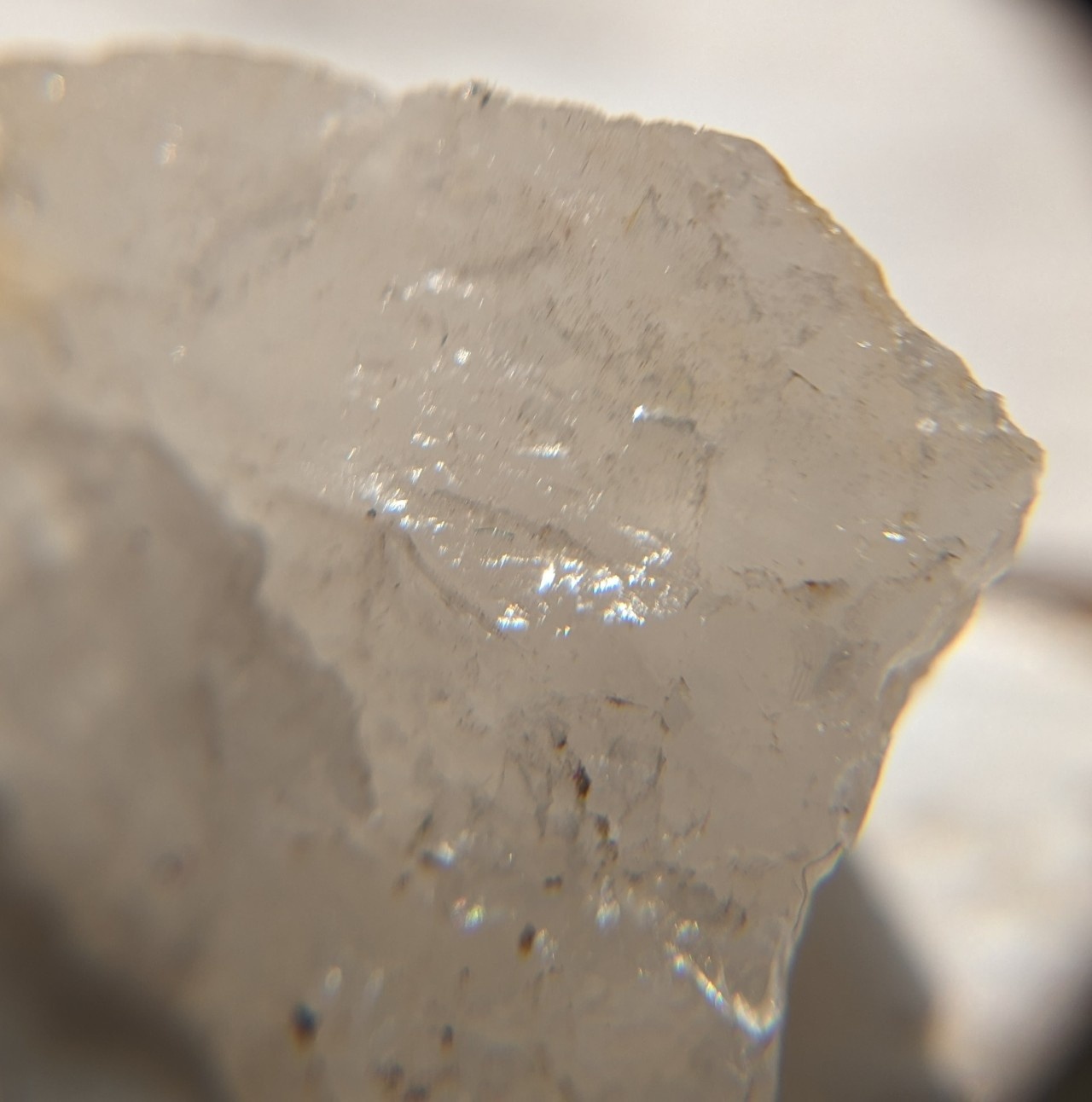
    On mineral sourcing, Rudolf Steiner, noted in lecture two of his agriculture course that, "Silica, thank God, is very widespread on the Earth; 47-to-48 percent of everything consists of silica in the form of silicic acid and other silica compounds, so we can almost always count on enough silica being present to have the desired effect." Even with the abundance of silica, is breaking quartz crystals sustainable? Quartz crystals have formed over millennia.


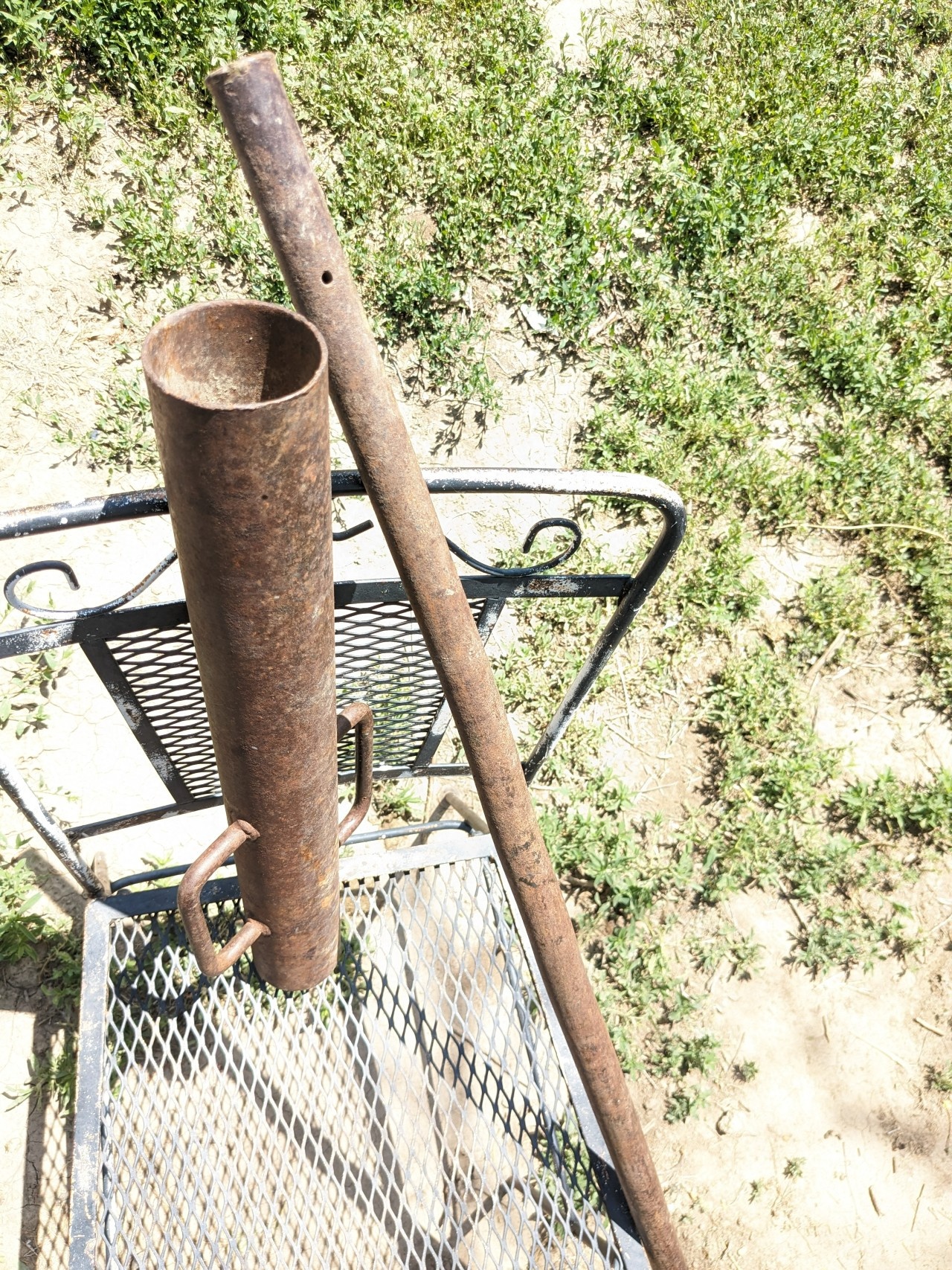
    I, as a Biodynamic farmer, smash them down into a powder. I typically collect quartz as I travel. You may find a rock in my car at any given time. I break these by dropping them in a metal pipe, enclosed on one end (a T-post tamper,) and ramming them with a metal rod. I like to do this outside on a misty spring day, so the dust doesn't float far, for safety. I also wear a mask. I grind the rocks further with a mortar and pestle, then sift with a screen and grind to the consistency of powder. I put the powder with water in a paste in horns. I bury the horns over summer, a couple feet deep in my garden. I store the finished preparation in a glass jar in a sunny window.


    There are alternatives to smashing crystals. Just think about all of the sand on beaches. Sometimes I wonder about making crystals by channeling lightning onto sand to make fulgurites, like Benjamin Franklin's key and kite experiment that collected energy in a Leyden jar.


    Our Demeter Association team has noticed a lot of Biodynamic operations use sand to make 501. It may be sourced from companies that already have connections to sand suppliers, such as ceramics stores.  


    The team at the Demeter office reviews the use of sand from various sources to explore whether any materials are used in extraction methods that wouldn't comply with the standard. Please remember to send us the contacts for your silica sources so we may conduct a review.

    Image description
    Image description
    Image description

    Want to keep up to date with news from

    The Biodynamic Demeter Alliance?

    Image description

    Email [email protected] to get on the mailing list and visit the website for Alliance Board activty updates:  Biodynamic Demeter Alliance

    ~ CALENDAR ~


    If you'd like your event announced in our monthly newsletter, please send details to: [email protected]

    ▪▪▪▪▪▪▪▪▪▪▪▪▪▪▪▪▪▪▪▪▪▪▪▪▪▪▪▪▪▪▪▪▪▪▪▪


    Biodynamic Intensive Seminar

    A Healing Agriculture: Human Beings, Technology, and the Life of the Earth

    Offered by the Biodynamic Association and partners

    July 29 -- August 2

    For details: Biodynamic Intensive Seminar


    ▪▪▪▪▪▪▪▪▪▪▪▪▪▪▪▪▪▪▪▪▪▪▪▪▪▪▪▪▪▪▪▪▪▪▪▪


    Geothanium Section for Agriculture -- Online Session

    Discovering the Soul of the Earth

    July 8

    For details: Soul of the Earth


    ▪▪▪▪▪▪▪▪▪▪▪▪▪▪▪▪▪▪▪▪▪▪▪▪▪▪▪▪▪▪▪▪▪▪▪▪


    Churchtown Dairy Events

    Weekly farm and garden tours, cheese tasting, festivals and more!

    For details: Talks, Workshops + Events — Churchtown Dairy


    ▪▪▪▪▪▪▪▪▪▪▪▪▪▪▪▪▪▪▪▪▪▪▪▪▪▪▪▪▪▪▪▪▪▪▪▪


    You can find many more events on the Biodynamic Association's 

    Event Calendar

    BDA Community Calendar


    ▪▪▪▪▪▪▪▪▪▪▪▪▪▪▪▪▪▪▪▪▪▪▪▪▪▪▪▪▪▪▪▪▪▪▪▪


    Demeter Business Meetings:

    Demeter Standard Committee – meets the 2nd and 4thTuesday of the month


    Demeter Board – meets the 2nd Monday of the month

    Image description

    Demeter Association, Inc.

    317 Church Street
    Phoenixville, PA 19460


    www.demeter-usa.org

    If you want to unsubscribe, click here.