͏‌ ͏‌ ͏‌ ͏‌ ͏‌ ͏‌ ͏‌ ͏‌ ͏‌ ͏‌ ͏‌ ͏‌ ͏‌ ͏‌ ͏‌ ͏‌ ͏‌ ͏‌ ͏‌ ͏‌ ͏‌ ͏‌ ͏‌ ͏‌ ͏‌ ͏‌ ͏‌ ͏‌ ͏‌ ͏‌ ͏‌ ͏‌ ͏‌ ͏‌ ͏‌ ͏‌ ͏‌ ͏‌ ͏‌ ͏‌ ͏‌ ͏‌ ͏‌ ͏‌ ͏‌ ͏‌ ͏‌ ͏‌ ͏‌ ͏‌ ͏‌ ͏‌ ͏‌ ͏‌ ͏‌ ͏‌ ͏‌ ͏‌ ͏‌ ͏‌ ͏‌ ͏‌ ͏‌ ͏‌ ͏‌ ͏‌ ͏‌ ͏‌ ͏‌ ͏‌ ͏‌ ͏‌ ͏‌ ͏‌ ͏‌ ͏‌ 
Is this email not displaying correctly? View it in your browser.
Environmental Law Foundation Logo

ELF Newsletter

Spring 2024

Happy Earth Day! It’s such a glorious time of year; a time always to recall Housman’s poem, if you will indulge me.


Loveliest of the trees the cherry now…

Is hung with bloom along the bough,

And stands about the woodland ride

Wearing white for Eastertide.

Now, of my threescore years and ten,

Twenty will not come again,

And take from seventy springs a score,

It only leaves me fifty more.

And since to look at things in bloom

Fifty springs are little room,

About the woodlands I will go

To see the cherry hung with snow.


All the white blossoms, whitethorn, wild cherry, hedgerows decked soon becomes hawthorn blossom, to now the sweetest smelling wild apple blossom. Such heralders of spring, the joy of hearing a first skylark or seeing the first brimstone butterfly, these creatures remind us of renewal. Whilst our fabulous flora and fauna go about their springly business, those of us old enough sadly aware of the massive decline in numbers, for my children the shifting baselines of what is normal keeps me awake at night. I cast around for good news in the environmental world. For often it feels that there is little to be hopeful about.


And yet, ELF is about hope, we are about supporting the hopes and desires for better environmental outcomes, working with the amazing panoply of grassroots communities that we work with, at the local level. Whilst those who contact ELF are doing what they can to protect the nature that they love, there remains optimism. Keeping it local. Doing what we can at the local level, where often global news is too overwhelmingly sad.


For ELF too, much interested in rights of nature and rights of rivers, the bubbling movement that is occurring in the UK now, supported by a growing international movement, there are now 27 countries across the world, who have recognised rights of nature in one form or another. This then for ELF presents hope. Talking to a young woman yesterday, she said, she has been suffering from eco-anxiety for years but finds rights of nature gives her hope of how things might be done differently. Indeed the work that we are involved with, with the young student lawyers through the clinic networks also reveals a great desire for a shift in attitude. Bringing nature into the room of decision makers, which is a key part of the work we are doing at ELF supporting local group Love Our Ouse in their efforts to have a River Ouse charter endorsed by the Council by February 2025. There are other examples too around the UK of an increasing interest in rights of nature This gives me hope. In the end this is all we have.


And so to this quarter’s newsletter, we wish to bring some examples of ELF’s community stories, the local people reaching out to us and what we have done to aid them, shining a particular spotlight on industrial farming practices where we have seen a pulse of enquiries, which are injurious to both communities and nature.
Recent Updates

icon

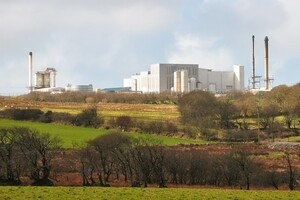
Dairy Crest Davidstow Creamery's multiple pollution breaches


ELF was contacted by a member of the community living in close proximity to Dairy Crest Davidstow Creamery in Cornwall. This is a site that was prosecuted and fined £1.5m in 2022 by the EA for environmental breaches of their permits, including causing mass mortality to fish in the River Inny. Despite this prosecution, there continue to be environmental breaches, so the community came to ELF wanting to have the plant shut down. Unfortunately, the advice we sought confirmed this was not possible. There are constraints imposed on the EA, which means they cannot close down the plant, nor revoke the permit, as long as the operator is working to address the identified problems.


The community were disappointed as, despite the improvements by the Creamery over the last two years, the record is still very poor. We advised that they could create a public campaign around the company in lieu of legal action. Dairy Crest, owned by the Canadian company Saputo, is a massive supplier of cheese to all supermarkets and creating public pressure may cause changes the law cannot currently coerce.


icon

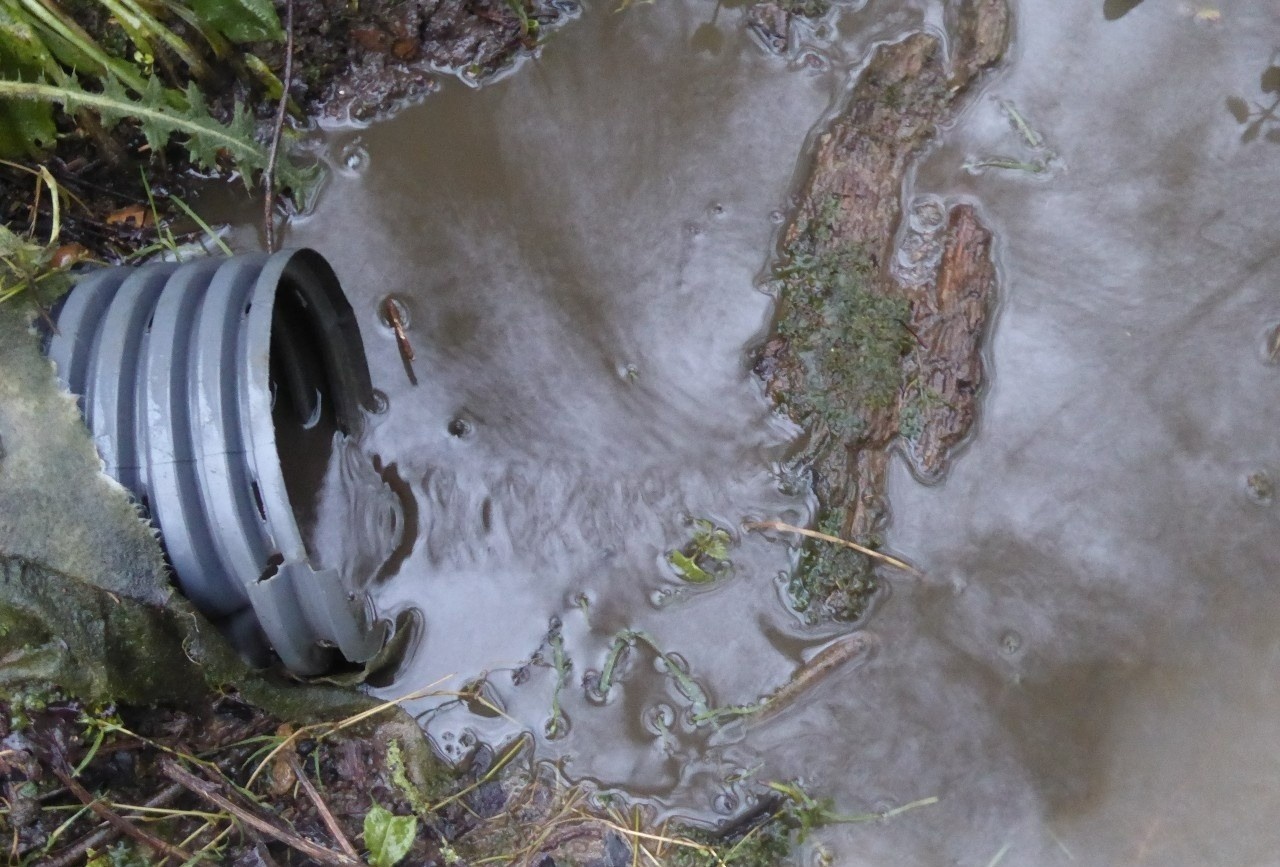
Leaking slurry lagoon in the Isle of Wight


ELF was contacted by an individual living on the Isle of Wight who has raised concerns over a leaking slurry lagoon owned by a farmer, in a National Landscape (formerly an AONB). The tributary that the slurry leaks into leads to the Western Yar River, a SSSI, which also has Freshwater Marshes to its south.


This lagoon was constructed 16 months ago, meaning the lagoon failed after less than a year of use. These leaks are at ground level and the black slurry can be seen to be joining the clear water of the river, the edge of a woodland and into the ditch flowing into the River Yar. Slurry is a highly polluting substance due to its high concentrations of nitrogen and phosphate which can cause significant damage to the surrounding rivers and marshes flora and fauna.


Our enquirer complained to EA who stated they will not take action as the event is only a Grade 3 Pollution Incident. ELF received advice and has written a letter setting out the breaches of the Environmental Permitting Regulations and impacts on SSSI, to be sent to the EA.


Image description

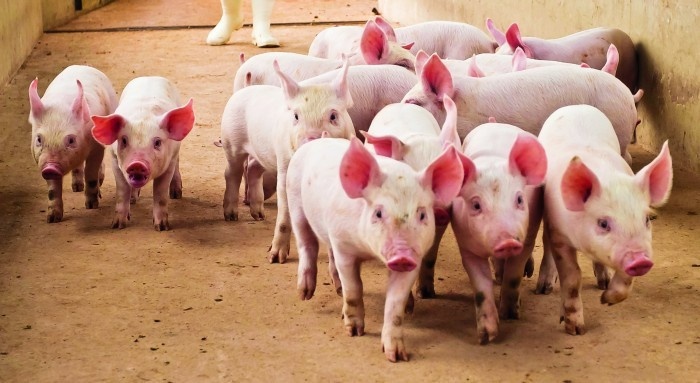
Cranswick Pig Finishing Unit causing ammonia and dust pollution in Norfolk

ELF was contacted by a family living in Norfolk, living in close proximity to a Cranswick Pig Finishing Unit. Since it was built three years ago, it has continuously been breaching its EA Permits and carrying out unauthorised developments that were not included in the original planning permission.


As a result, there is significant ammonia and dust pollution, which is impacting the family’s health and property enjoyment. They have regular headaches and breathing problems, and one family member was advised by her GP not to attempt to conceive due to the regular exposure to ammonia. They all suffer great stress as a result of the pollution, particularly given the unpredictability of when emission incidents will begin.


There are also ecological concerns, due to the Unit’s close proximity to Breckland Farmland SSSI, Breckland SPA and a chalk stream, one of only 260 in the world.


Our enquirer has tried over the years to contact their Council, the operators, their MP, the HSA and the EA to no avail. ELF is obtaining a barrister’s opinion on these breaches and the best way to move this situation forward.

Image description
THE INTERWOVEN PATHS OF ENVIRONMENTAL AND SOCIAL JUSTICE

Environmental justice and social justice are distinct yet intrinsically connected realms. They intersect when the brunt of environmental issues is borne disproportionately by marginalized and socially disadvantaged groups. At the core of the connection between environmental and social justice is the fact that the environment we live in greatly impacts our quality of life. Clean air, potable water, and access to green spaces, for example, are essential components of healthy living. Unfortunately, these resources are not distributed equally, and historically disenfranchised communities often live in areas where these essentials are scarce or under threat.


Read ➔

Image description

WATER POVERTY STILL PERSISTS IN THE UK – HOW CAN WE ACHIEVE WATER JUSTICE?

Water justice is not something that we hear about much in the UK but it emphasises that access to clean and safe water is a fundamental human right. However, this basic necessity is not universally enjoyed, even in the UK, vulnerable communities disproportionately bear the brunt of water pollution, scarcity, and inadequate infrastructure.

Image description
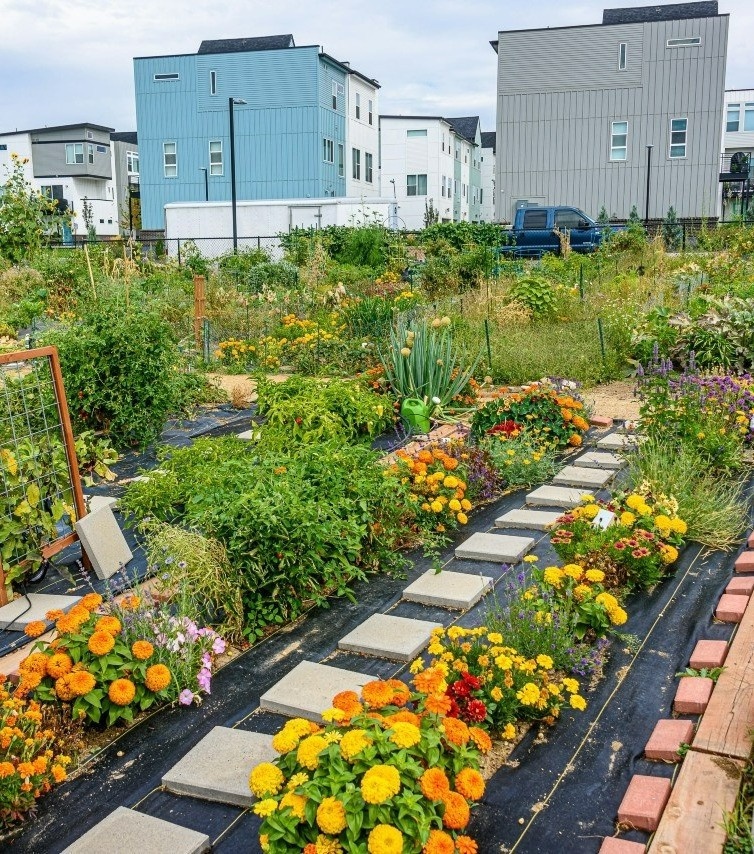
CULTIVATING COMMUNITY: THE IMPORTANCE OF COMMUNITY GARDENS IN THE UK

Recent findings from Friends of the Earth reveal a stark reality: a significant portion of England’s population lacks access to quality local green spaces, with nearly 10 million people residing in neighbourhoods deprived of these essential amenities. And the inequality is stark: According to the same study, “almost 40% of people of Black, Asian and Minority Ethnic backgrounds (BAME) live in England’s most green space-deprived neighbourhoods” while the University of Sheffield found that the most deprived areas have seen eight times more allotment closures than the wealthiest areas.


Community gardens play a vital role in addressing this disparity by providing accessible green spaces where people can come together, cultivate plants, and foster a sense of belonging.


Image description
HOW AN OXFORD STUDENT’S INQUIRY SPARKED A BATTLE AGAINST CLIMATE CHANGE DENIAL

We often note that matters start with ELF that go on to achieve a high profile in the press sometimes years later. Some of you may have been following the press interest in a story about the Global Warming Policy Foundation (GWPF), a charity set up by Nigel Lawson, which has supported much of the climate change denial movement. It is associated with Tufton Street, a far right leaning think tank. The most recent news piece last month reported the Good Law Project’s involvement with three MPs taking up the legal case.


But the stories roots lie with ELF, and before us the wit and persistence of an Oxford University student, who came to ELF for help.

University Network 

Image description

In addition to the 20 universities we are currently working with, conversations are continuing with others who are interested in joining ELF’s network. The University of Portsmouth is our most recent joiner.


Universities in the ELF network offer a range of opportunities for students to get involved in our work under our 'Young ELF' programme. This is primarily through legal clinics (which have been referred a variety of interesting cases this year) or policy clinics. Many of the universities favour policy clinics as these are easier to establish than legal clinics. For this academic year we have had two research projects:

  1. Considering the Aarhus Convention implications of Environmental Outcomes Reports. Those participating will be reporting back to ELF shortly.
  2. Ecological mapping along and around the River Ouse as part of ELF's ongoing work to support the development of the Rights of the River Ouse Charter in Lewes. With most reports now received, we have begun the process of analysis and drafting an overview report to support the Charter documentation.

If your university is not currently on the ELF network and you would be interested in joining, do get in touch.


Our University Network continues to grow providing opportunities for students to gain experience of ELF’s work through our Young ELF programme. We are delighted to welcome Brunel University London as the latest member of the network.


We are always open to collaborations, so if your university wishes to be part of our network, do reach out.

Celebrating Women

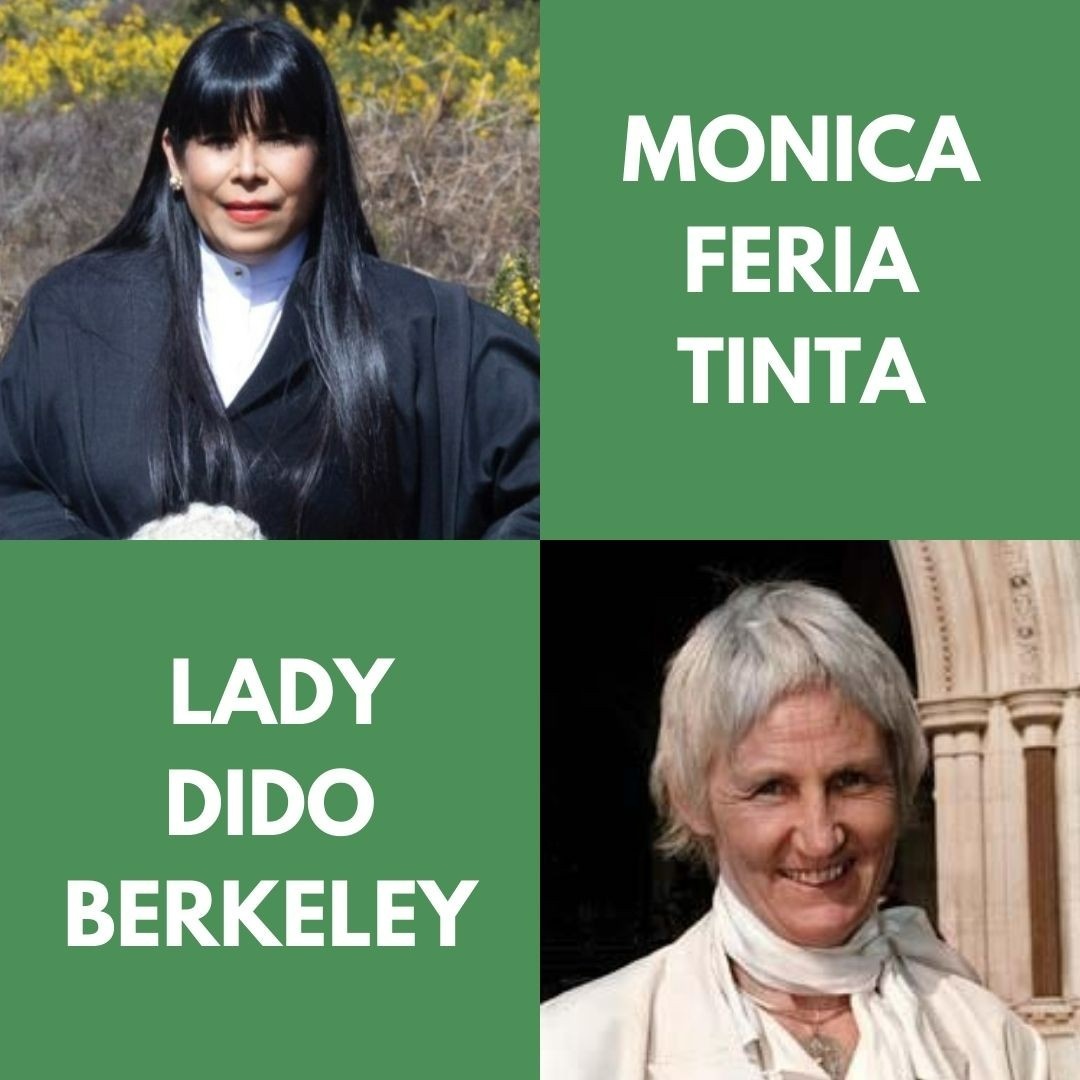
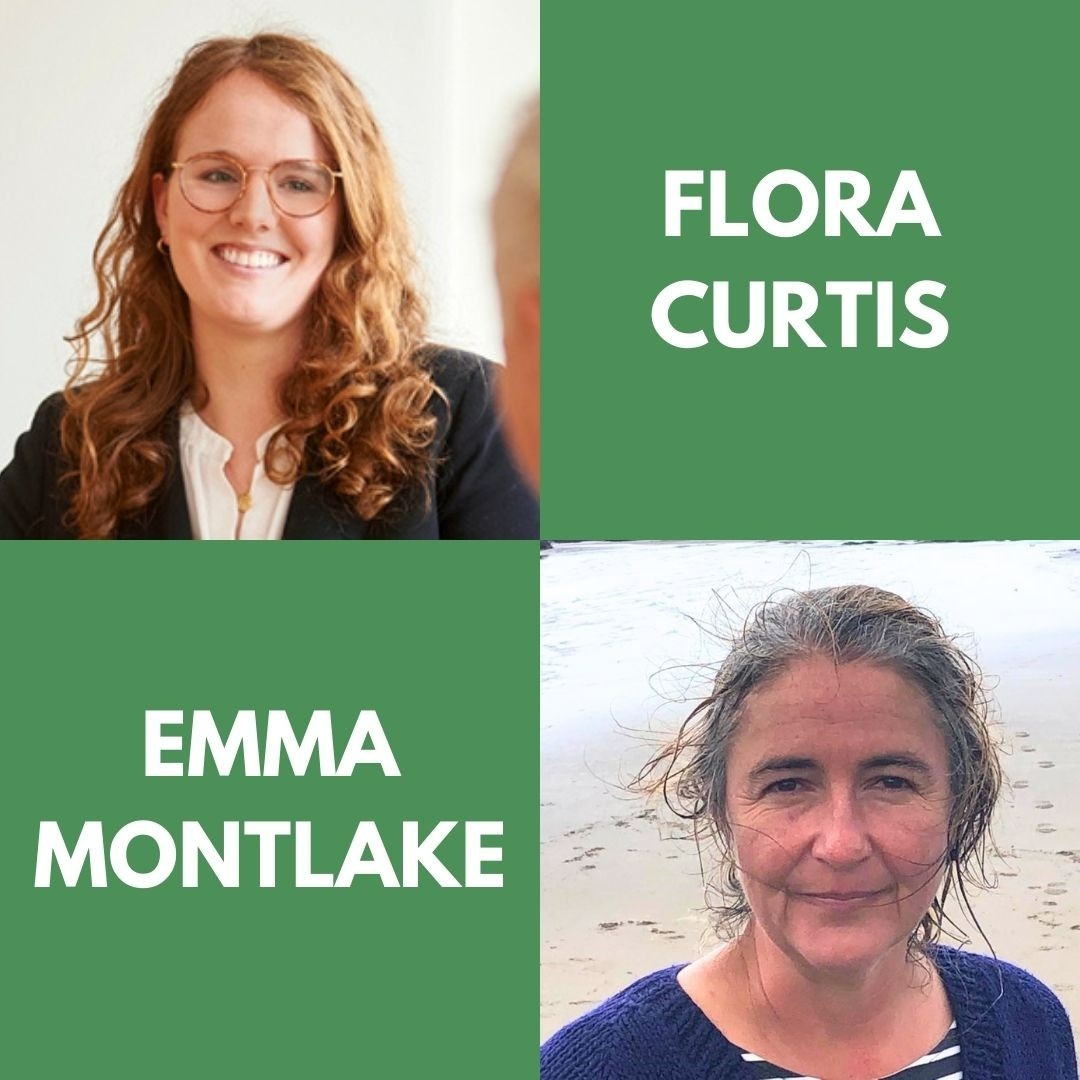
This March, we celebrated Women's Month by featuring inspiring women in environmental law and environmental campaigning. Get to know Monica Feria-Tinta, Lady Dido Berkeley, Flora Curtis, and Emma Montlake.

Image description
Image description

Monica Feria-Tinta is a barrister at 20 Essex Street Chambers. She practises in public international law, conflict of laws and international arbitration. She acts for States and private parties.

Lady Dido Berkley is a longstanding champion of environmental justice. She challenged to stop the £500m Lots Road development in London’s Chelsea and has been seen lying in the road during climate-change protests. Lady Dido is founder and Director of Thamesbank whose vision is to make the most of the River Thames for all.

Flora is ranked as one of the top planning barristers under the age of 35. She acts for a wide range of clients including NGOs, central and local government, developers and landowners, and local residents.

Emma Montlake is the joint Executive Director of the Environmental Law Foundation and Head of Casework. Emma is a solicitor; passionate about nature and wildlife.

Funding

We are delighted that our application to the Network for Social Change Charitable Trust for funding to support a Rights of Nature policy clinic research project for the next academic year has been successful. The project will consider legal/policy opportunities for the recognition of Rights of Nature (RoN) at a local level across the UK. This will be one of the bigger policy clinic research projects we have conducted and we anticipate it will play an important role in the continuing development of RoN in the UK. We will be contacting our university members with more details soon.

Image description
Image description

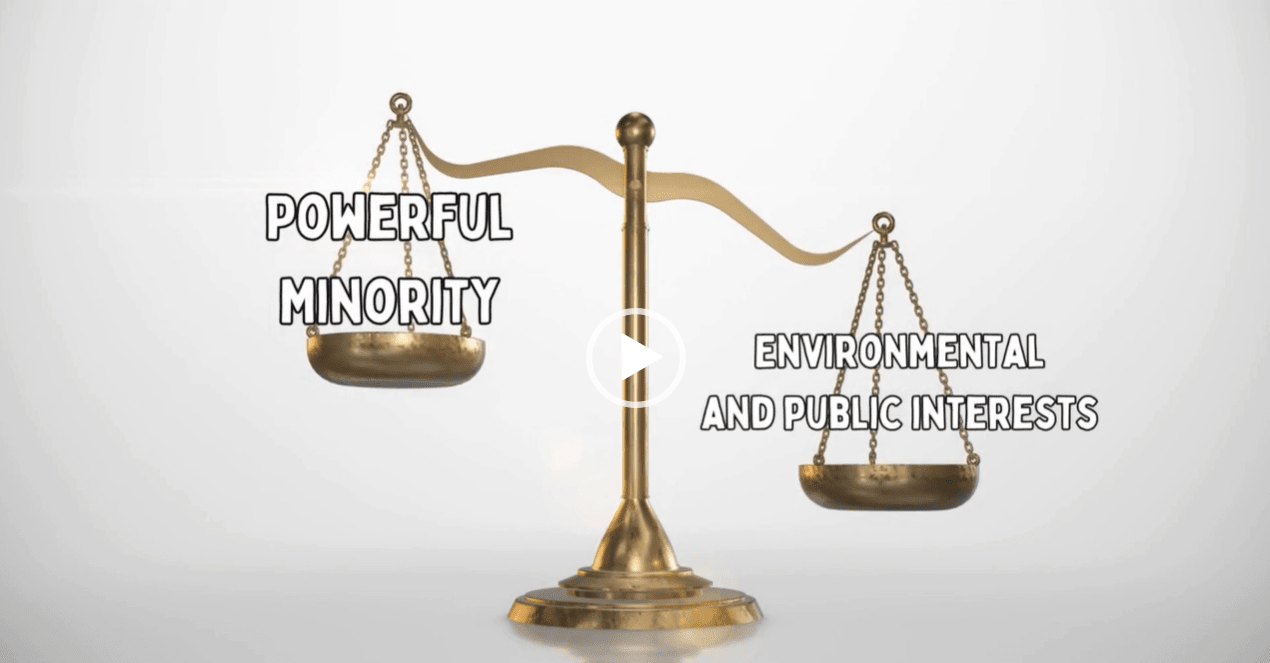
ELF video: What is environmental law?

Last February we created a video on the topic of environmental law. This was shown to 200 teachers participating in a webinar organised by Oxford University Press. The video will be also be shown to students of the Oxford IB Diploma Programme: Environmental Systems and Societies Course this August.

We rely on donations from people like you. Consider donating 

Donate here

Environmental Law Foundation

[email protected]

The ELF Telephone Helpline 0330 123 0169 is kindly supported by the Client Services Team at Irwin Mitchell Solicitors

Copyright © 2023 Environmental Law Foundation, All rights reserved

Environmental Law Foundation Logo
If you want to unsubscribe, click here.