Dear Friends and Colleagues,
When civic virtue goes missing, said the Roman poet Juvenal, political engagement gives way to ‘bread and circuses’. Governments resort to materialism and entertainment to distract the populace from rampant injustice.
Anyone witnessing the first half of the year 2026 might well sympathise with that sentiment. Aggressive expansionism, rising militarism, an arms industry out of control. Politicians with no politics, diplomats who don’t negotiate, a captured judiciary intent on punishing civil protest against documented genocide. Sometimes the injustice itself seems like the circus.
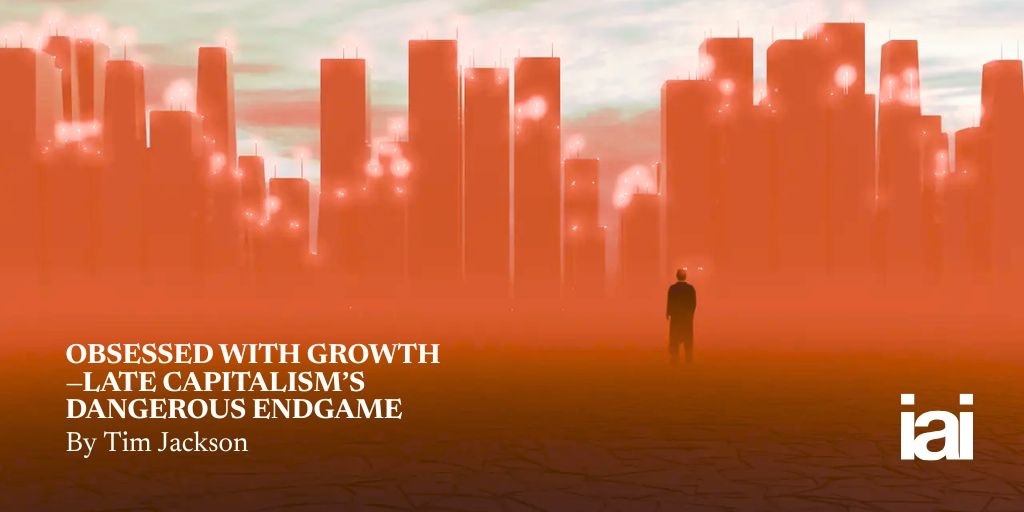
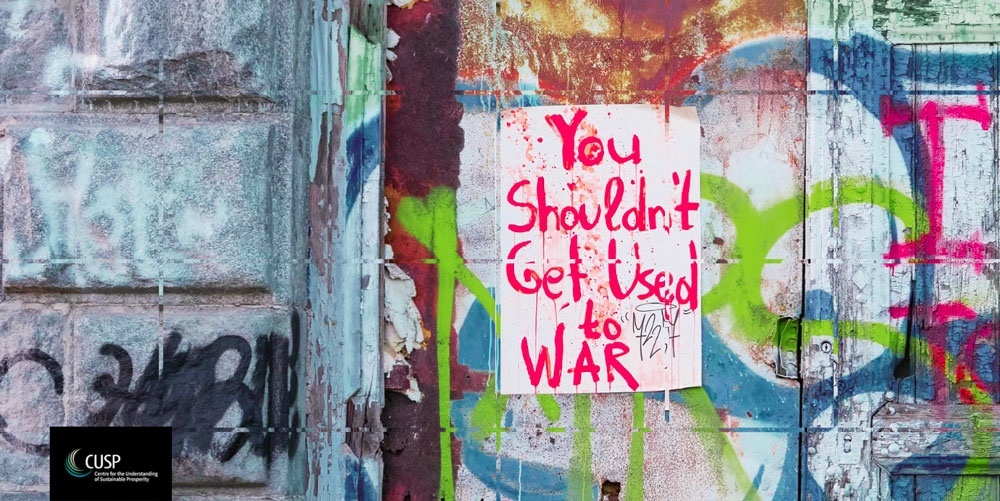
Behind so much of this, as I pointed out in a recent article, lies the thirst for power and the unbridled pursuit of growth. But these goals are luring us into danger. What’s happening in the name of growth is the very opposite of prosperity. What’s happening in the name of the law is the very opposite of justice. What’s happening in the name of defence is the very opposite of security. Blinded by the flag, as Banksy reminds us, we end up sleepwalking towards disaster.
One thing is clear. Capitalism’s dangerous endgame makes our work in CUSP more important than ever (even as the funding climate turns against us). Post growth thinking may find no favour in the corridors of power, but its relevance to the geopolitical horrors of the day is as profound as it's always been.
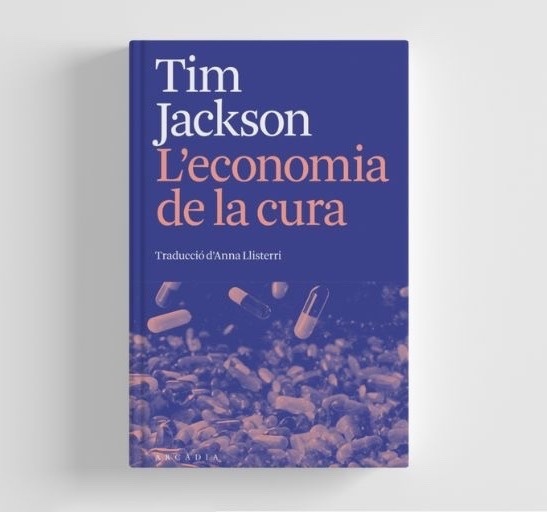
The goal of prosperity as health offers a new political compass as well as a radical challenge to economic orthodoxy. Economics as care offers a powerful antidote to the pervading violence of the day. Materialism serves neither the planet nor our psyche. But as our CUSP colleagues in Middlesex have shown, the business models for a new economy are already on hand. With appropriate finance they can rescue both climate and local economy – sometimes even in low and middle income countries.
None of this is to pretend that the transition is easy and in CUSP we’ve never claimed it is. The macro-economic challenge of a post growth economy continues to inform our work. The logic of ‘consumer choice’ may threaten to obscure the way ahead and the technological revolutions that promise salvation may turn out to have a massive ecological cost. But the need for clear science and strong communication remains.
This year marks the 250th anniversary of the publication of Adam Smith’s The Wealth of Nations. Its relevance to today's problems is still worth reflecting on. But we also need new economic thinking, new ways of challenging old assumptions and new arenas in which to find our way back to Juvenal’s vision of civic engagement.
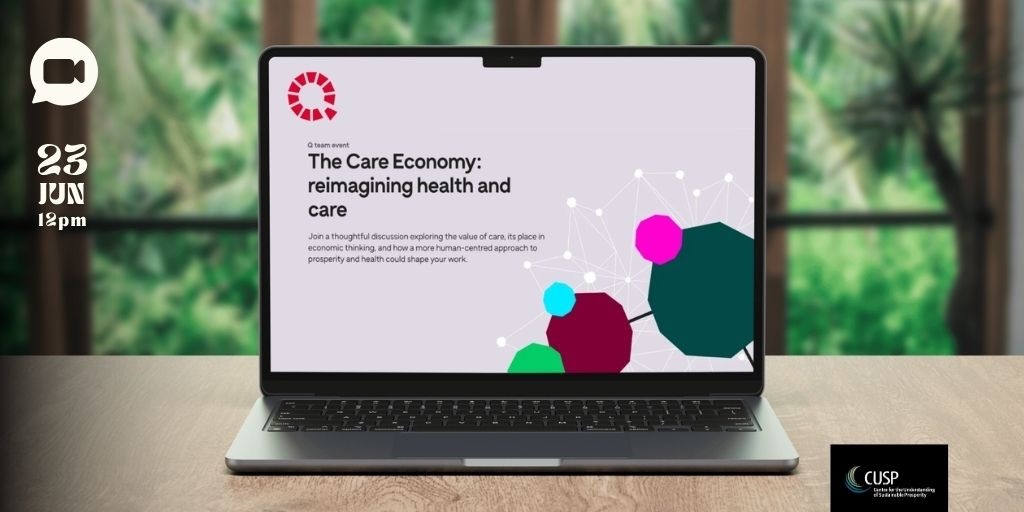
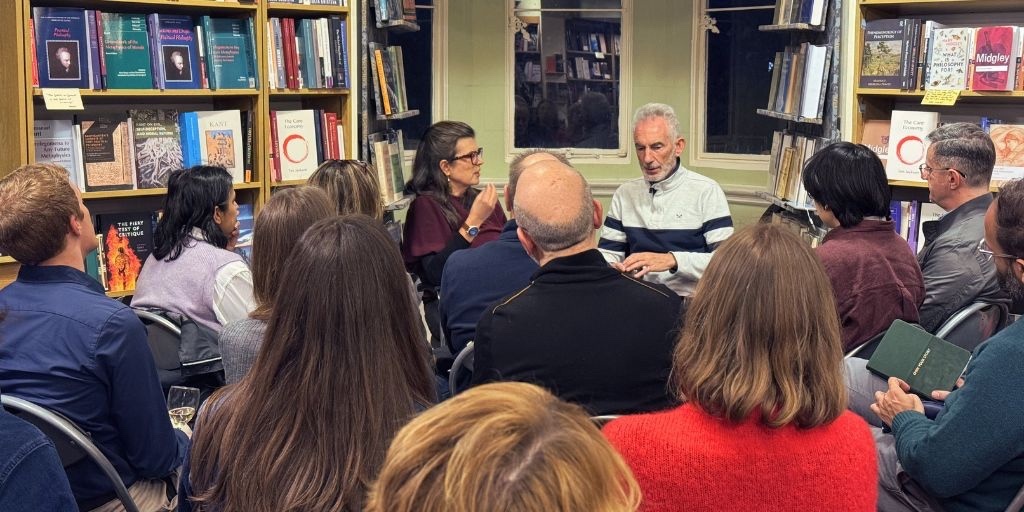
If you’re looking for an opportunity to do just that, there’s plenty more in this newsletter to get your teeth into. You could even join me online next week (Tuesday 23rd June at 12pm) for an in-depth conversation on The Care Economy with the NHS Alliance’s Jen Morgan.
Or if it’s circuses you’re looking for…. well there’s always the World Cup!
Best wishes,
Tim
Prof Tim Jackson
Co-Director, CUSP