‌ ‌ ‌ ‌ ‌ ‌ ‌ ‌ ‌ ‌ ‌ ‌ ‌ ‌ ‌ ‌ ‌ ‌ ‌ ‌ ‌ ‌ ‌ ‌ ‌ ‌ ‌ ‌ ‌ ‌ ‌ ‌ ‌ ‌ ‌ 
Is this email not displaying correctly? View it in your browser.
Image description

Spring Newsletter 2026

New Blog Post: 

Pollinators, Crops, and Field Borders: Oh My!

Blog Post by Rachel Pizane


Some people might see huge blooming crop fields - like the bright yellow canola fields iconic to Alberta - and think they must be a paradise for pollinators. But they are usually a "seasonal feast" followed by a famine! Once crops like canola stop blooming, pollinators are left searching for food in an increasingly empty, and increasingly competitive, landscape.

In our latest blog post, Rachel Pizante shares insights from her PhD research on the important role of field borders: narrow strips of land that are often overlooked as potential pollinator habitat. It turns out some pollinators are a picky bunch!

What You’ll Learn:

  • Why pollinators need field borders with a variety of flowers and nesting habitat, and why they're so important once seasonal crops stop blooming.

  • How maintaining both treed and grassy field borders can double the number of pollinator species around a single field.

  • Why specific pollinators, like hoverflies and certain bumble bees, need unique, small-scale habitats for "larval nurseries."

  • Why protecting features like hedgerows and wetlands leads to massive benefits for biodiversity and crop health.

"Although small-scale habitats may not be big, their impacts are sizeable, and protecting them can protect pollinators – bees and all!"

Check out the full blog post here
Image description

Hoverfly

Photo by John Acorn

Springing into Action:

Supporting Native Bees in the Springtime

Article by Ilan Domnich

Image description

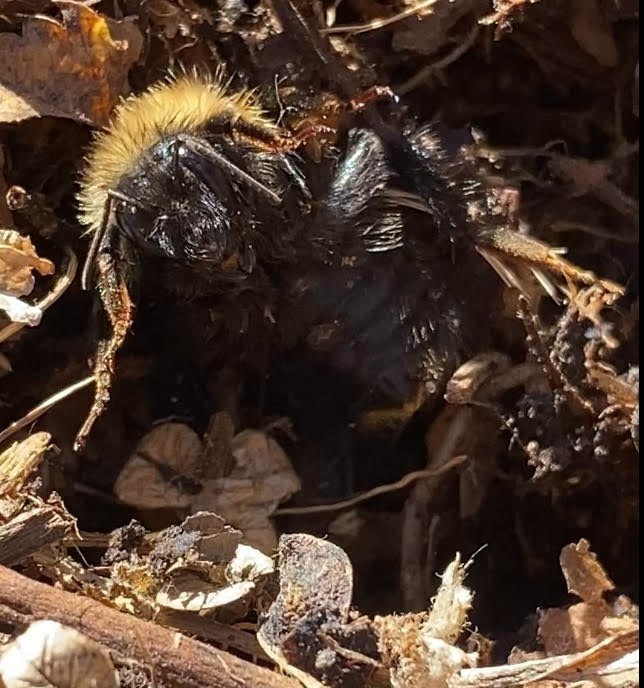
Bumble bee qeen awakening after underground winter diapause

Save the Stems

While some bees burrow, others prefer a cozy home in a hollow stem. Many solitary bees, such as leafcutter bees, nest inside hollow-stemmed plants. The broken stems left over from last year's garden are prime real estate.


We recommend leaving these stems standing until later in the summer to give all the developing bees a chance to safely emerge.


If you want to clear the stems to make way for new growth, do not throw them in the compost! Instead, gently cut them and lay them at the base of your plants or tuck them into a brush pile. This ensures any overwintering bees still tucked inside won't be accidentally destroyed.


Fueling Up: The Dandelion Myth

When bees finally emerge, they are hungry and need to start gathering resources to raise their brood. Planting early-blooming native plants, such as saskatoon berry, male poplar, and crocus, provides an essential, high-quality food source.
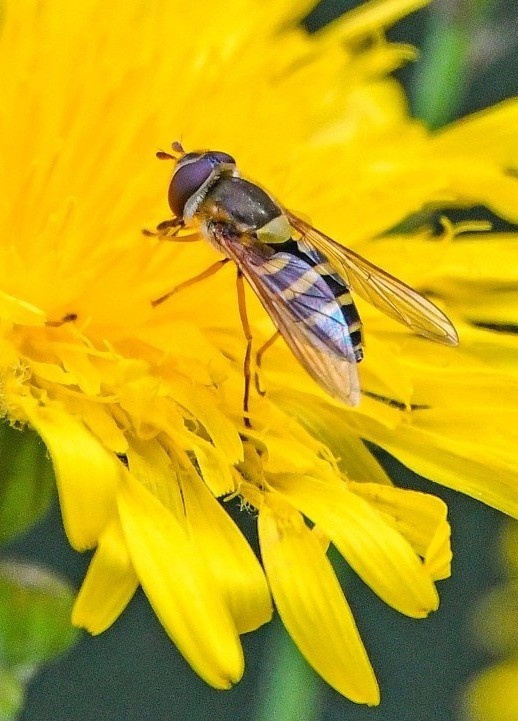
Image description

As the weather warms up and we get the itch to start tidying our gardens, it is the perfect time to think about our local pollinators. Spring is a critical transition period for bees, and a few simple adjustments to your yard work routine can make a world of difference for their survival.


Here is how you can support our native bees this season:

Leave the Leaves

Did you know that many bees, including bumble bee queens, spend the long winter hibernating beneath the surface of the soil? A healthy layer of dropped leaves acts as a crucial insulating blanket. This natural mulch prevents them from being exposed to late-spring freezing temperatures, dramatically increasing their chances of survival. Before you rake, consider leaving those leaves a little longer!

Image description

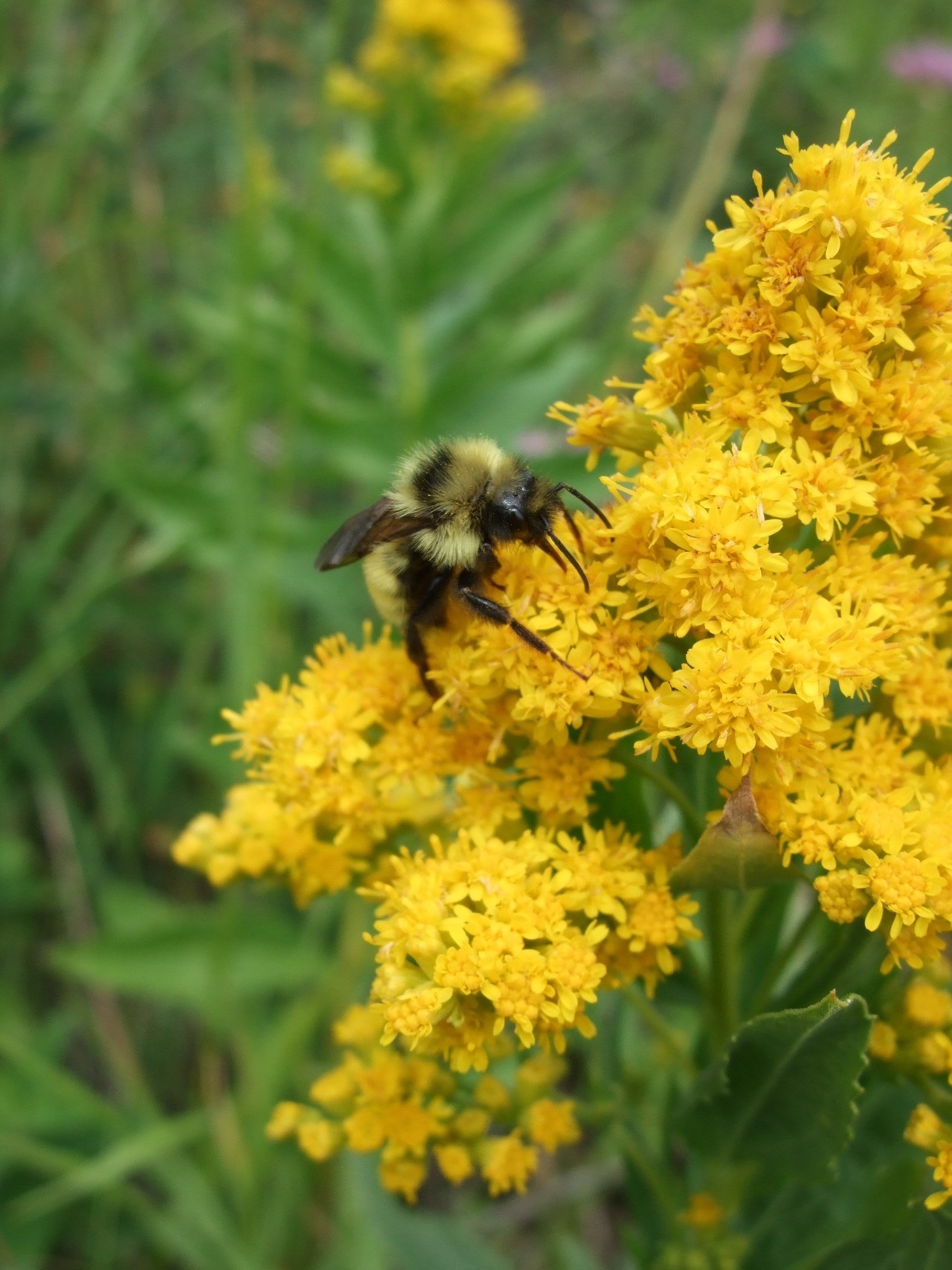
Goldenrod is a native plant whose nectar is not only loved by many pollinators, but also has hollow stems that provide crucial nesting habitat for solitary bees when the stems dry out!

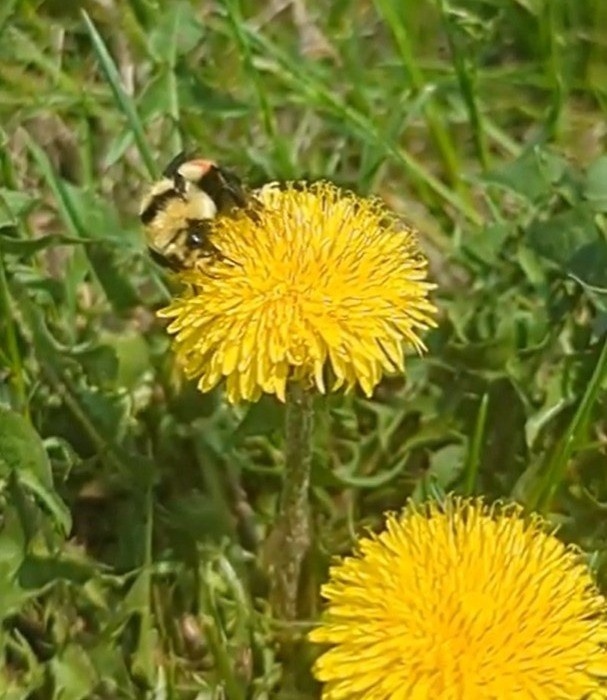
You might have heard that dandelions are an important early food source for bees. It is time to bust a common gardening trap: dandelions are not the superfood some may think they are. While it is true that they bloom early when food is scarce, dandelion pollen is effectively junk food for bees. It lacks essential nutrients, is low in protein, and is missing essential amino acids that bees need to raise healthy brood. While you don't necessarily have to eradicate every dandelion, focusing on planting native, early-blooming shrubs and flowers is the best way to truly nourish your local bee population.

This spring, let's embrace a more natural garden. By holding off on the heavy cleanup, we can give our vital pollinators the safe haven and proper nutrition they need to thrive!

Time to Put Out Your Bumble Bee Boxes!

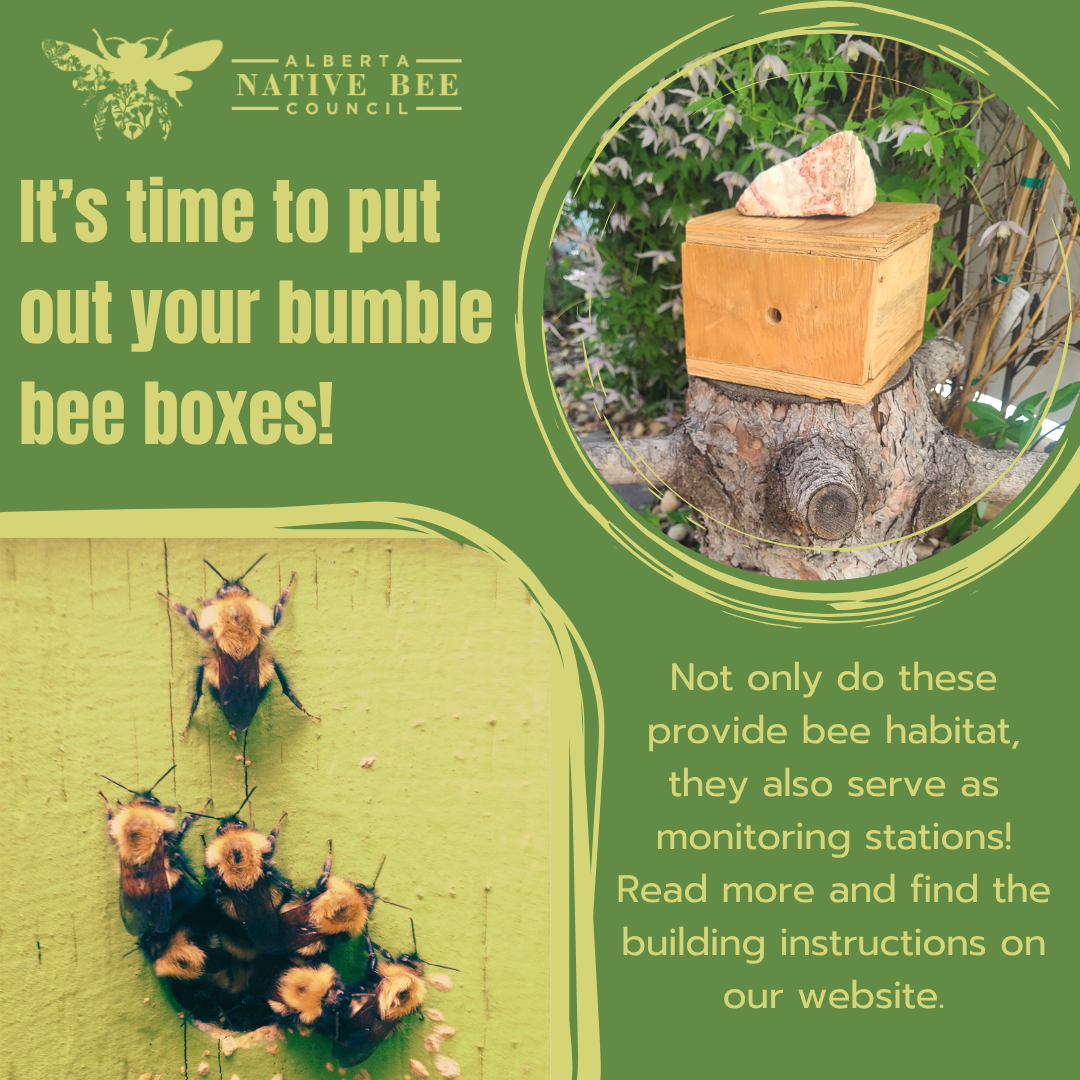
The time is here, as the weather begins to warm, bumble bee queens are emerging and looking for a suitable place to nest, so it’s time to put out your bumble bee nest boxes! Ideally, boxes should be placed in half sun, so the sun can warm the colony but won't get too hot during mid-summer heat-waves. 


Looking for cotton refills? Raw cotton can be purchased for pick up in Calgary and Edmonton on our merch store's website. Buy cotton refills here!


Head to our Bumble Bee Box Monitoring Program page for information on how to clean your bee box and when to have it out.  Don’t forget to fill out the Bumble Bee Box Reporting Form which helps us to gather valuable information about Alberta’s Bumble Bees! Even if you don't get bees this year, every report provides us with an important data point, including the absence of bees that year!


Don’t have a Bumble Bee Nest Box yet? You can build one with our Bumble Bee Nest Box Assembly Instructions


Want to chat about bee boxes? Join our Discord!

Join us on the Discord app to chat to chime in about your own bee box, ask questions, and see what is working for other people. Use this link to join the Alberta Native Bee Council Discord!

Image description
Image description

We’re Emerald Award Finalists!

Image description

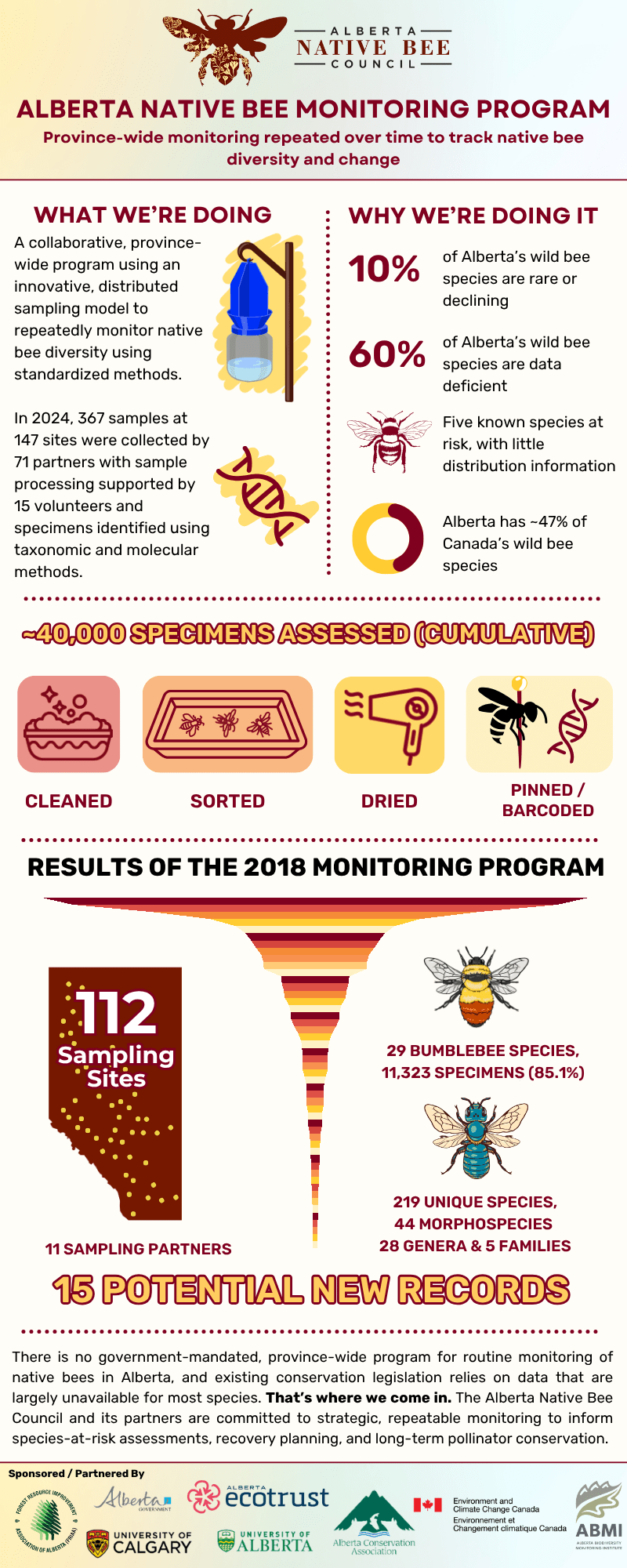
The ANBC Monitoring Program has been officially shortlisted for a prestigious Emerald Award!

The Emerald Awards celebrate environmental excellence across Alberta, and being named a finalist is a massive nod to the hard work and dedication of our team, volunteers, and partners.

This recognition validates our commitment to understanding and protecting native pollinators while highlighting the growing public appreciation for biomonitoring. Understanding our bee populations is the first step toward effective conservation, and we are thrilled to see this work celebrated. Stay tuned as we head to the final ceremony!

Image description

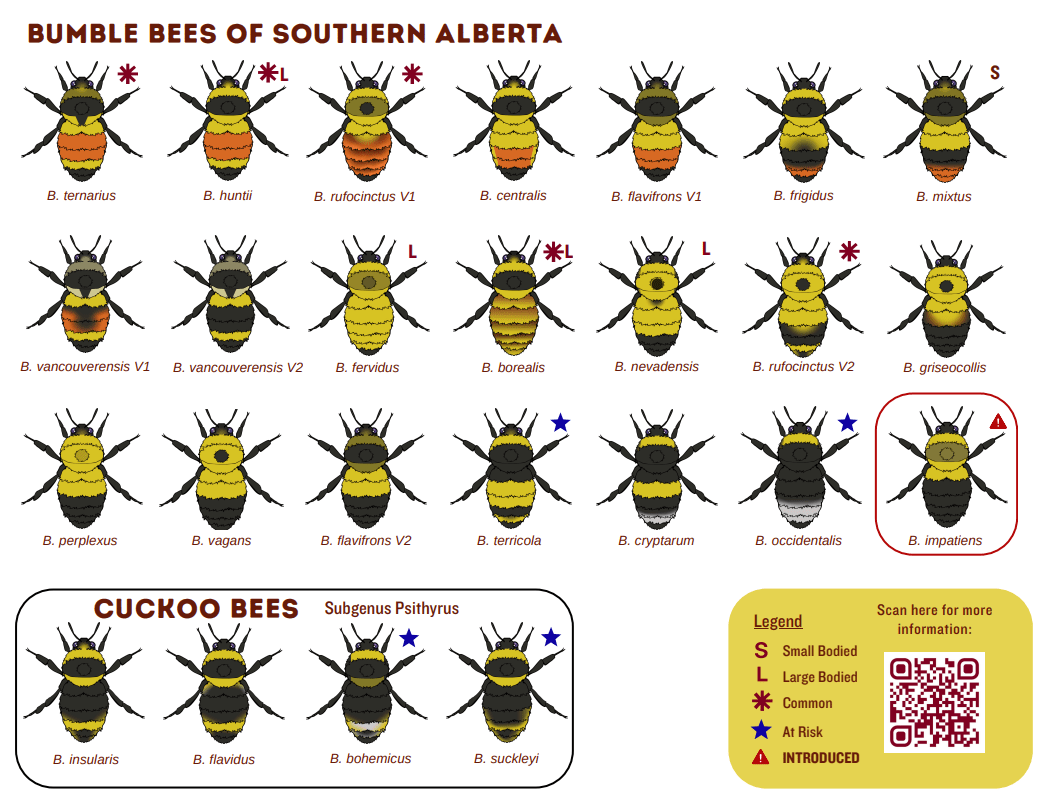
Southern AB Bumble Bee Guide

We have officially updated our Southern Alberta Bombus Guide. Whether you're in the south or using our existing Central Alberta guide, you can now identify our local bumble bees with even greater accuracy.

Southern Alberta Guide

Big Love to the SAIT Beekeeping Club!

Image description

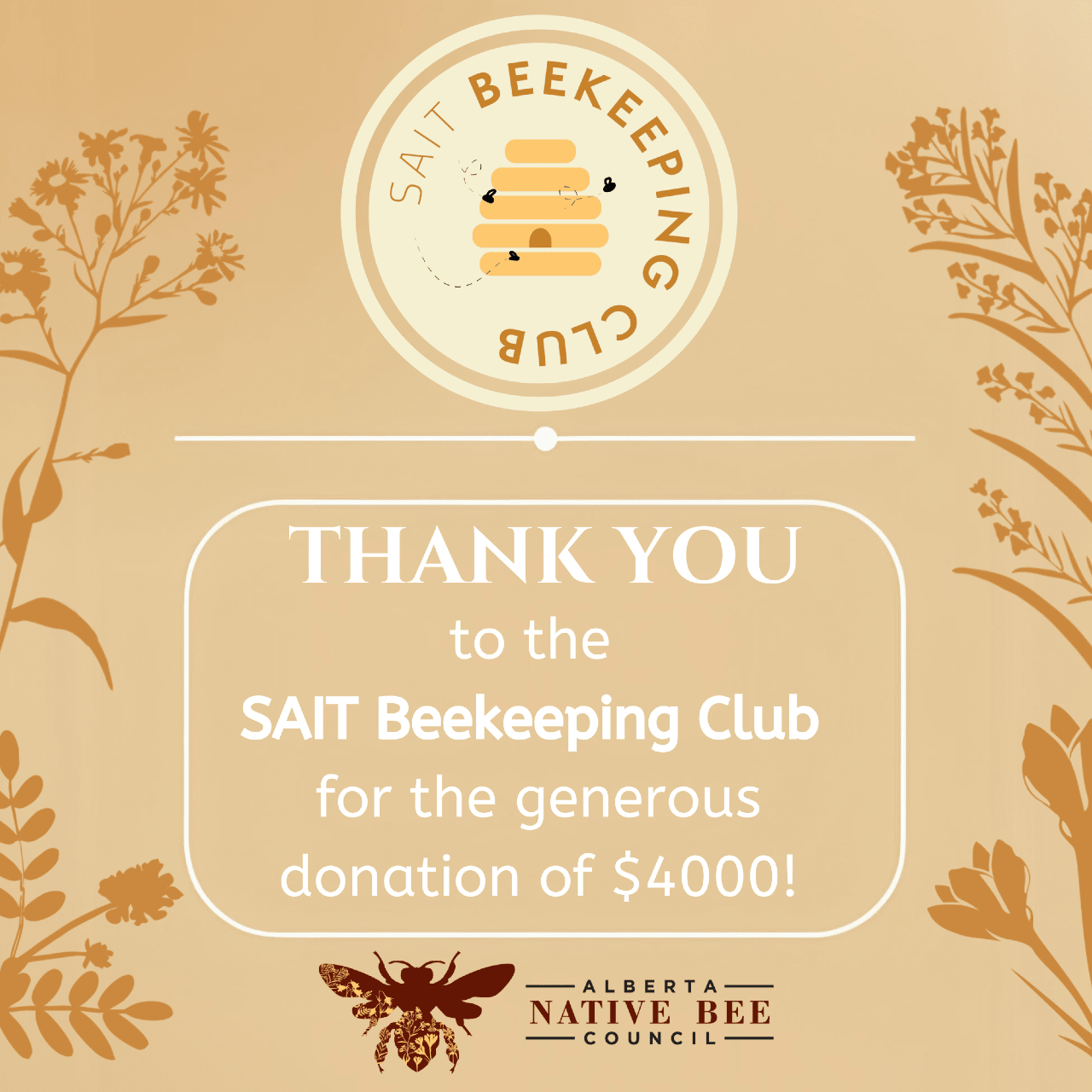
A massive thank you to the SAIT Beekeeping Club for their incredibly generous $4,000 donation.

Contributions like this are a total game-changer for us. Because these funds aren't tied to a specific project, they give us the flexibility to leverage additional grant funding, often doubling or even tripling the impact of the original gift.

It is so inspiring to see the next generation of beekeepers stepping up to protect our native pollinators. This support directly fuels our vital research, monitoring, and stewardship efforts across the province. 

Recognizing Our Donors

We’ve officially launched a Donor Recognition Page on our website to celebrate the incredible people who make our work possible.


To everyone who has contributed: Thank you. Your generosity fuels our mission, and we wanted a dedicated space to honor your support publicly.

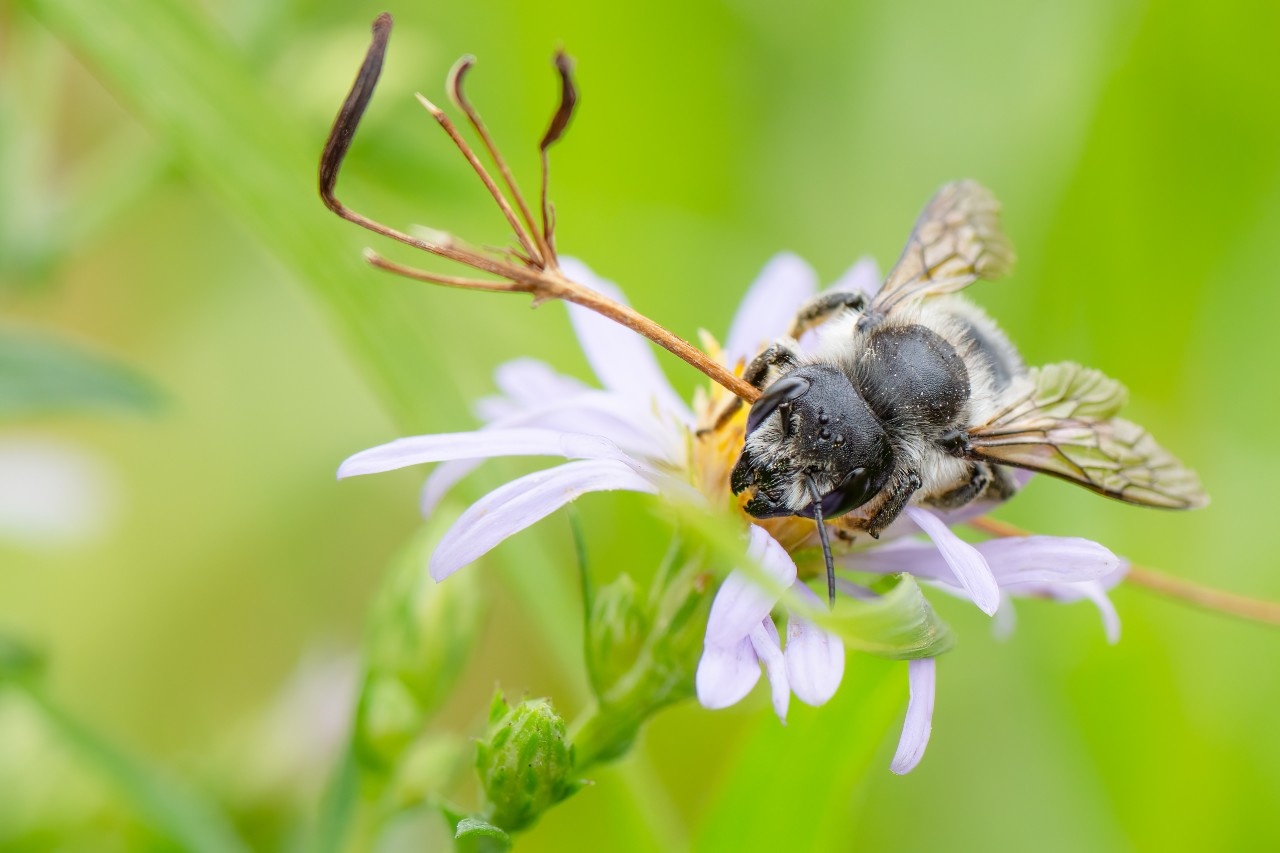
Leafcutter bee - Photo by Sheryl Garrison 

Image description

Donations in 2025


$100+

  • Banded Peak Brewing

  • Dan Johnson

  • Mindi Ganson

  • 2 anonymous donors

$50-$99

  • 1 anonymous donor

$1-$49

  • Ena Spalding


Donate to the ANBC

Our Events Page is Live!

Check out our Events Page to keep your eye on the upcoming events we are hosting or attending!

We're really excited to announce that we will be hosting a Native Bee Fest on June 7th in Calgary! Clear your calendars and stay tuned for more details!

  • Grande Prairie Bee Box Workshop (April 22, 2026) – Event Details

  • Saddle Hills Bee Box Workshop (April 23, 2026) – Event Details

  • North Glenora (Edmonton) Bumble Bee Box Workshop (April 26, 2026) – Event Details

  • Cochrane and Area Gardening Expo (April 26, 2026) – Event Details

  • Bee Box Workshop - MD Wainwright (April 28, 2026) – Event Details

  • Edmonton Horticultural Society Speaker Series: Native Bees (May 25, 2026) – Event Details

  • ANBC's Native Bee Fest - Calgary (June 7, 2026)

  • Pollinator Walk and Talk - St. Albert Botanical Park (June 24, 2026) – Event Details

  • Bee Box Workshop - St. Albert (June 24, 2026) – Event Details

  • Bee Box Workshop - Lesser Slave River (August 5, 2026) – Event Details

  • Bee Box Workshop - High Prairie (August 6, 2026) – Event Details


ANBC Membership 

Image description

Benefits for ANBC Members

Don't forget, ANBC members get great perks: voting rights, priority volunteer access, exclusive news, and savings on native plants. Join now and make a difference! 


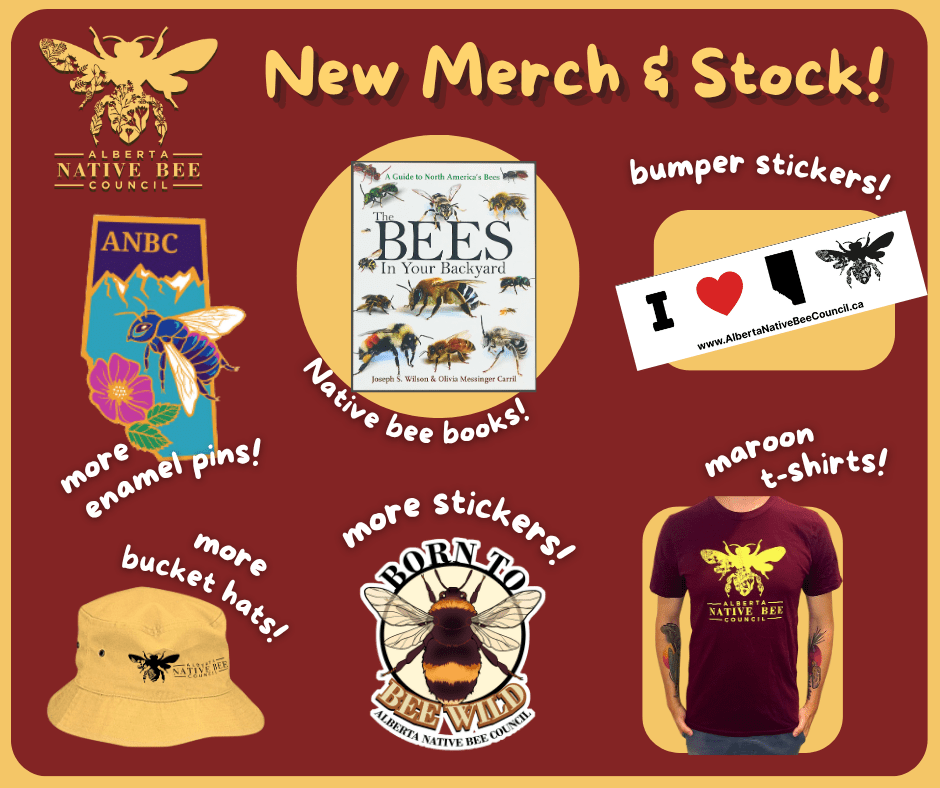
Members also receive 10% of items in our merch store, which has recently undergone an expansion! Check it out here.


If you have not yet received your membership discount code or native plant coupons, please contact [email protected]

ANBC's Partnership Program

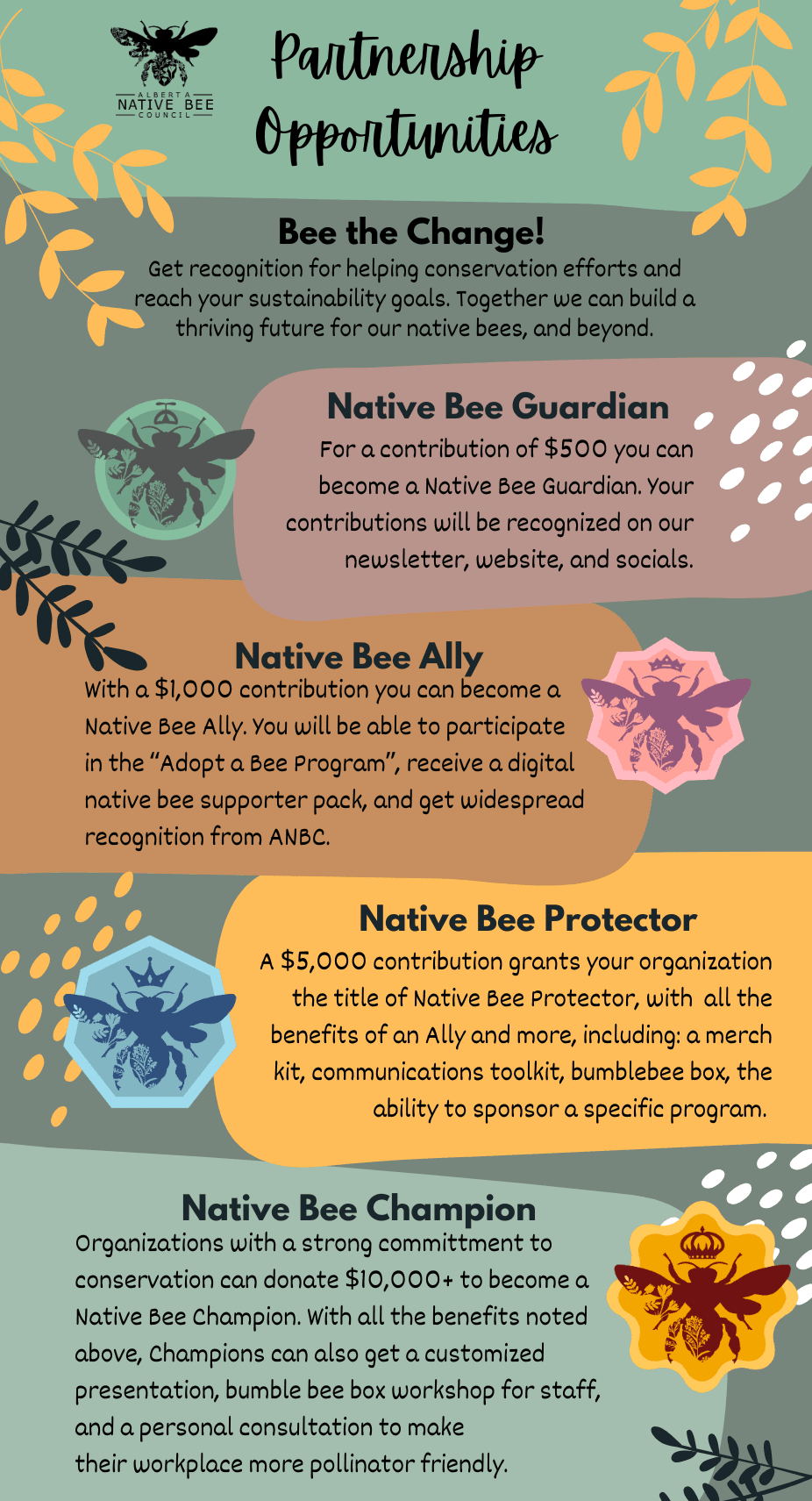
Interested in making a more meaningful contribution to native bee conservation? By becoming an Alberta Native Bee Council partner, your company will not only support essential bee conservation efforts but will also receive meaningful recognition and perks that highlight your commitment to environmental stewardship. Check them out here!

Image description
Image description
If you would like to unsubscribe, please click here.