͏‌ ͏‌ ͏‌ ͏‌ ͏‌ ͏‌ ͏‌ ͏‌ ͏‌ ͏‌ ͏‌ ͏‌ ͏‌ ͏‌ ͏‌ ͏‌ ͏‌ ͏‌ ͏‌ ͏‌ ͏‌ ͏‌ ͏‌ ͏‌ ͏‌ ͏‌ ͏‌ ͏‌ ͏‌ ͏‌ ͏‌ ͏‌ ͏‌ ͏‌ ͏‌ ͏‌ ͏‌ ͏‌ ͏‌ ͏‌ ͏‌ ͏‌ ͏‌ ͏‌ ͏‌ ͏‌ ͏‌ ͏‌ ͏‌ ͏‌ ͏‌ ͏‌ ͏‌ ͏‌ ͏‌ ͏‌ ͏‌ ͏‌ ͏‌ ͏‌ ͏‌ ͏‌ ͏‌ ͏‌ ͏‌ ͏‌ ͏‌ ͏‌ ͏‌ ͏‌ ͏‌ ͏‌ ͏‌ ͏‌ ͏‌ ͏‌ 
Is this email not displaying correctly? View it in your browser.
Image description
Image of David Joyner

Hey everyone! Happy April! My regular Class Central article is still awaiting publication, but here's a rundown of what I've put out this month:

  • Recaps from a couple events.

  • A couple blog post.

  • And of course, my top book of the month.

Let's get to it!


Image description

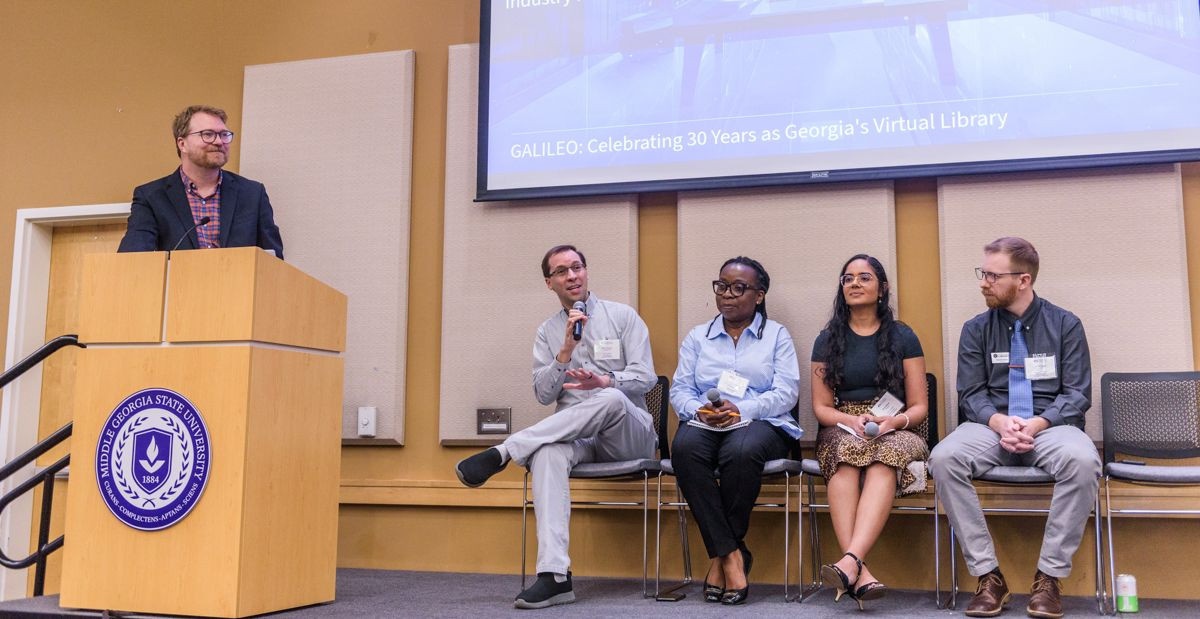
Keynote Panel at GALILEO 2026

On April 14, I had the pleasure of participating in the keynote session at the 2026 GALILEO Annual Conference. The conference this year focused on Intelligent Libraries and the role of AI in the future of libraries and library sciences. Read more about the panelists and the topic of the keynote panel here.

Image description

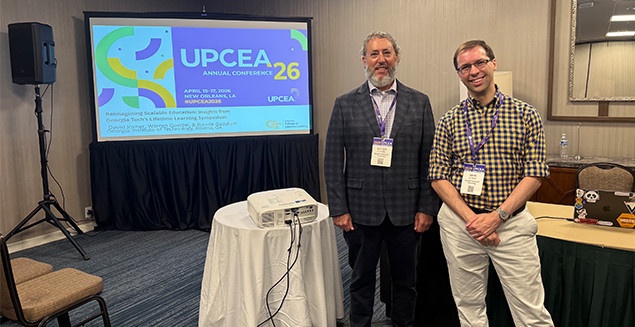
Presentation at UPCEA 2026

My colleague Warren Goetzel and I delivered a talk at the 2026 UPCEA Annual Conference in New Orleans, based on our annual Lifetime Learning Symposium. The talk focused on the history of affordable degrees at scale and the symposium that followed them, as well as the strategic plan for the new College of Lifetime Learning. Read more about the presentation here.

Image description

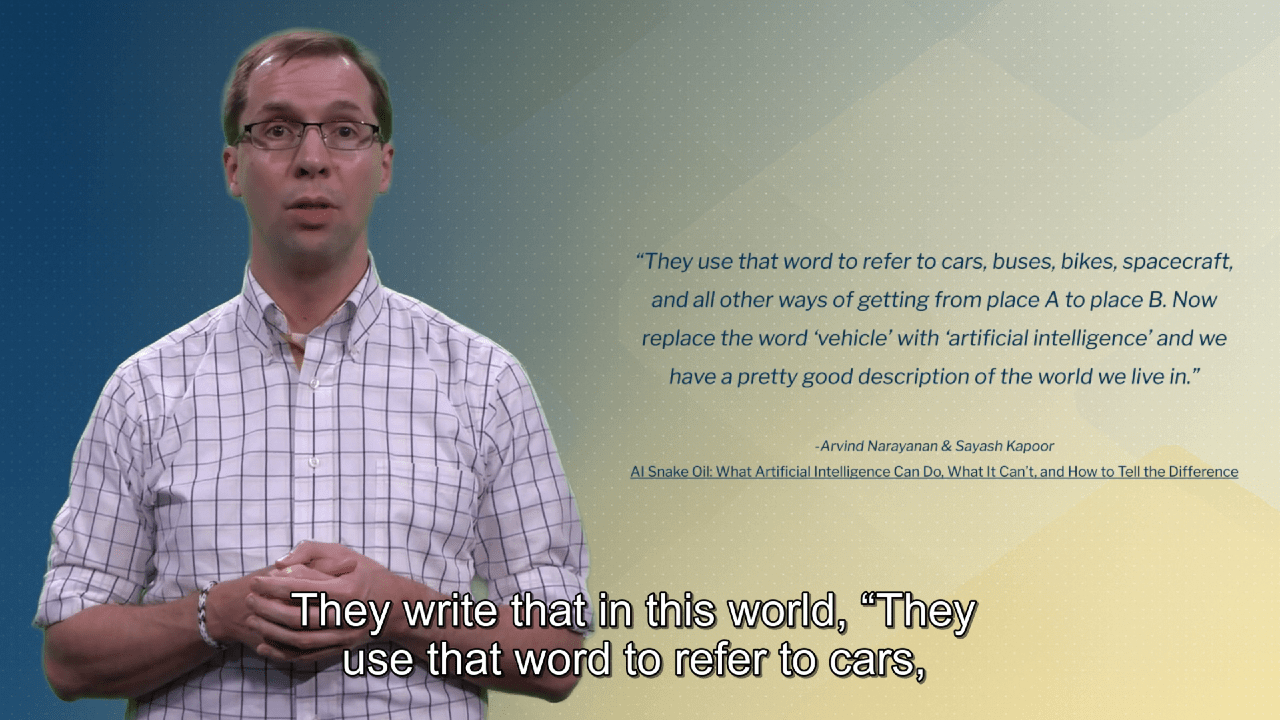
On AI Snake Oil

When I created Foundations of Generative AI last summer, I committed a cardinal sin: I quoted a book I hadn’t fully read. I saw the quote from the authors on LinkedIn and read the first chapter, but I hadn’t read the entire book.


This month, as I'll note below, I finally read the full book, and unsurprisingly it was fantastic: its examples were well-selected and well-explained, its explanation of the underlying technology was strong, and it had some truly compelling reasons to be skeptical of certain claims while legitimately excited or worried about others.


Since then, I've also learned about Arvind Narayanan and Sayash Kapoor's more recent work, deliberately framing AI as a "normal technology". They run a Substack newsletter on the same topic.


On my blog, I wrote a few thoughts, including on the seemingly convergent thinking around AI and citation collapse. Read more below.

Image description

Book(s) of the Month:

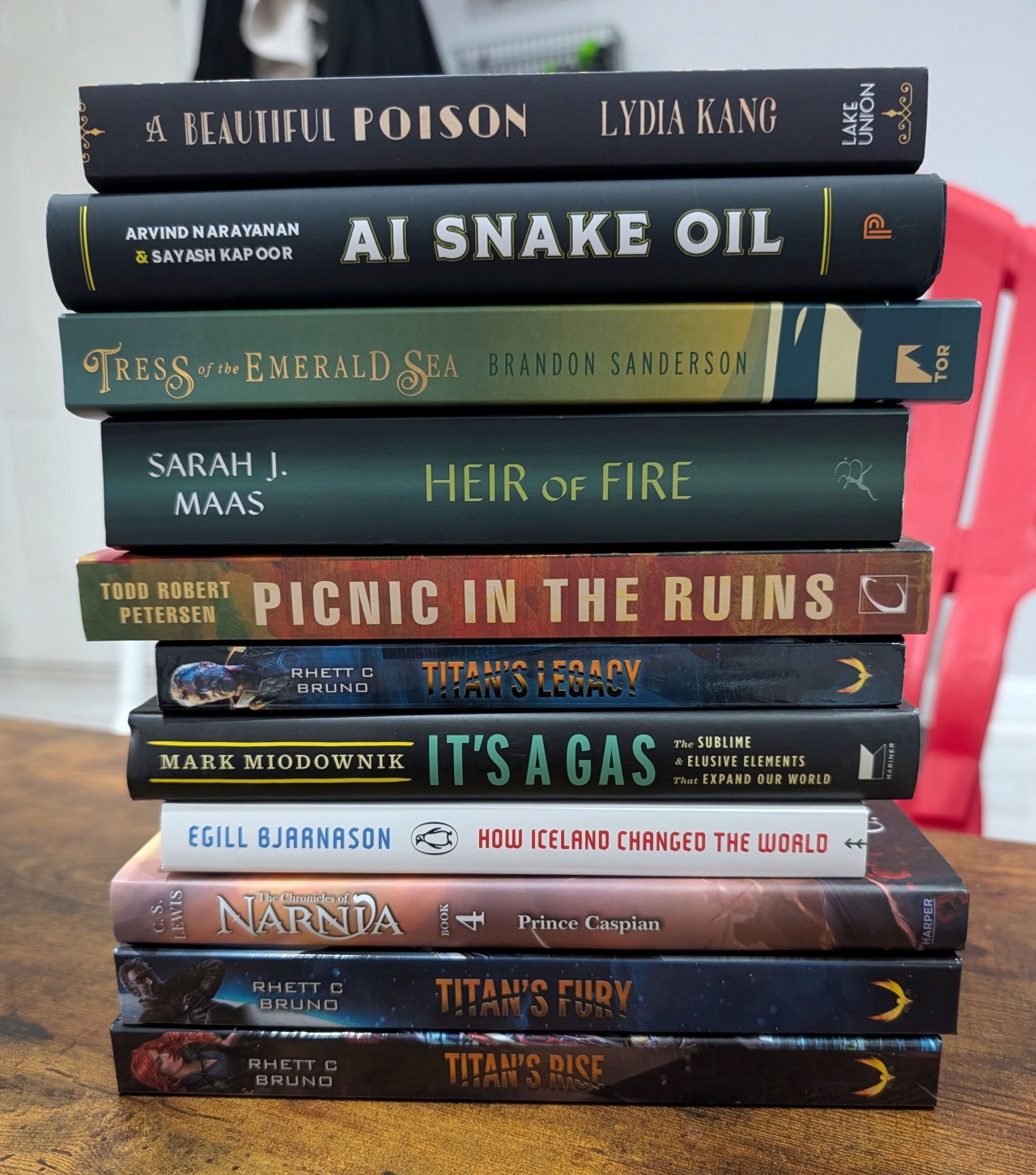
Children of Titan by Rhett C. Bruno and AI Snake Oil by Arvind Narayanan and Sayash Kapoor

This month, I couldn't possibly choose just one book. Really, I'm cheating in like three different ways: I'm choosing two books, but really I'm choosing four books because one of those two is in a series, and I read three of the books in that series this month. Except really I'm choosing the entire series because I read the first two last month. So it's really like six books.


But anyway: first, the entire Children of Titan series—Titanborn, Titan's Son, Titan's Rise, Titan's Fury, and Titan's Legacy—is fantastic. I'd compare it to a mixture of Star Wars and Dune, with something else thrown in there as well that I can't put my finger on. The narration (I did the audiobooks) is phenomenal, although I wish the first two books were merged and split: the series is written with book 1 and 5 from one character's point of view, book 2 from a different, and book 3 and 4 in alternating point of view; I would have rather had book 1 and 2 follow the alternating format of 3 and 4. But that's a nitpick. Overall, one of my favorite series.


Then of course, AI Snake Oil: What Artificial Intelligence Can Do, What It Can't, and How to Tell the Difference by Arvind Narayanan and Sayash Kapoor. I wrote about it above and in my blog, so I won't say more here, but it was phenomenal. I'll also note it introduced me to one of my favorite quotes about the changes underway with AI: "Fears about technology are fears about capitalism".


There were several other books I would recommend this month: A Beautiful Poison by Lydia Kang, always one of my favorite authors; Picnic in the Ruins by Todd Robert Petersen was a fun genre-bender; How Iceland Changed the World by Egill Bjarnason was fantastically interesting; and It's a Gas by Mark Miodownik was... well, about a lot more than just gases it felt like!


And I will say: I enjoyed Tress of the Emerald Sea by Brandon Sanderson, but I do think reading the Secret Projects books before the rest of the Cosmere was a mistake. They're standalone in the most generous definition of the term. They're standalone in the sense that yes, whipped cream technically can be a standalone dessert, but it's really meant to be consumed in a broader context.
Full Disclosure: As with on my blog, I use Amazon referral links in this section. That's mostly just a lightweight way to track and see if anyone's even clicking through. If you buy something through one of these links, I may get a bit of money back and achieve my dream of one day being able to buy the nicer set of kitchen scissors that Amazon sells instead of the bargain variety.

That's all for this month! As always, you can find more on my web site, including links to previous books, papers, courses, and my AI bot, DAI-vid. You can also find me on LinkedIn and on GoodReads. And if you want to leave me any feedback (about this newsletter or absolutely anything else), feel free to use my anonymous feedback form.

If you would like to unsubscribe, please click here.