Welcome to our March newsletter: Explore our latest news, research highlights and hydrologic modelling...
͏ ͏ ͏ ͏ ͏ ͏ ͏ ͏ ͏ ͏ ͏ ͏ ͏ ͏ ͏ ͏ ͏ ͏ ͏ ͏ ͏ ͏ ͏ ͏ ͏ ͏ ͏ ͏ ͏ ͏ ͏ ͏ ͏ ͏ ͏ ͏ ͏ ͏ ͏ ͏ ͏ ͏ ͏ ͏ ͏ ͏ ͏ ͏ ͏ ͏ ͏ ͏ ͏ ͏ ͏ ͏ ͏ ͏ ͏ ͏ ͏ ͏ ͏ ͏ ͏ ͏ ͏ ͏ ͏ ͏ ͏ ͏ ͏ ͏ ͏ ͏
| | As we transition into spring, we’re excited to share a new set of updates that reflect Aquanty’s ongoing work in advancing hydrologic forecasting and integrated hydrologic modelling. This month’s newsletter highlights a new HydroSphereAI case study focused on the January 2026 high-flow event on the Nanaimo River in British Columbia, demonstrating how machine learning-based |
|
|
| |
| |
|
| | forecasting can provide early insight into complex winter flood dynamics. We’re also preparing to unveil a new Canada1Water dataset and publication, marking another milestone in national-scale hydrologic modelling— keep an eye on our LinkedIn and the Canada1Water website for the full release.
As always we are looking to connect with HydroGeoSphere users and provide opportunities for new users to get up to speed fast. If you're attending the upcoming IAH-CNC conference at Dalhousie University and are curious about HGS consider attending our 1-day short course!
Together, these initiatives reflect our ongoing commitment to supporting researchers, practitioners and decision-makers with tools and insights that help address today’s increasingly complex water challenges. As always, thank you for your continued interest, collaboration and support.
- Steve Berg, General Manager, Aquanty Inc. |
|
|
| |
| |
|
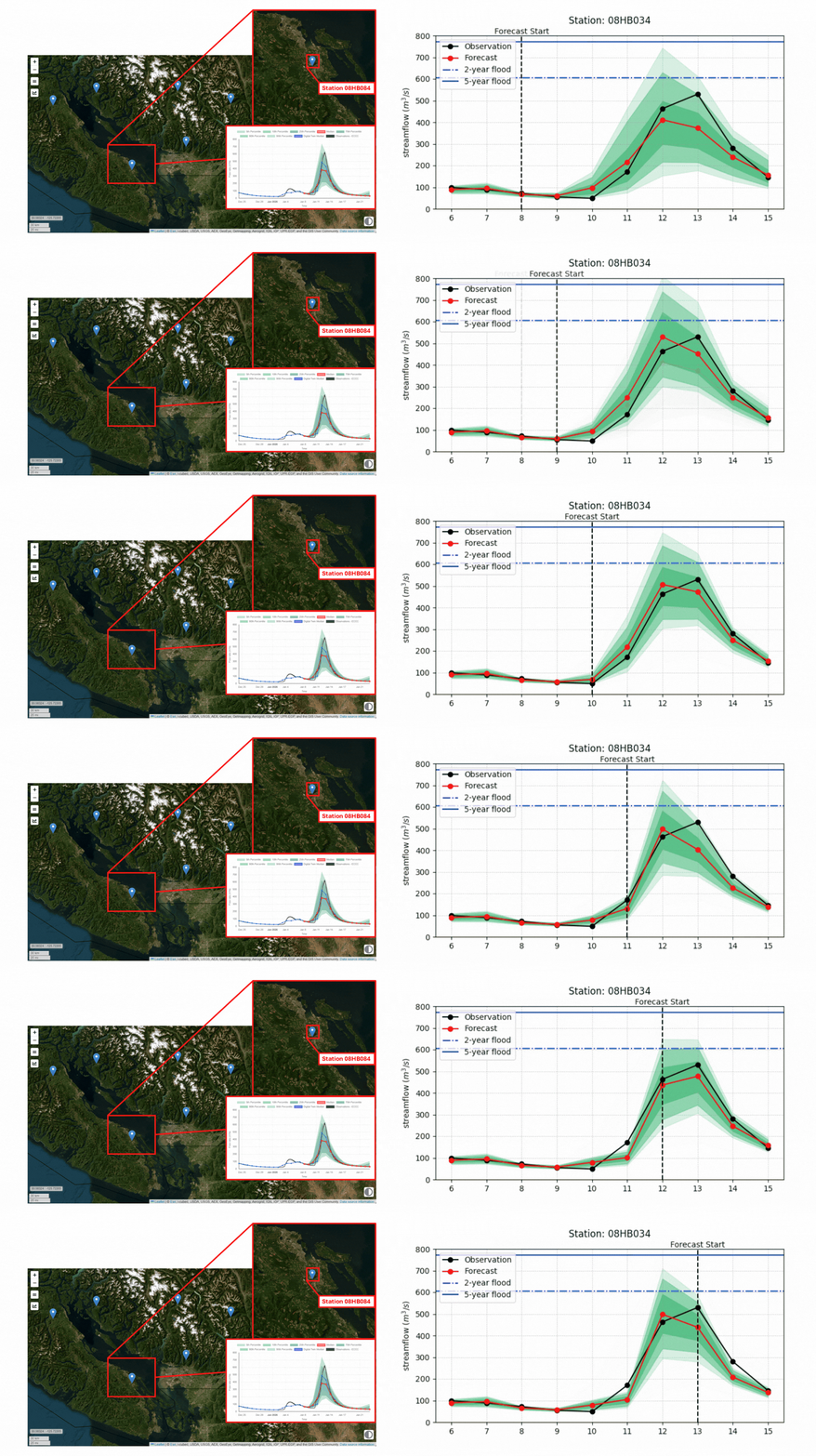
| | HydroSphereAI Case Study: Nanaimo River Near Cassidy – January 2026 High-Flow Event
On January 12, 2026, the Nanaimo River near Cassidy experienced significant flows, cresting at the 2-year flood mark. Winter storm systems sweeping across Vancouver Island brought prolonged precipitation to the watershed, driving river discharge well above average levels for the season. This case study highlights how HydroSphereAI (HSAI) tracked the event and how this information could be used by local stakeholders for flood warning/mitigation. Learn more. |
|
|
| |
| |
|
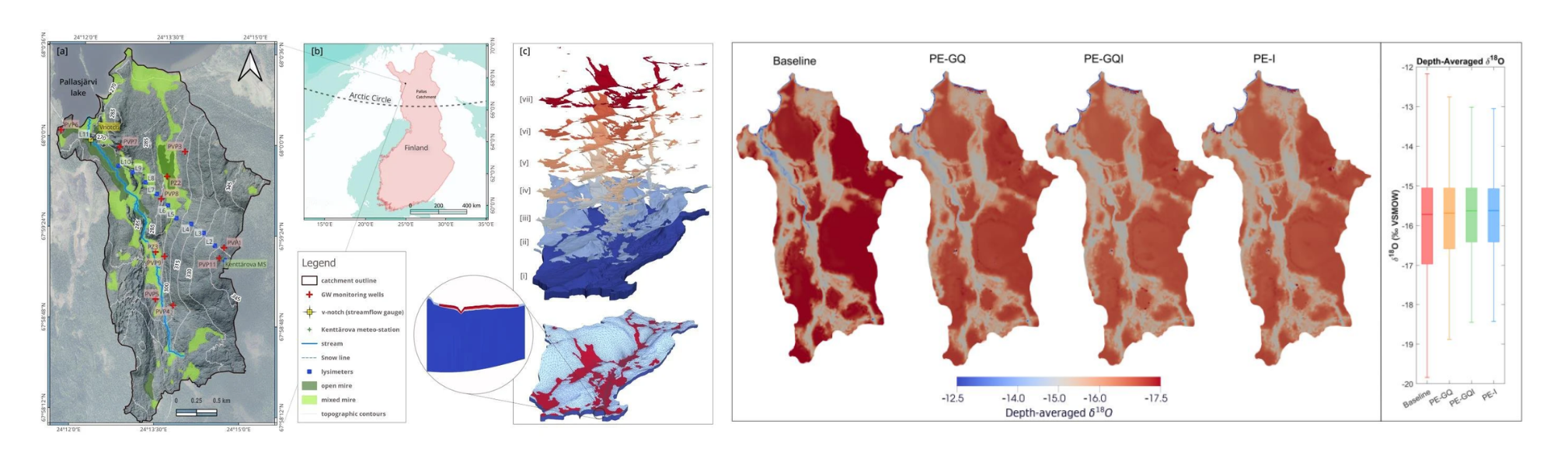
| | Canada1Water — Upcoming Data Release We’re excited to share that a new Canada1Water dataset and publication is coming soon.
This upcoming release will introduce a new national scale hydraulically-parameterized soils dataset integrating mineral soils, bedrock outcrops, and peatlands into a consistent framework for groundwater–surface water modelling and HydroGeoSphere applications. This dataset is designed to support more consistent and physically-based modelling of groundwater–surface water interactions across Canada.
We’ll be sharing full details, access information, and the accompanying publication in the coming weeks.
Be sure to follow Canada1Water on LinkedIn and check back soon for the official release.
|
|
|
| |
| |
|
| | Webinar: Advances In HGS Over the Last Decade Join us for an insightful webinar examining the evolution of HydroGeoSphere (HGS) over the last decade — from its origins as an ambitious integrated hydrologic modelling experiment to a widely trusted, industry-leading platform advancing groundwater and surface water simulations.
|
|
|
| |
| |
|
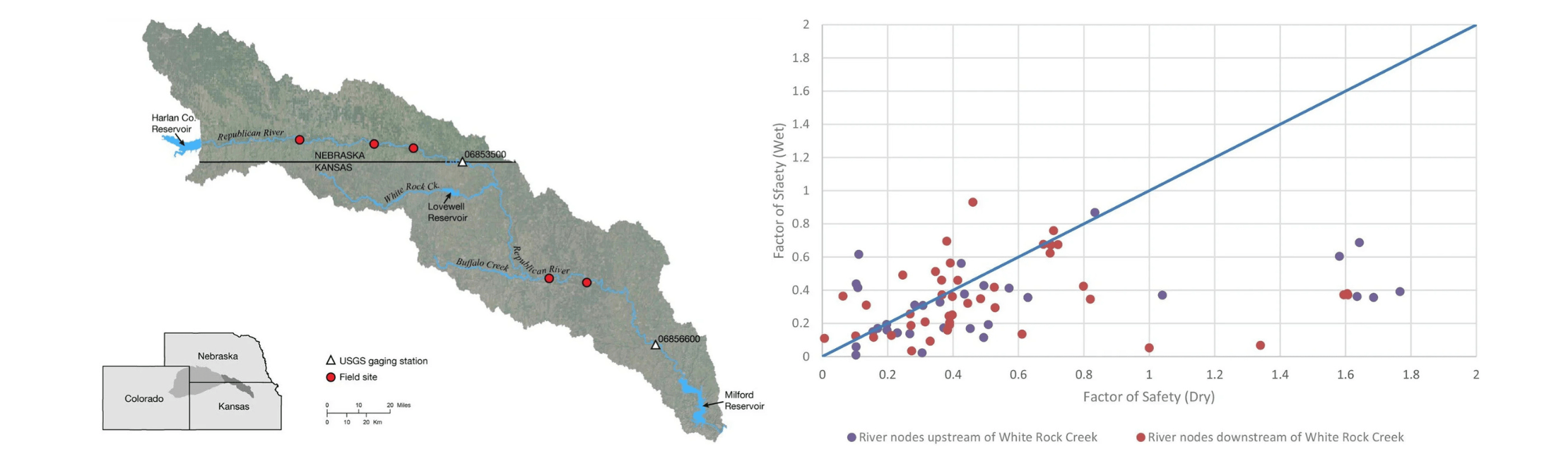
| | Quantifying the effects of water management decisions on streambank stability This research investigates how water management decisions influence streambank stability by altering subsurface hydrologic conditions. This study coupled HGS with the surface water operations model OASIS to address long-standing challenges in linking reservoir operations, groundwater pumping, and hydrologic dynamics to the physical mechanisms driving streambank failure. Read More. |
|
|
| |
| |
|
| | Intro to HydroGeoSphere Next session: April 1, 2026
Every month Aquanty's technical sales lead Brayden McNeill delivers a FREE 3-hour HGS crash course. This quick session will introduce topics such as the basic HGS workflow, the essential components of a *.grok file and visualizing model results. |
|
One-Day HydroGeoSphere Training Session Date: May 24, 2026 Location: Dalhousie University, Halifax, NS, B3J 0H4 Room: B229, Sexton Campus
Join Brayden McNeill, Aquanty’s Technical Sales Leader, for a one-day intensive course which explores the complete integrated hydrologic modelling process using HydroGeoSphere (HGS). |
|
|
| |
| |
|
| | Find our monthly HGS software update on our HGS Downloads page. A quick reminder that if you are updating to the Jan/Feb/Mar 2026 release there are some important installations steps to follow (one time only), find the details in the Release Notes.
The March 2026 software update is now available. This release introduces improvements to polygon tracking, enhancements to hgs2vtu processing, and several command deprecations as part of ongoing modernization of the HGS workflow.
Key updates include: Enhanced nodal polygon tracking commands with new sheet range inputs for more precise layer-based analysis hgs2vtu improvements, including fixes for channel exchange variables in NetCDF outputs and new cumulative time-series export options New time varying surface friction boundary condition for defining time-dependent Manning’s roughness coefficients Fix for "read zones from file" command when zone numbers exceed array defaults Several legacy formatting and debug commands deprecated as part of codebase cleanup
As always, we are committed to the continued improvement to the user experience. Do you have suggestions for new commands or improvements to the user experience? Send your ideas to [email protected]!
Read the release notes to see recent improvements to HydroGeoSphere. |
|
|
| |
| |
|
| | Copyright © 2025 Aquanty Inc., All rights reserved.
Aquanty Inc., 600 Weber St.N., Unit B, Waterloo, ON N2V1K4, Canada, (519)-279-1080 [email protected] |
|
|
| |
| |
|