Bottom Line Up Front (BLUF):
Uniforms exist and have always existed for clear identification.
Public shaming over uniform errors, especially of cadets, is never appropriate.
Chaplains and CDIs must be leaders in both adherence to regulations and compassionate correction.
Standards must be enforced through mentorship, dignity, and respect, reflecting CAP values.
There has been quite a deal of discussion and anxiety recently regarding the CAP's long-awaited adoption of the Air Force's current camouflage uniform, so I thought I'd stick my head in and talk about the subject of the day: Uniformity.
Now, uniformity itself is defined as "The quality or state of being uniform; freedom from variation or difference; resemblance to itself at all times; sameness of action, effect, etc., under like conditions; even tenor", or "Consistency; sameness." But this is simply the definition of the thing, not the purpose: why do we wear a uniform?
The reason we, and militaries throughout history, wear uniforms is to be “clearly identified”, not simply so that we can all wear the same socks. There is a real, historical, and practical reason for the uniform, and it's crucial that we keep that in mind. There has recently been an unfortunate rash of people – some of whom may be wearing a uniform inappropriately or contrary to regs – having their photos posted online and subject to correction by public decree, harsh criticism, and even outright mockery. Our cadets are not immune to this phenomenon, and we must be prepared not only to assist them in wearing the uniform correctly but in dealing with the very real fallout of public scorn, which is never appropriate, no matter the state of one’s uniform.
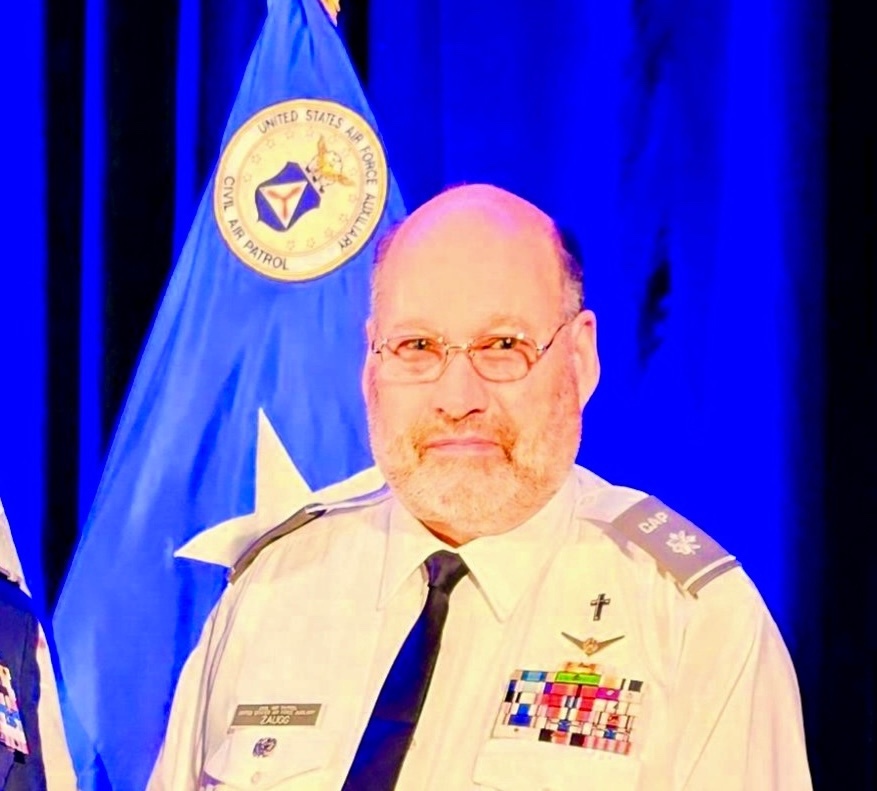
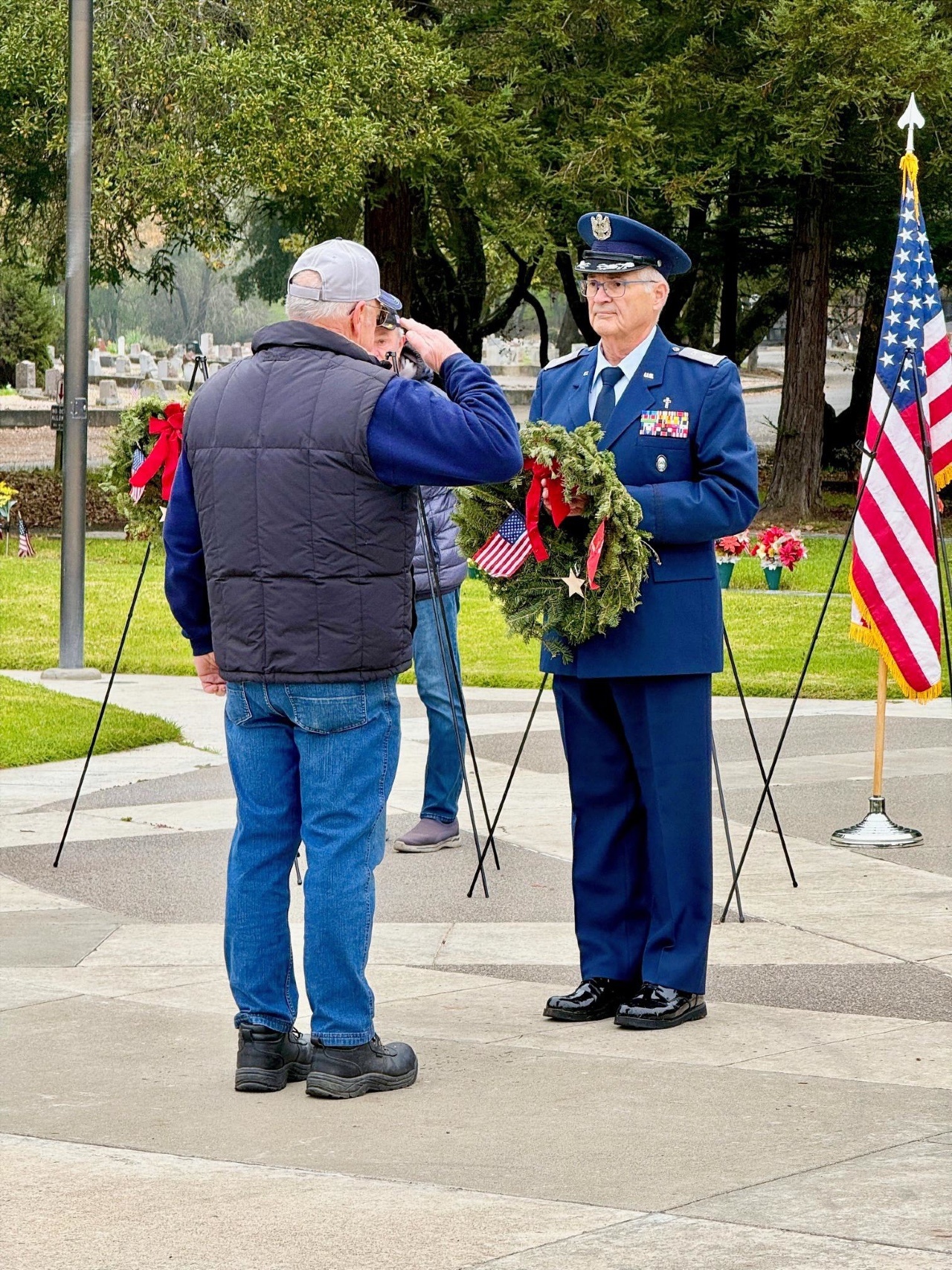
Chaplains and CDIs are, simply by the nature of the work that we do, constantly in the public eye. We not only provide instruction, but also moral guidance and pastoral care to both cadets who look to us as role models, and to adults who see us as trusted peers. The general public will see our photos at encampments, during our work with Seach and Rescue missions, and in the course of normal meetings – and they will not spare us from their eye or ire. The ability to wear our uniforms appropriately and well, with a firm understanding of the regulations, permits us to speak with authority when tensions inevitably arise over correct uniform wear. From that place of authority, we can help redirect conversations away from judgment and toward mentorship. We can remind some that regulations exist for a reason, including standards related to appearance, while also reminding others that cadets are, first and foremost, teenagers who deserve guidance, patience, and respect rather than mockery or condemnation. Our pastoral role empowers us to stand at the critical junction of regulation and understanding, enabling us to call for the highest of standards without losing sight of human dignity. We can, and must, ensure that our leadership is able to correct without humiliation, teach without shame, and be the model of discipline and discipleship.
All in all, let's remember that the point of a uniform is to be clearly recognized when out in the field. I hope that we can all pull together and ensure that when anyone sees the uniform of the Civil Air Patrol – any of our many uniforms – that they see reflected in those uniforms our values of Integrity, Volunteer Service, Excellence, and Respect, and that they know that we are “Always Ready."