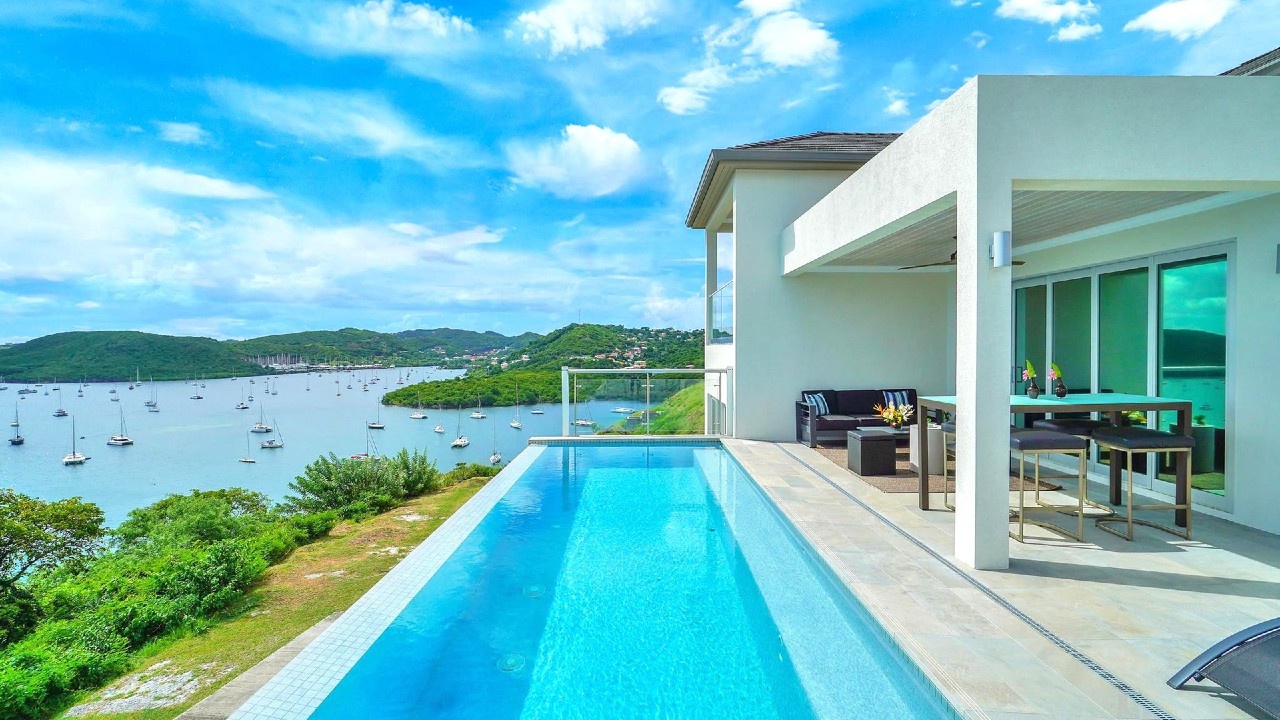
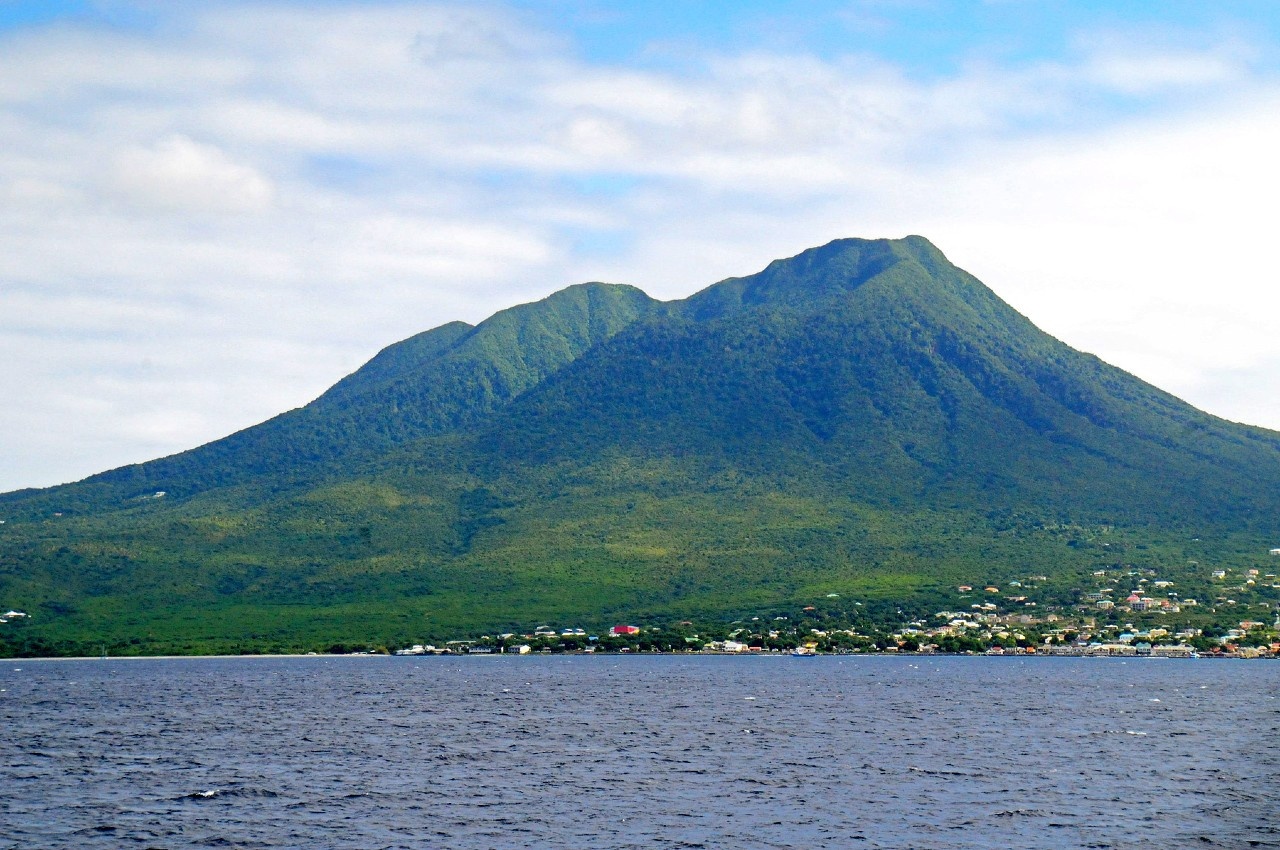
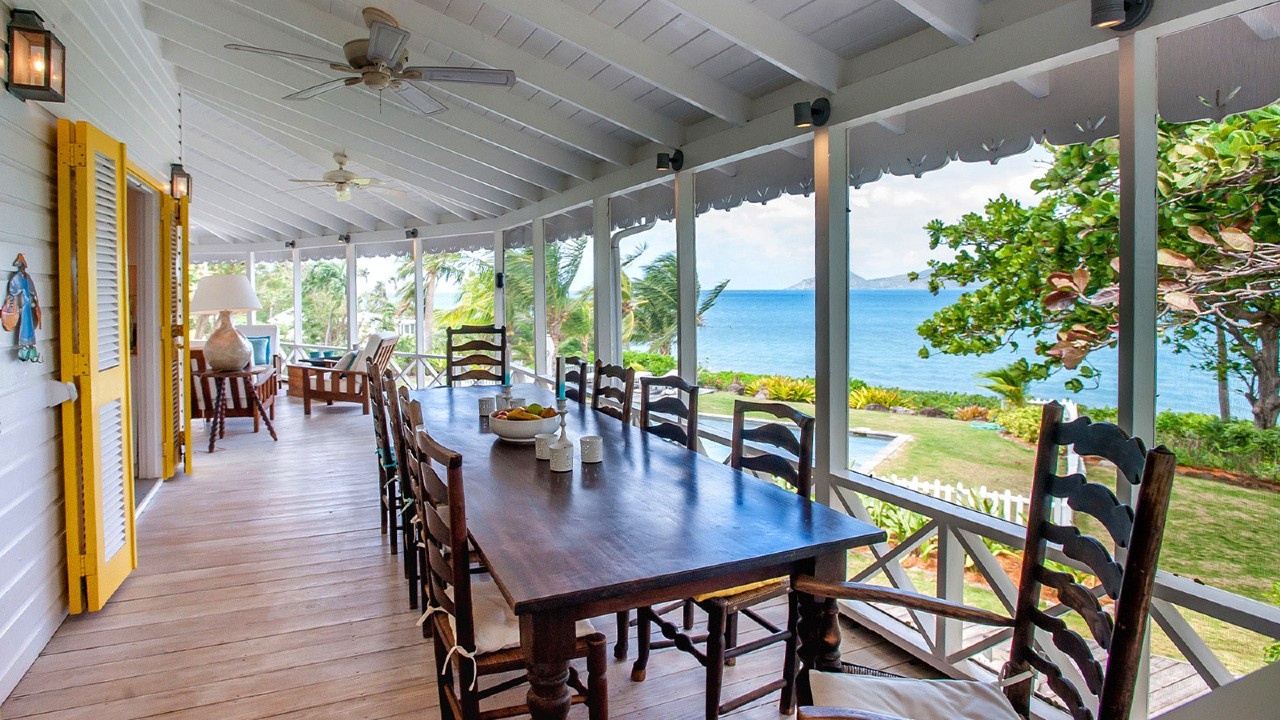
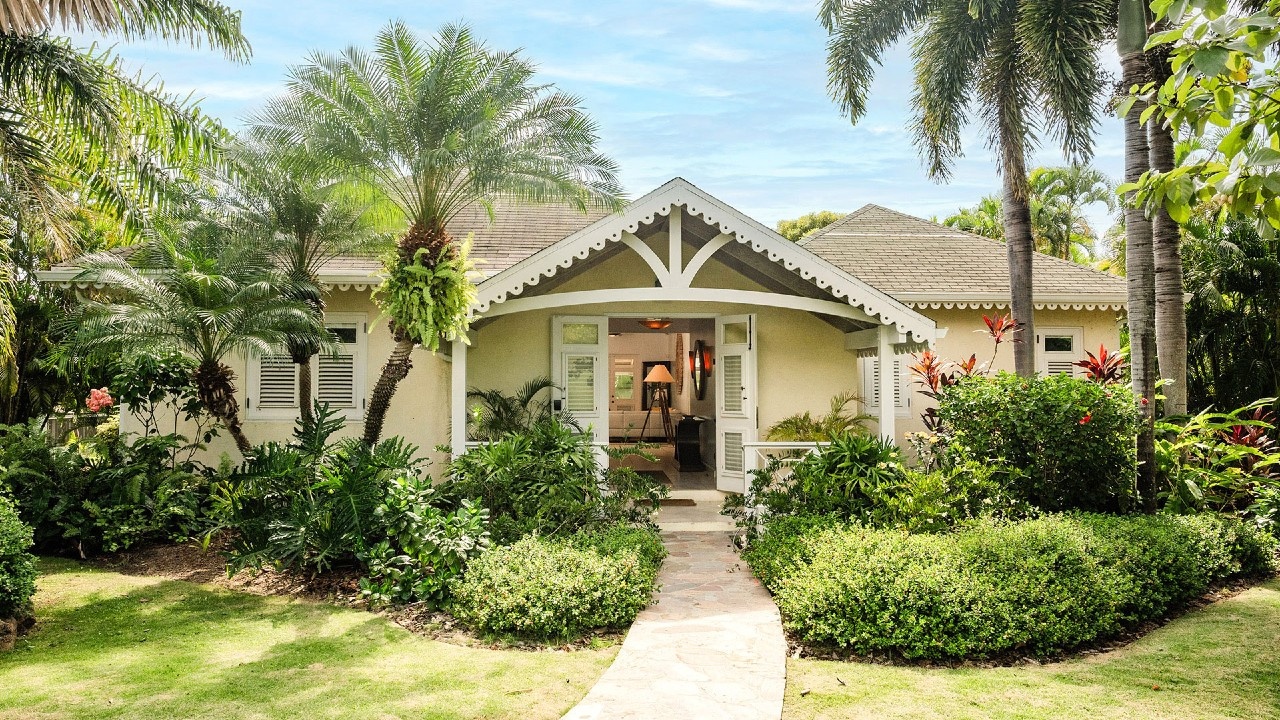
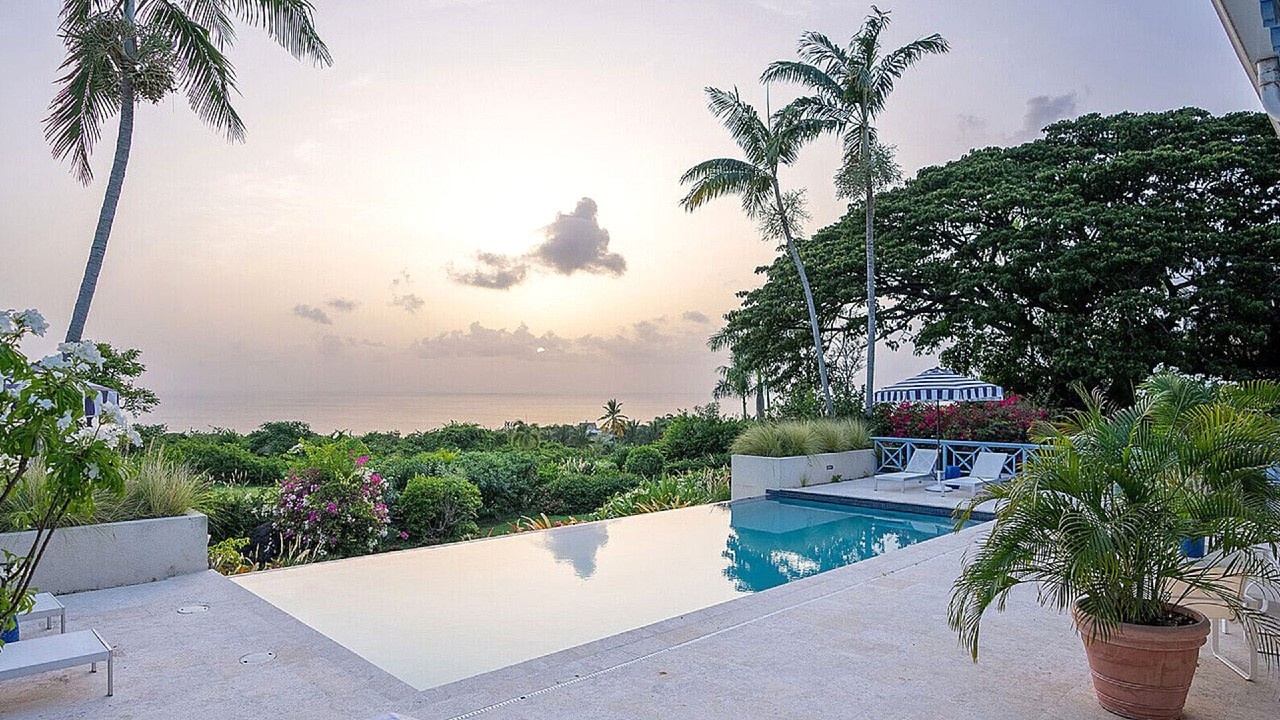
Sometimes compared to Hawaii or even Bali, tiny Nevis island floats in the Caribbean Sea like a sombrero surrounded by azure waters.
It was Christopher Columbus who named the island, when he first spotted it in 1493, “Nuestra Senora de las Nieves”--our Lady of the Snows—because of the halo of clouds that perpetually encircles the mountain top.
The magnificent Nevis Peak, a quiet volcano that has not erupted in thousands of years, provides a verdant centerpiece for the 36-square-mile island. History abounds on Nevis with a landscape dotted with relics of stone windmills, great houses, and beautiful stonewalls.
Nevis is part of the Federation of St. Kitts and Nevis, the smaller of the twin islands that are separated by two miles of open sea. One federal government and prime minister oversees the two, while Nevis has its own premier and local governing body. Usually considered to be the quieter of the two islands, Nevis offers a beautiful place in which to live or visit, and many expatriates now call Nevis “home.”
Historically, Nevis holds some import throughout the world. Known for its sugar production in the 17th and 18th centuries, Nevis was one of the most productive of all the islands, earning it the name “Queen of the Caribbees.” Remnants of the days of King Sugar have been transformed into some of the island’s greatest attractions, such as Golden Rock Hotel, Montpelier Plantation, and Hermitage Plantation Inn—three unique small hotels on the island.
One very important American had his roots in Nevis. Founding father Alexander Hamilton was born in Charlestown in 1755 and raised by his mother Rachel there until he moved to St. Croix at 12. This man, who became America’s first Secretary of the Treasury, apprenticed as an accountant and was believed to developed his great banking acumen at that point. It is also believed that his early years, living amongst enslaved people on Nevis, made him part of the anti-slavery movement in the United States. Details about his life on Nevis and after can be seen at his birthplace, which is now the Museum of Nevis History in the capital city of Charlestown.
Another famous historical figure on Nevis was British Admiral Lord Horatio Nelson, who came to the island to enforce the British Navigation Acts. While on Nevis, he fell in love and married Frances (“Fanny”) Woolward Nisbet, a politically connected and wealthy young widow in 1787, and legends about Nelson on the island abound.
During that same era, visitors began to visit Nevis to enjoy the thermal baths near Charlestown—created by the volcanic nature of the island. Still today at the streams by the Bath Hotel, visitors come to soak in the 107-degree hot sulfur springs.
An amusing aspect of the island, designed to entertain both young and old, are the many “wild” animals that roam the island, the most exotic of course are the green vervet monkeys, which were supposedly brought to the island by the French invaders. Believed to outnumber people on the island, the roving troops of monkeys are a highlight for all visitors. Add to that goats, sheep, cattle, and donkeys that wander around freely often causing traffic to stop as they saunter across.
Aside from history, Nevis offers a wonderful place for a variety of activities. It is small, but there’s never a dull moment on the island for those who like to keep active. Watersports abound from snorkeling, kayaking, deep-sea fishing, windsurfing, SCUBA, sailing, jet skis, and swimming. Hiking to Nevis Peak, to the water source, to historic sites, and to some newly discovered waterfalls are very popular. Land games like tennis and golf capture the attention of aficionados from throughout the globe with the award-winning Robert Trent Jones II golf course and the Peter Burwash International Golf Center, both at the Four Seasons Resort Nevis.
A busy social scene keep residents and visitors busy with many restaurants and foods from all over the globe, though the local goat water, salt fish and Johnnie cakes, and freshly-grown vegetables are what most people enjoy eating. Grilled lobster and deep-sea catch like mahi-mahi, wahoo, and snapper fill the bill.
Eating, playing, and enjoying the nightly blast of sunset often with the accompanying green flash, make Nevis a delight from morning until night.
Author Suzanne Gordon is owner of Sugar Mill Real Estate on Nevis. She also has a master’s degree in Historic Preservation and is very active with the Nevis Historical and Conservation Society and is co-author of the book Searching for Sugar Mills: An Architectural Guide to the Eastern Caribbean.
More about Nevis at The Tropical Life