Join us to hear latest innovations in CBM research!
͏ ͏ ͏ ͏ ͏ ͏ ͏ ͏ ͏ ͏ ͏ ͏ ͏ ͏ ͏ ͏ ͏ ͏ ͏ ͏ ͏ ͏ ͏ ͏ ͏ ͏ ͏ ͏ ͏ ͏ ͏ ͏ ͏ ͏ ͏ ͏ ͏ ͏ ͏ ͏ ͏ ͏ ͏ ͏ ͏ ͏ ͏ ͏ ͏ ͏ ͏ ͏ ͏ ͏ ͏ ͏ ͏ ͏ ͏ ͏ ͏ ͏ ͏ ͏ ͏ ͏ ͏ ͏ ͏ ͏ ͏ ͏ ͏ ͏ ͏ ͏
| ACBM SPRING WEBINAR
AI in Cognitive Bias Modification: Challenges and OPportunities |
|
Wednesday 1st April 2026 9am-10.30am GMT |
|
Registration closes Wednesday 25th March 2026 ACBM Member registration fee: $0 USD (free) Non-member registration fee: $25 USD |
|
|
| |
|
|
| AI Meets Mental Health: What Happens When ChatGPT Writes CBM-I Materials? Che-Wei (Jerry) HSU 1The University of Otago, Department of Psychological Medicine, NZ 2 Otago Polytechnic, College of Community Development and Personal Wellbeing, NZ |
|
CBM-Interpretation targets negative interpretation bias, but developing materials is resource-intensive. Here, we examined whether AI could support CBM-I development. Study1: ChatGPT rated human- and AI-generated assessment scenarios; although results wereinconclusive, ratings aligned with intended bias direction and were more precise for AI materials. Study2: participants with self-reported depression rated AI and human CBM-I scenarios as different but directionally consistent, with greater AI precision. Study3: both AI- and human-generated CBM-I interventions reduced negative interpretation bias relative to controls, with non-inferiority between AI and human materials. Findings suggest AI may support CBM-I development to promote scalability and personalization of training materials. |
|
|
| |
|
|
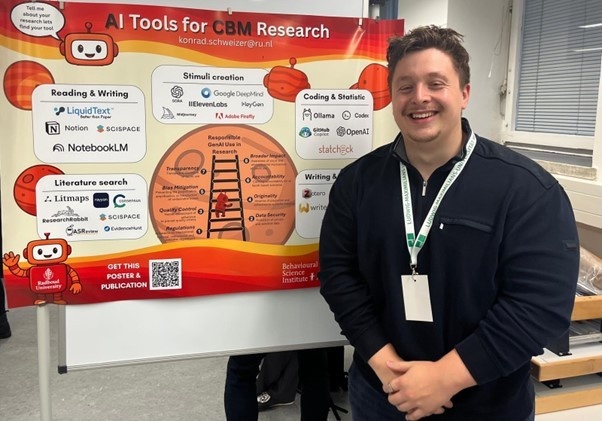
| Responsible Usage of GenAI within CBM Research Konrad Schweizer Radboud University |
|
The future of cognitive bias modification will likely combine human conceptual innovation with rapid machine-driven execution. Generative AI already enables the creation of highly realistic experimental stimuli and even the construction of complete experiments. Images, videos, audio, avatars, text, and the underlying code can now be produced within days rather than months. This talk will provide a brief overview of what is already possible and point you to practical resources so you can apply these tools in your own work. |
|
|
| |
|
|
| You are receiving this email because you are signed up for our newsletter. Contact us at: [email protected] |
|
|
| |
|
|