Chaplain Support Teams are busy serving summer encampments. We would like to share a few reflections from the field.
Best Practices for Chaplains at Cadet Encampments
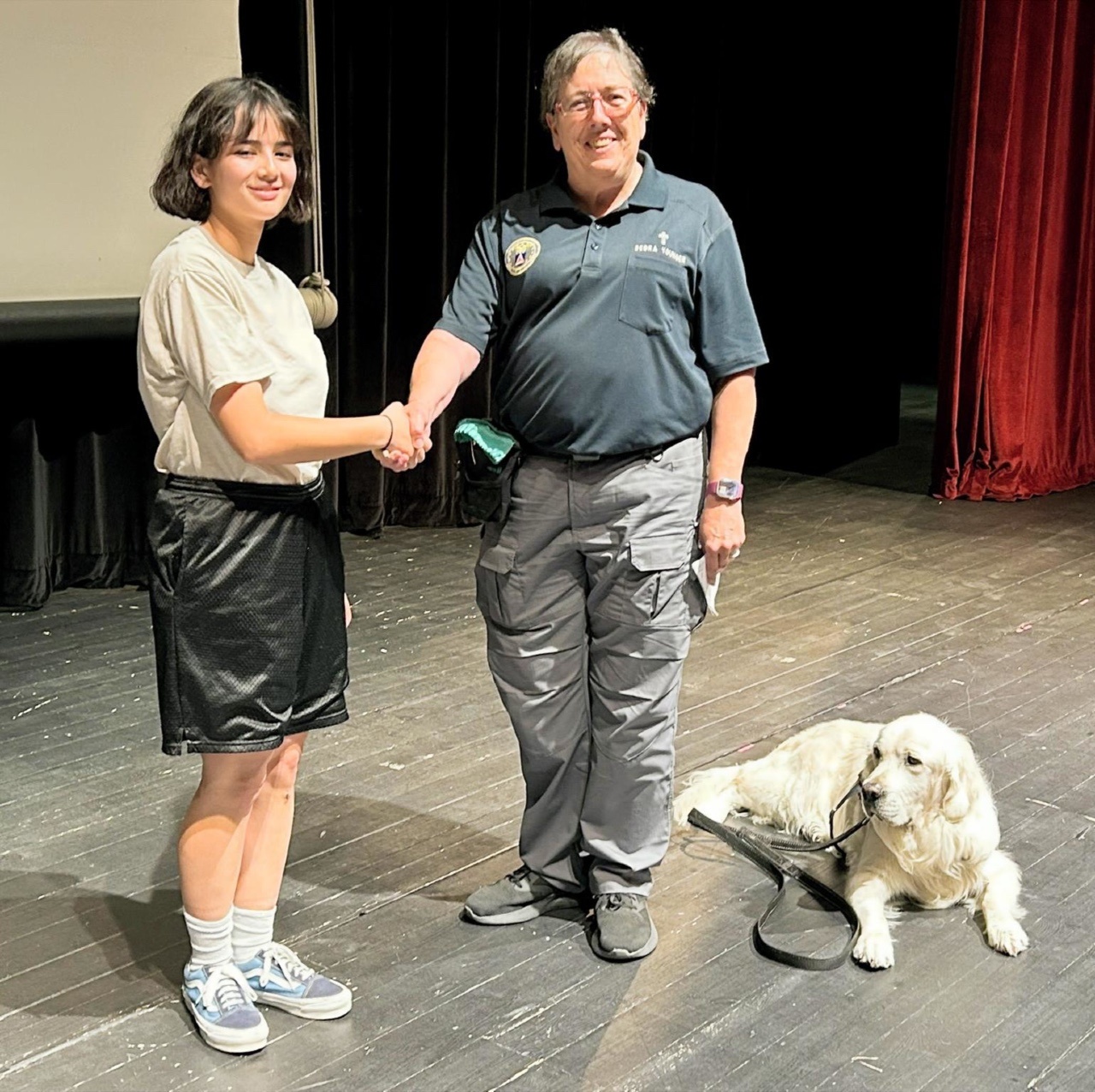
One of our core roles as chaplains is the Ministry of Presence. This doesn’t mean standing off in the shadows; it means being fully engaged. Be visible, approachable, and interactive. Walk alongside cadets and seniors alike; often, the latter need our support just as much. As the Army says, “boots on the ground.” Build trust by being present before a crisis hits. Familiarity opens doors. As the encampment season begins, prepare your heart, pray, and stay energized. Your presence matters - not just where you are, but who you are while you're there.
Chaplain (Maj.) Mark Shulman
Northeast Region Deputy Chaplain
Chaplains in Action: Core Responsibilities at Encampment
Effective chaplain teams engage cadets and staff through a variety of purposeful interactions. It starts with visual presence — a friendly face in the DFAC line, a nod in passing. From there, casual conversations help build trust and familiarity. As needs arise, chaplains offer encouragement for those who are homesick or overwhelmed and provide deeper emotional or spiritual care as needed. Chaplain teams also support adult staff, who often carry unseen burdens. Opportunities for spiritual connection, like prayer circles or devotionals, uplift the group. Every encounter matters—whether it's mentoring, escorting to medical care, or simply showing up with compassion.
Chaplain (Maj.) Dovid Grossman
Deputy Chief, Plans and Programs
It takes a Team to Care for our Members
The combined resources of Safety, Medical, and Chaplaincy, working side by side at encampment, benefits everyone. Often, medical issues are just a way to avoid undesirable activities (I.e., P.T. or drill). Recognizing these signs and intervening frees up medical for real medical issues. It is essential to note the experience and understanding each team member has with cadets. Working together with others to ensure cadets are well-fed and rested promotes resilience and is part of helping students have an “outstanding” experience. The most effective chaplain(s) are those working with others as a team effort, supporting the success of the encampment.
Chaplain (Lt. Col.) Larry Killian
Southwest Region Chaplain
BE PREPARED! (physically and emotionally)
At encampment, emotional readiness is essential for cadets facing physical challenges, strict discipline, harsh weather, and new social dynamics. These pressures can trigger stress, anxiety, and homesickness, especially in younger, first-time attendees. A strong support system is essential, and chaplains play a crucial role in providing guidance, comfort, and a calming presence. For this reason, the chaplain’s resiliency and health are vital. By staying as physically fit as possible, emotionally grounded and composed, we can model healthy coping strategies and respond effectively in times of crisis. Prioritizing emotional well-being – for both cadets and adults – helps ensure that encampments are not just challenging for the sake of challenge, but also deeply formative.
Chaplain (Capt.) Aaron M Gonzenbach
San Francisco Bay Group 2 Chaplain
Diablo Composite Squadron 44 Chaplain
Coaching Spiritual Resiliency at Encampment
Long activities like encampments challenge cadets’ usual spiritual routines. Chaplains can model and teach spiritual resiliency—the ability to adapt when time, schedules, or fatigue disrupt familiar practices. Cadets must meet CAP sleep requirements, which can limit traditional devotional times. This becomes a teachable moment: encourage them to find time for spiritual habits creatively—at meals, breaks, or during personal time. Help them see that flexibility doesn’t mean compromise, but growth. By guiding cadets through these adjustments, we prepare them not just for encampment but for real life, where spiritual discipline often requires adaptability.
Chaplain (Capt.) Joseph E. Salmoiraghi
Colorado Wing Group 3 Chaplain