͏‌ ͏‌ ͏‌ ͏‌ ͏‌ ͏‌ ͏‌ ͏‌ ͏‌ ͏‌ ͏‌ ͏‌ ͏‌ ͏‌ ͏‌ ͏‌ ͏‌ ͏‌ ͏‌ ͏‌ ͏‌ ͏‌ ͏‌ ͏‌ ͏‌ ͏‌ ͏‌ ͏‌ ͏‌ ͏‌ ͏‌ ͏‌ ͏‌ ͏‌ ͏‌ ͏‌ ͏‌ ͏‌ ͏‌ ͏‌ ͏‌ ͏‌ ͏‌ ͏‌ ͏‌ ͏‌ ͏‌ ͏‌ ͏‌ ͏‌ ͏‌ ͏‌ ͏‌ ͏‌ ͏‌ ͏‌ ͏‌ ͏‌ ͏‌ ͏‌ ͏‌ ͏‌ ͏‌ ͏‌ ͏‌ ͏‌ ͏‌ ͏‌ ͏‌ ͏‌ ͏‌ ͏‌ ͏‌ ͏‌ ͏‌ ͏‌ 
Is this email not displaying correctly? View it in your browser.
Image description

What to do in NVCA’s conservation areas

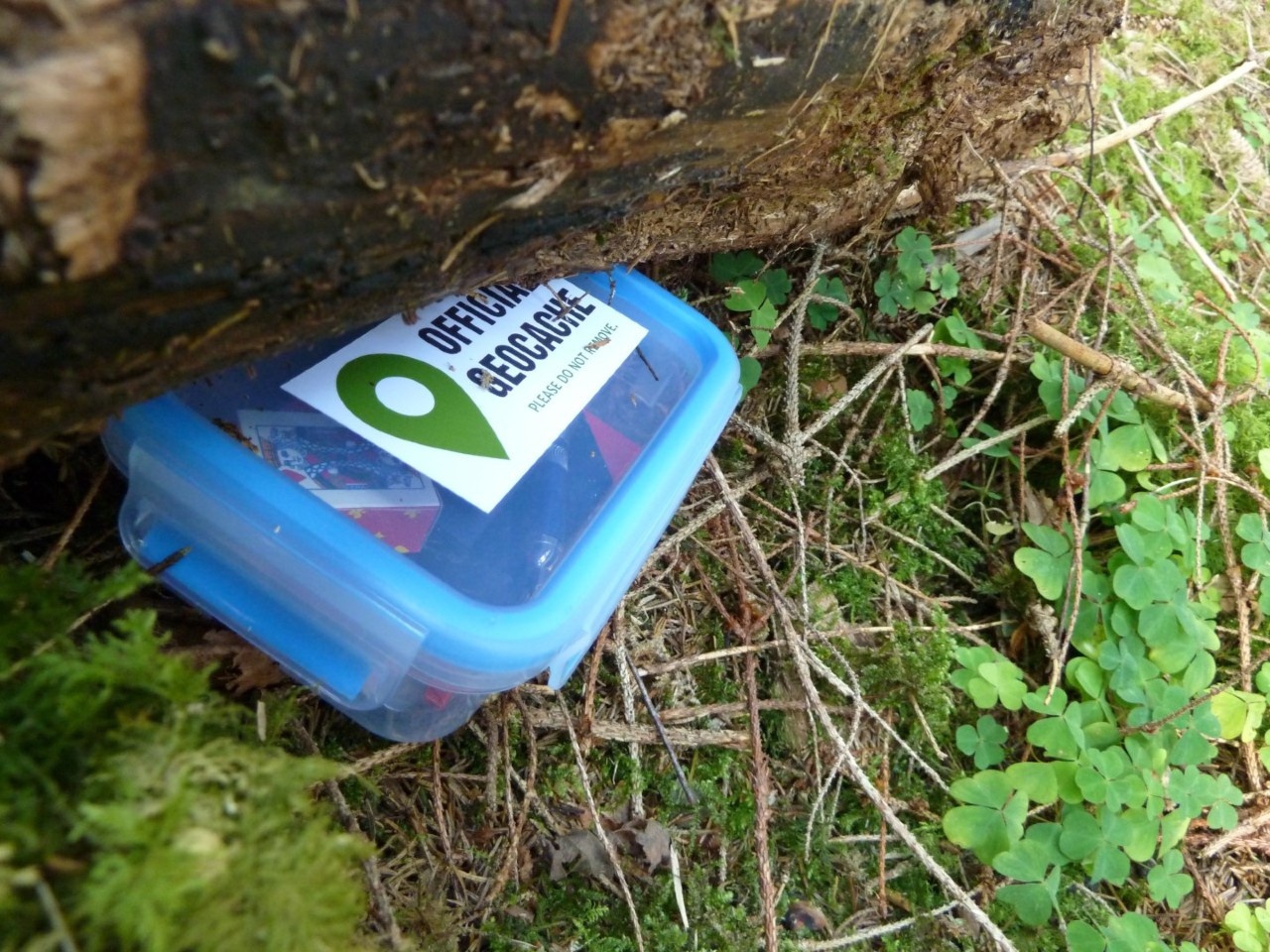
A geocache at an NVCA conservation area

Did you know that there are many other activities you can do other than hiking in NVCA’s conservation areas? Here are a few ideas for you:


Bring a picnic!

Enjoy nature with family and friends or relax after a day full of adventures! Visitors are welcome to lunch and snacks, but we ask that you bring any uneaten food and waste home. Find picnic tables at Tiffin, Nottawasaga Bluffs, Glencairn, Petun, Edenvale, Fort Willow and Utopia Conservation Areas!

Find out where the best conservation area to picnic near you is:

https://www.nvca.on.ca/conserv...


Dog Walking

Many dogs love coming to NVCA’s conservation areas! To ensure everyone’s safety and enjoyment, remember to follow these rules when exploring conservation areas with your pooch:


• Keep dogs on a leash no longer than 2 metres at all times.

• Owners clean up after their pets.

• A maximum of three pets per person/family.

• Don’t leave them unattended!


Learn more about taking your doggo for a walk at our conservation areas here:
https://www.nvca.on.ca/conserv...


Disc Golf

The Tiffin Centre for Conservation offers a 9-hole disc golf course that winds around Papa Bear Pond, Mama Bear Wetland and Baby Bear Pond. The Goldilocks Disc Golf Course is suitable for players of all ages. The course starts at the parking lot by the picnic pavilion.

Learn more about disc golf at NVCA conservation areas here:
https://www.nvca.on.ca/conserv...


Bird Watching

Did you know that over 300 species of birds have been identified within NVCA’s watershed? With a bit of experience, bird watching can be enjoyed in NVCA’s conservation areas!


Learn more about bird watching in NVCA’s conservation areas here:

https://www.nvca.on.ca/conserv...


Geocaching
Geocaching is the world’s largest treasure hunt, and there are ‘caches’ hidden in most NVCA conservation areas. 


Geocaches come in all shapes and sizes. Geocaches can look very different from one another. Some will be small containers, others will be micro containers the size of your fingernail. Make sure to read the size in your app to get on the right path.


When Geocaching, remember to only walk on maintained trails and public areas to find geocaches. Geocaches will never be buried, so please don’t create holes to find the treasure!


Learn more here


See what other activities you can do in NVCA's conservation areas

The Truth About Ticks

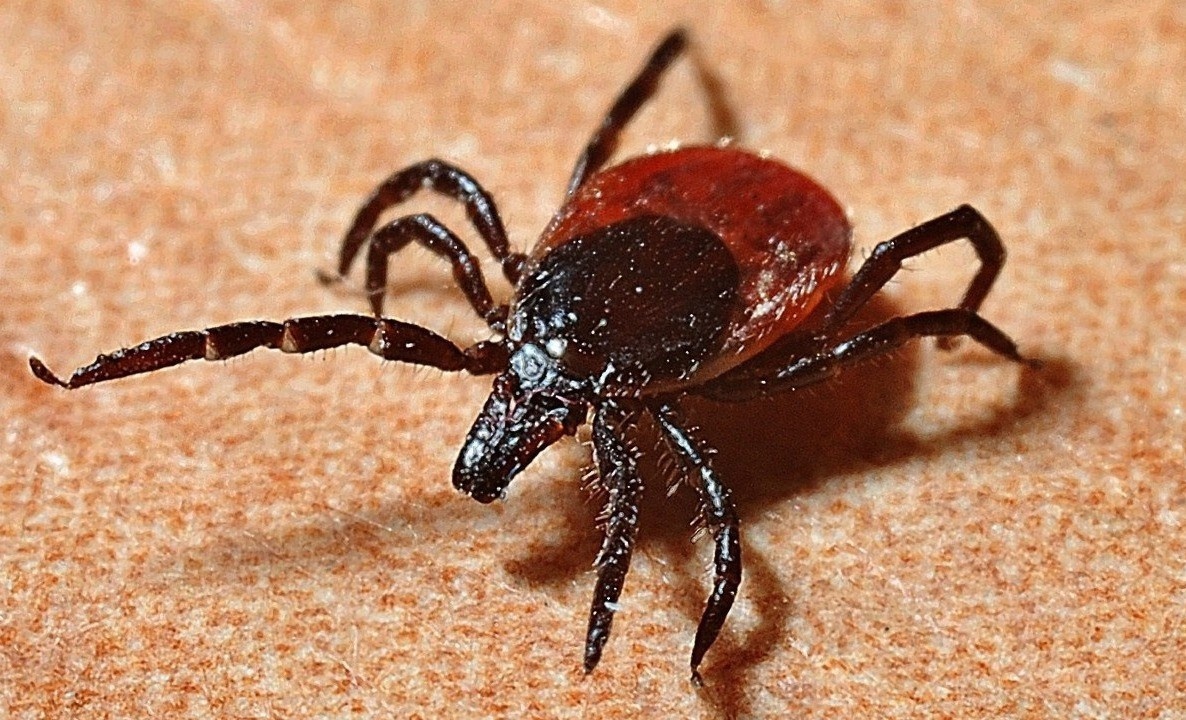
A close up of a tick

Photo: Toronto Region Conservation Authority

What are ticks?

Ticks are arachnids, relatives of spiders, mites and scorpions. They don’t fly, move very slowly and feed off the blood of animals and humans. There are many different types of ticks, all of which are active when temperatures are above freezing.


Where are ticks found?

Ticks can be found almost everywhere in Ontario. They can be found low to the ground in tall grasses, bushes and wooded areas – even in your neighbourhood park.


Lyme Disease

Lyme disease is an illness caused by the Borrelia burgdorferi bacteria that is spread through the bite of an infected black-legged tick (also called a deer tick). Not all black-legged ticks carry Lyme disease and only infected ones can transmit the disease.


Infected blacklegged ticks need to be attached for at least 24 hours in order to transmit the bacteria that causes Lyme disease.


There’s No Reason to Stay Indoors

Lyme disease is preventable and simple precautions are the best defence. If you do get bitten by a tick, antibiotics are available at most pharmacies to stop any potential infections before they happen. 


Just like we protect ourselves against the sun, we also need to take precautions to avoid tick bites. As a bonus, the way we protect ourselves from ticks also helps prevent mosquito bites and exposure to poison ivy.


Here are a few ways to protect yourself from ticks:

  • Wear light-coloured clothing. It makes ticks easier to spot
  • Wear closed footwear and socks and a long-sleeved shirt tucked into long pants. Tuck your pants into your socks
  • Use a tick repellent that has DEET or icaridin on your clothes and exposed skin (be sure to follow the manufacturer’s directions)
  • Search your clothes and body for ticks at least once a day, paying special attention to areas such as the groin, belly button, armpits, scalp, and behind ears and knees.
  • Use a mirror to check the back of your body or have someone else check for you. Don’t forget to tick check children in your care
  • Place outdoor clothing through the dryer cycle for 60 minutes on high heat before washing to kill any ticks that may be hard to see.

While ticks are present in our area, there is no need to be afraid to explore nature. By taking some simple precautions, some of which you are likely doing already, tick bites and lyme disease can be easily avoided. 


Visit Simcoe Muskoka District Health Unit for more info

Garrison at Fort Willow

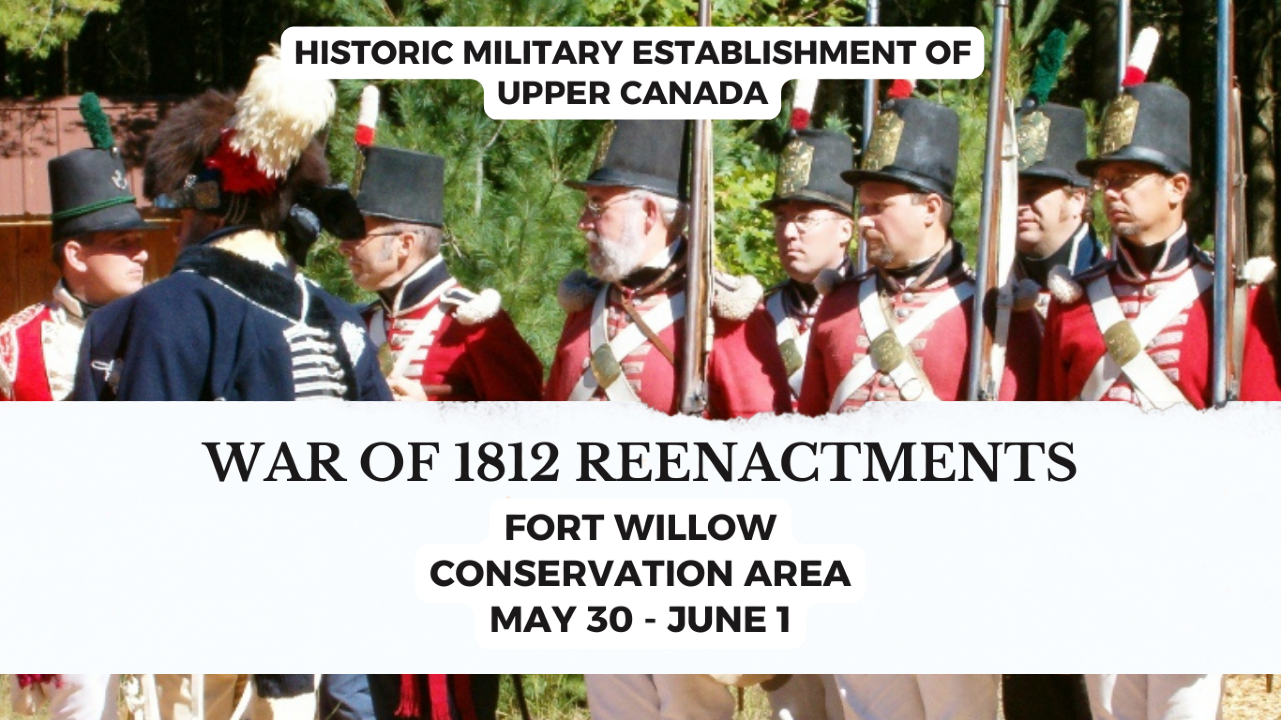
Garrison at Fort Willow poster

Join the Historic Military Establishment of Upper Canada for a weekend garrison at Historic Fort Willow. The public is invited to explore the fort in a historical context and witness what life was like for soldiers during the War of 1812.


Throughout the weekend, visitors can observe live demonstrations including:

  • Musket and cannon firing drills
  • War of 1812 military drills
  • Historical fashion presentations

In addition, on Friday, May 30, students from St. Joseph’s Catholic High School will be on-site conducting an archaeological dig. Visitors are welcome to stop by, observe the excavation, and chat with students about their discoveries.


This event is free to attend and open to all ages. Please note that regular NVCA parking fees apply.


Don’t miss this unique opportunity to see history come to life at one of the region’s most treasured heritage sites!


For more information or inquiries, email [email protected]

Check out the event page for more information!

Thank you for planting trees with us

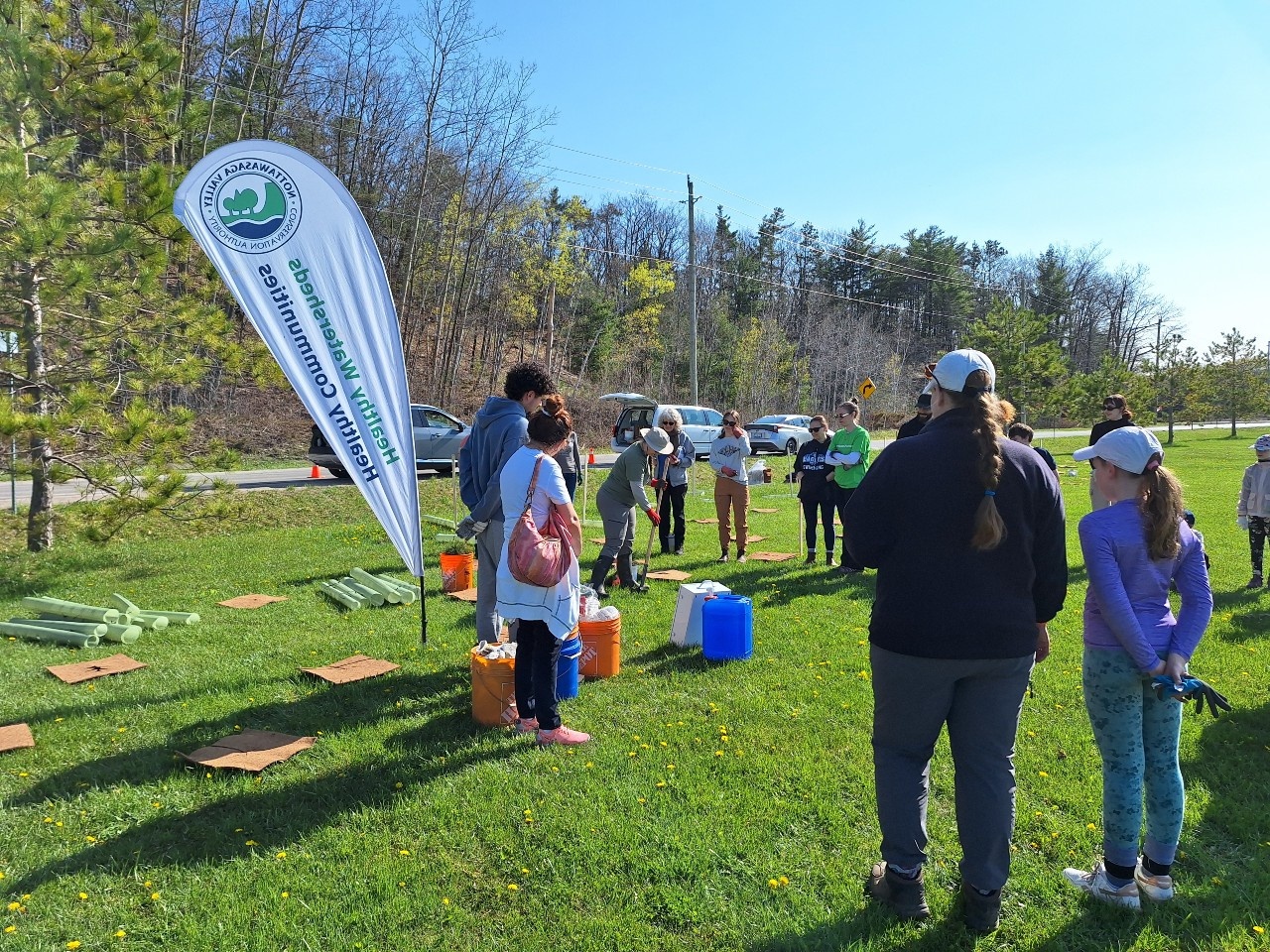
NVCA volunteer event

Over the last month and a half, volunteers helped us plant over 7500 native trees and shrubs across the Nottawasaga Watershed! These trees will help enhance fish and wildlife habitat, provide shade for our streams, reduce erosion, and capture carbon!


Our stewardship team is getting ready to implement our river and wetland restoration projects and to tackle invasive Phragmites along the Georgian Bay shoreline, and we need your help to do it!


Look out for more volunteer opportunities coming up in June, July and August!

Learn more about volunteering with NVCA

Spring sampling is fully under way!

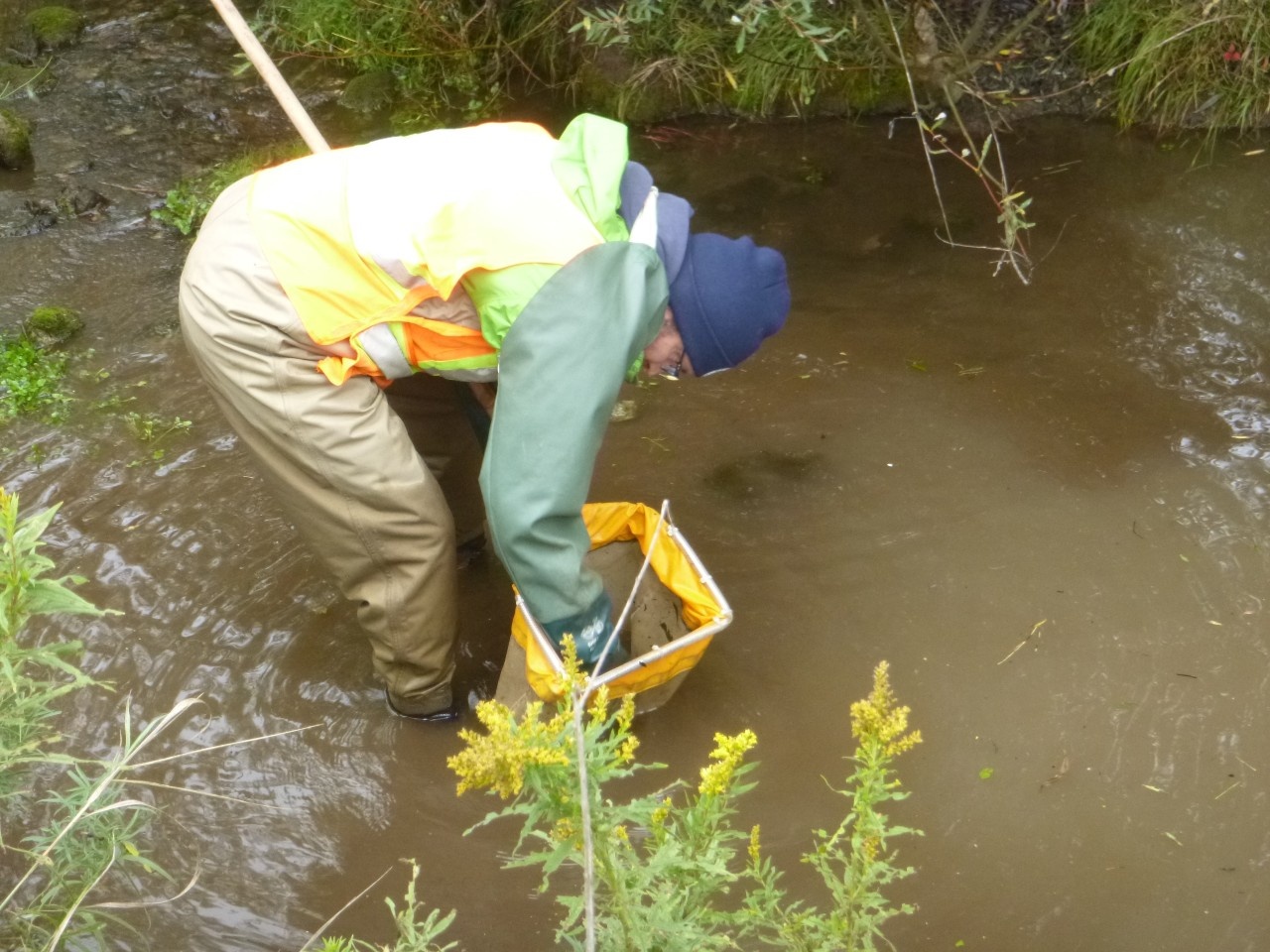
A member of the Watershed Science team collecting an aquatic bugs sample

NVCA’s Watershed Science team is out and about in rivers, streams collecting water and aquatic insect samples to learn about the health of the Nottawasaga Watershed!


Water chemistry

NVCA analyzes the chemical composition of the rivers and streams to provide a snapshot of stream health conditions and to allow us to identify potential causes of poor stream health.


There are 18 sites that are sampled across the watershed up to 10 times each year. Some streams and rivers have been sampled for over 50 years!


By maintaining long-term chemistry stations, NVCA can evaluate how well the watershed management efforts are working. Through water chemistry monitoring, we can analyze the water temperature, oxygen levels, nutrient and metal concentrations in the rivers. 


Benthic Macroinvertebrates

Aquatic bugs, or benthic macroinvertebrates (BMI), are small animals that can be seen with the naked eye and have no backbone. These animals include worms, snails, mussels, leeches, crayfish, as well as the immature life stages of insects that live among the stones, logs, sediments and aquatic plants on the bottom of streams, rivers and lakes.


BMI can live in streams for up to three years. During this time, they are exposed to the full range of water quality conditions in the stream. By monitoring them, NVCA can evaluate stream health over time. Some species require excellent water quality to survive, while others are quite tolerant of pollution. By looking at the different species at a site, we can identify whether stream health has been good, fair or poor over their lifespan. Since BMI are at the bottom of the food chain, their community responds quickly to changes in stream health conditions.

Learn more about our watershed monitoring program
If you would like to unsubscribe, please click here.