͏‌ ͏‌ ͏‌ ͏‌ ͏‌ ͏‌ ͏‌ ͏‌ ͏‌ ͏‌ ͏‌ ͏‌ ͏‌ ͏‌ ͏‌ ͏‌ ͏‌ ͏‌ ͏‌ ͏‌ ͏‌ ͏‌ ͏‌ ͏‌ ͏‌ ͏‌ ͏‌ ͏‌ ͏‌ ͏‌ ͏‌ ͏‌ ͏‌ ͏‌ ͏‌ ͏‌ ͏‌ ͏‌ ͏‌ ͏‌ ͏‌ ͏‌ ͏‌ ͏‌ ͏‌ ͏‌ ͏‌ ͏‌ ͏‌ ͏‌ ͏‌ ͏‌ ͏‌ ͏‌ ͏‌ ͏‌ ͏‌ ͏‌ ͏‌ ͏‌ ͏‌ ͏‌ ͏‌ ͏‌ ͏‌ ͏‌ ͏‌ ͏‌ ͏‌ ͏‌ ͏‌ ͏‌ ͏‌ ͏‌ ͏‌ ͏‌ 
Is this email not displaying correctly? View it in your browser.
Environmental Law Foundation Logo

ELF Newsletter

Summer 2025

Image description
Image description
Image description
Image description

Unselfing


We often like to roll into ELF’s quarterly newsletter with a bit of poetry but for this summer solstice edition, we thought we would turn to a female author and sometimes philosopher and her musings on the natural world and our place in it. “Unselfing”, a term, an ethical consciousness, first coined by Iris Murdoch in her 1970 philosophical work, The Soverignty of Good, is a state of aspiration for our times. When I first learnt of it I immediately thought of unselfing as having parallels with Rights of Nature, where the more than human perspective accelerates us to less human-centric decisions. So what is unselfing…? The words, “there is nothing now but kestrel”, famously illustrate that transcendental moment where one unconsciously loses the self in the natural world and the ego falls away.


Iris Murdoch put it like this:

“I am looking out of my window in an anxious and resentful state of mind, oblivious of my surroundings, brooding perhaps on some damage done to my prestige. Then suddenly I observe a hovering kestrel. In a moment everything is altered. The brooding self with its hurt vanity has disappeared. There is nothing now but kestrel. And when I return to thinking of the other matter it seems less important. And of course this is something which we may also do deliberately: give attention to nature in order to clear our minds of selfish care.”


I sometimes think that if our politicians spent more time unselfing they might come up with better legislation for nature. As many of you will be aware, nature groups and conservation charities, and importantly the Office of Environmental Protection, are raising alarm bells as the Planning and Infrastructure Bill makes its way through Parliament. The OEP has called the bill regressive, stating that the Government’s proposals 'would have the effect of reducing the level of environmental protection provided for by existing environmental law. As drafted, the provisions are a regression.'


The main concerns are with Part 3 of the Bill. This allows developers to pay into a central fund to be orchestrated by Natural England for nature restoration, thus allowing developers to side-step legislation such as the Habitats Regulations. As many of you know, these regulations are an absolute cornerstone, protecting the UK’s most important natural and national treasures. Having endured months of negative nature rhetoric, it was ironic that the government’s own impact assessment on the P&IB concluded that there was no evidence that nature protections were a hinderance to development. This is all pretty depressing stuff and if you haven’t written to your MP demanding amendments to the bill, you may wish to do so.


In the meantime, in my hometown the swifts are back. Only this year the swift box that we erected at the back of the house 3 years ago, has now been occupied for the first time by a pair of those wonderous birds. There is nothing now but swifts.


Emma Montlake,

ELF Co-Director
Case updates

Image description


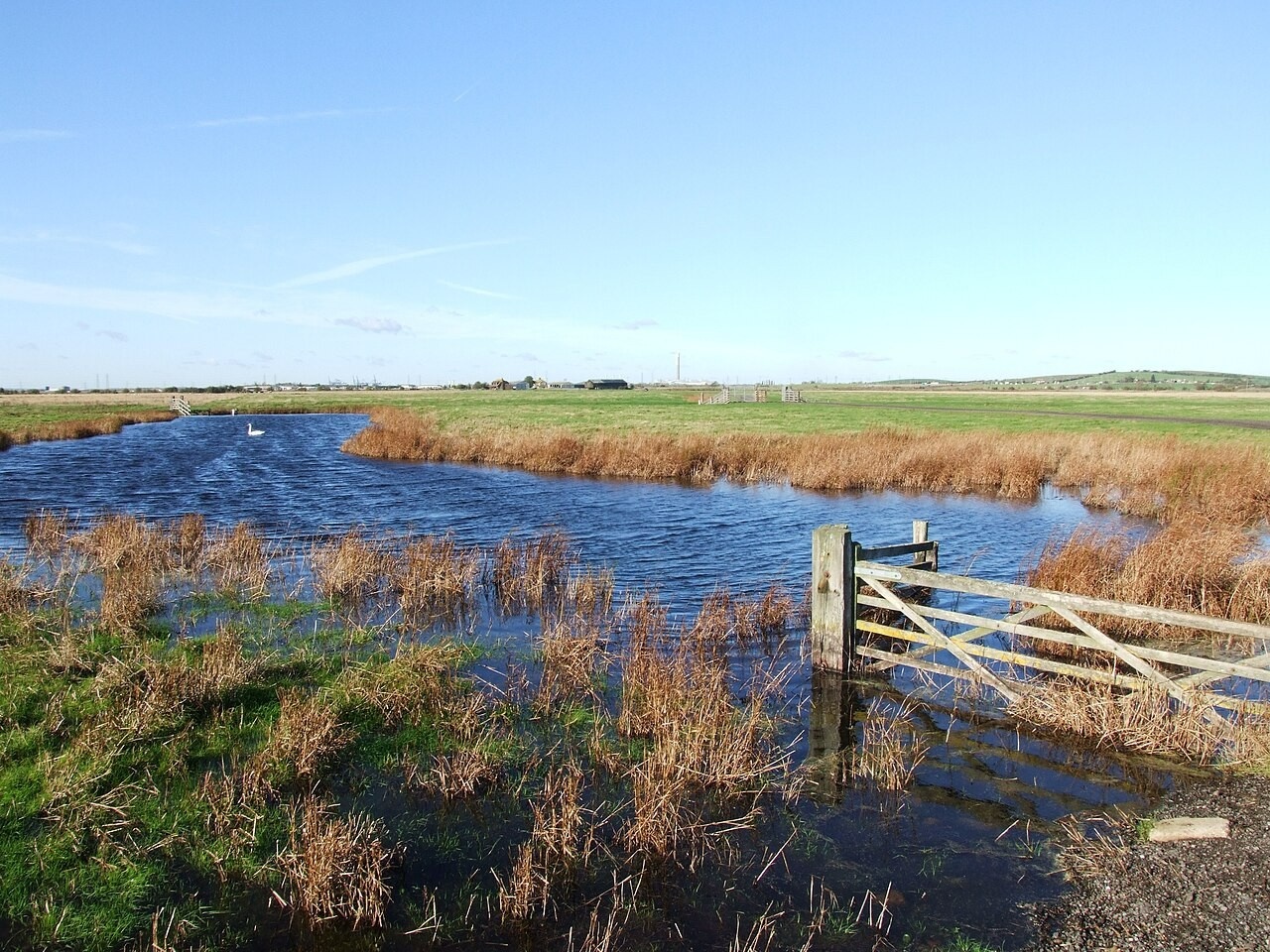
Saving Minster Marshes: A Last Stand for Wildlife in Pegwell Bay


ELF has been assisting a local action group named Save Minster Marshes to object to a Development Consent Order for a project named Sea Link, a large project for new energy infrastructure between Suffolk and Kent. The group are concerned with the protection of the Minster Marshes, a nature reserve at Pegwell Bay, in the Stour Valley as part of this proposal is to build a converter station and substation on this reserve.


Read more →

Image description


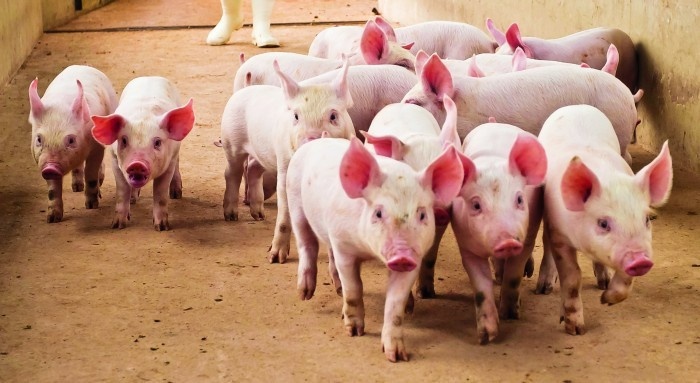
Toxic Truths: Exposing the Harm from Cherry Tree Farm


ELF has been helping objectors to respond to the ongoing issues around breaches of planning permission and retrospective planning applications submitted by Cranswick, a supermarket food supplier, for the Cherry Tree Farm site in Stow Bedon, Norfolk.


This is a case that came to ELF back in 2023, where our enquirer complained of unregulated air and ammonia pollution emanating from the farm for a Mega Pig Finishing Farm, which has been having a severe impact on her family’s health. There have been descriptions of respiratory issues, skin conditions, nose bleeds, headaches, extreme odour pollution and more.


Read more →

Image description


A Win for Caernarfon: Community Stops Polluting Plant Proposals


ELF assisted the community group ‘Caernarfon Lân’, a group of residents from Caernarfon in Wales, who were concerned about two separate applications, both submitted by the same developer. The applications were for a gas-fired ‘peaking plant’ and a concrete crushing and processing plant; they were being proposed on an old quarry site, which is surrounded by housing estates, a hospital, playing fields, a public park with children’s playground and ancient woodland alongside the Seiont River.


Read more →

ELF Member Spotlight

Image description

Sioned Davies has gained a broad range of experience across planning and environmental law in both England and Wales. Sioned advises a wide range of clients including residential, commercial, energy, minerals and logistics developers, public bodies including the Welsh Ministers, and other interested parties.


Image description

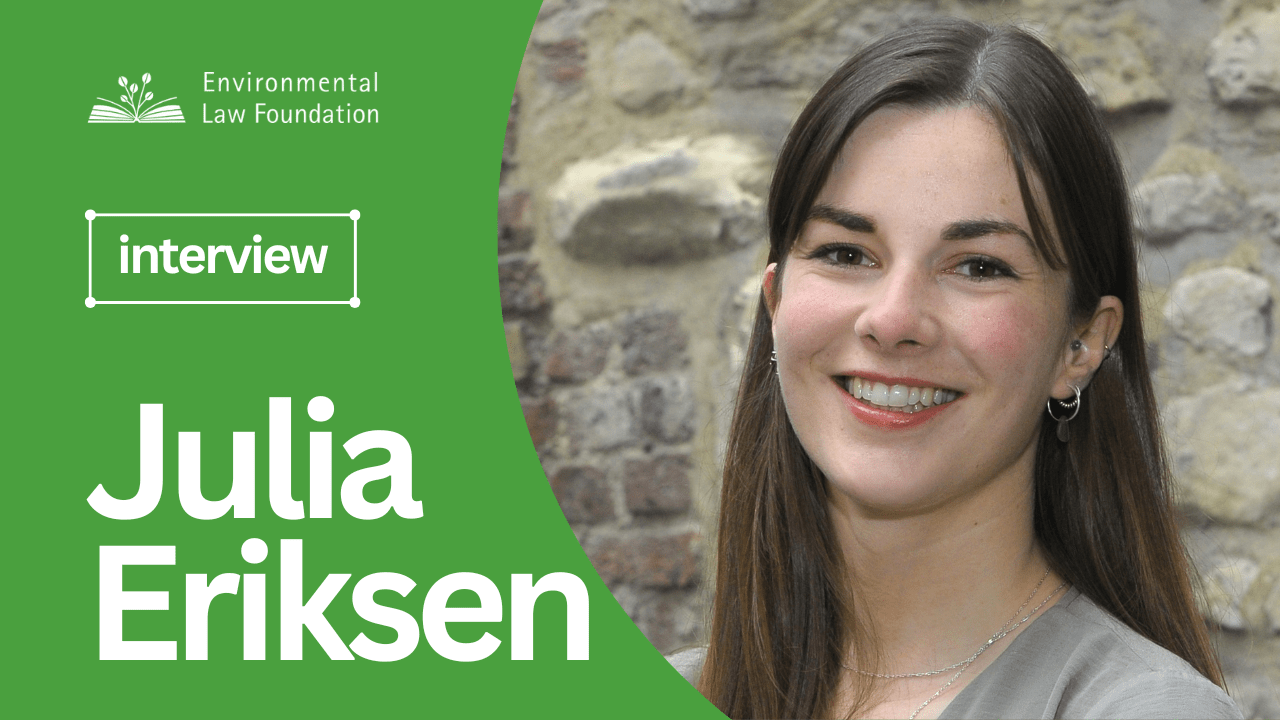
Julia Eriksen is a solicitor in Leigh Day’s environment team who specialises in public environmental and planning law. Previously, Julia held legal roles at ELF and Friends of the Earth.

Image description

Jessica Allen is a barrister at No5 Barristers’ Chambers whose practice encompasses all areas of environmental law, including public law, planning, property, tort, and EU/international law. Previously, Jessica held legal and policy roles at ELF, WWF, and ClientEarth. 

ELF university network and Young ELF

Image description

Reports have now been received from most of the fourteen universities participating in this year’s ELF policy clinic research project and these are being reviewed. Taking the learning from the ongoing Rights of Rivers work in Lewes, we are researching legal and policy opportunities to introduce Rights of Nature at a local authority level across all the UK regions. It is planned that the results of the research will provide a platform for further work involving the universities.

Books you might like

Image description

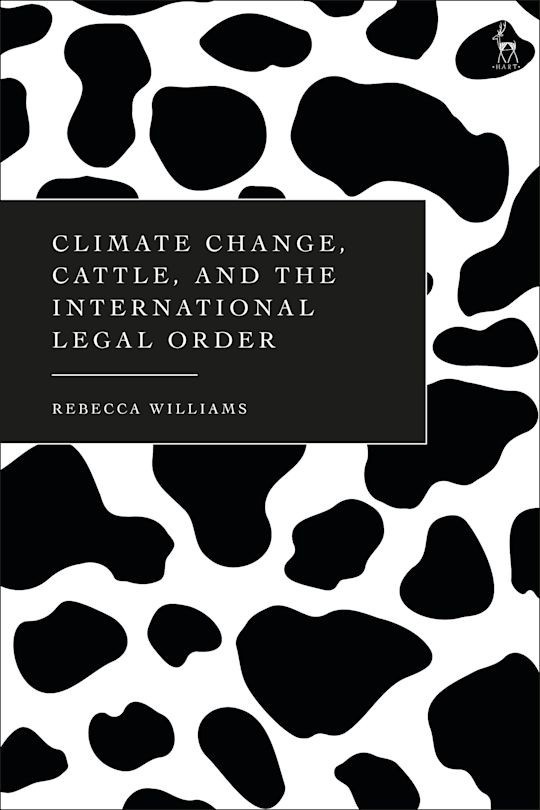
Climate Change, Cattle, and the International Legal Order

Rebecca Williams


Livestock food systems need to be rapidly rethought to tackle the global climate crisis. This book examines how climate concerns for the livestock sector are governed in international law and addresses the sector’s inclusion or (lack thereof) across the international governance of climate change, agriculture, forests and trade.


The book is a key text for all those with an interest in the legal governance of climate change and agriculture, adding to the timely debate of the future sustainability on the global diet and the relationship between affluence and climate change.


Rebecca Williams is Lecturer in Environmental Law at Glasgow University, UK.


Order online at www.bloomsbury.com – use the code GLR BD8 to get 20% off!

Image description

A Barrister for the Earth

Monica Feria-Tinta


Can a planet have legal rights? Could it be defended in a court of law? How do we redefine a 'right to life'?

A revolution is taking place. Around the world, ordinary people are turning to courts, seeking justice for environmental wrongs. At the forefront of this movement, pioneering barrister Monica Feria-Tinta advocates not only for people, but also for those who have no voice: for rivers, forests and endangered species.

In A Barrister for the Earth, Feria-Tinta takes us behind the scenes of ten real cases as she argues against the destruction of cloud forests and for sovereign states to account for inaction. Each of these are landmarks signalling that we are at an important juncture, in which the law can be a powerful tool for the lasting change.


Environmental Law Foundation

[email protected]

The ELF Telephone Helpline 0330 123 0169 is kindly supported by the Client Services Team at Irwin Mitchell Solicitors

Copyright © 2025 Environmental Law Foundation, All rights reserved


Environmental Law Foundation Logo
If you would like to unsubscribe, please click here.